Blue fluid leaking from under car? Here’s what to do
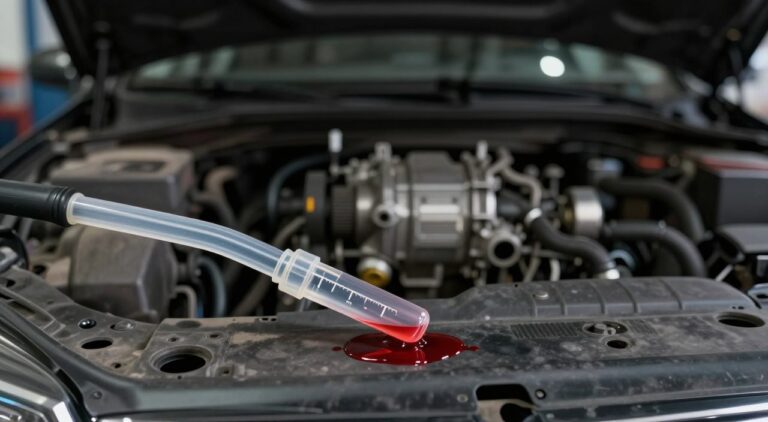
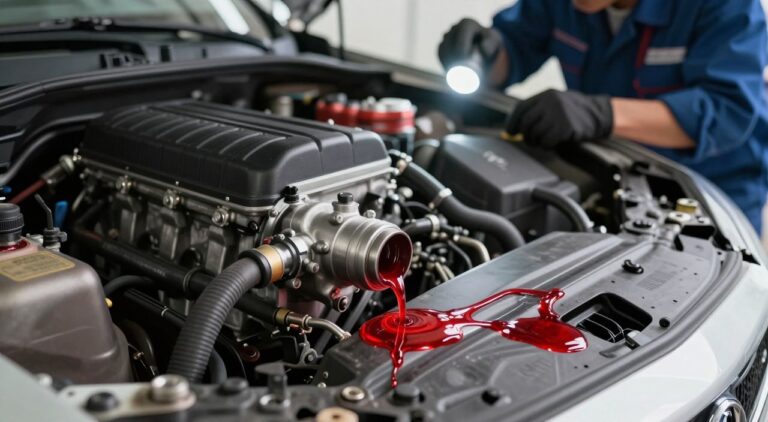
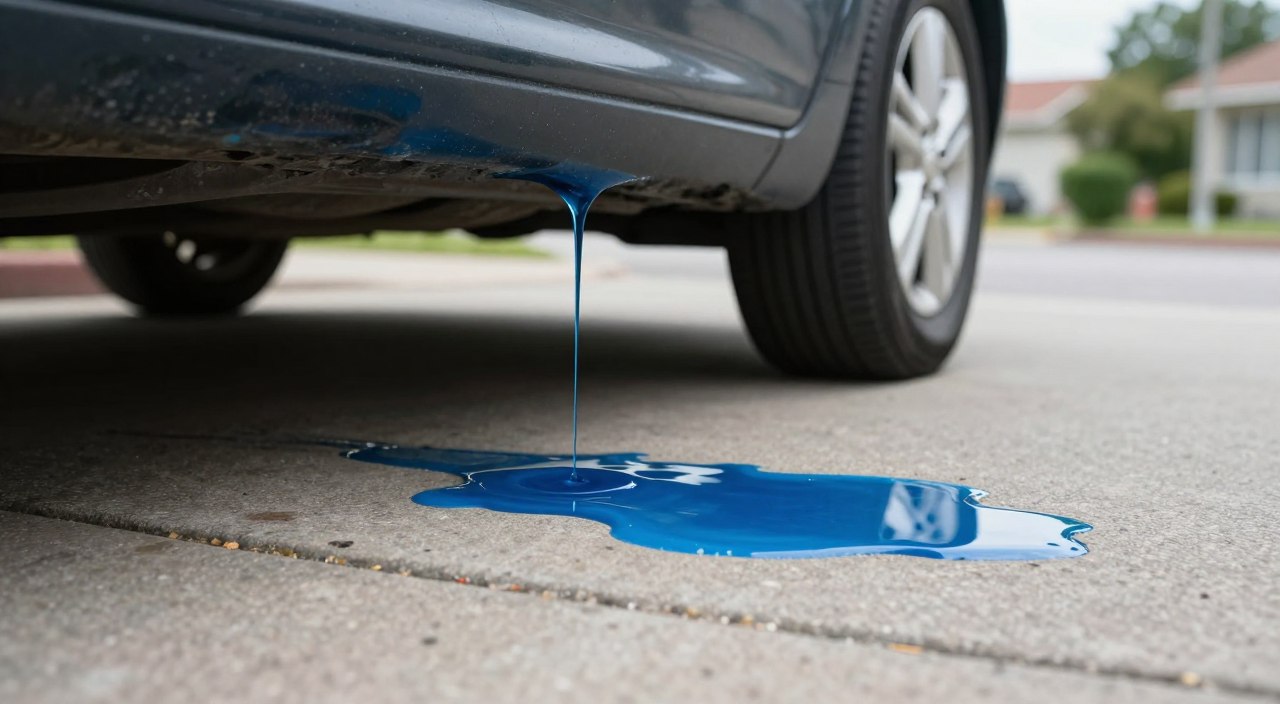
Finding a mysterious puddle on your driveway can be scary. If you see a blue fluid leaking from under car, act fast. This fluid usually means your cooling system needs help.
Not paying attention to these signs can cause big problems. Your engine might overheat or break down. Always see these puddles as a critical warning sign, not just a small issue.
Being careful can help avoid expensive fixes. Keeping up with car maintenance tips is key. It keeps your car running well and safe.
Key Takeaways
- Identify the color and consistency of the puddle to determine the source.
- Coolant leaks often indicate a failing hose, radiator, or water pump.
- Never ignore signs of moisture beneath your vehicle, as engine health is at stake.
- Regular inspections help you catch small drips before they become major problems.
- Consult a professional mechanic if you cannot locate the exact origin of the spill.
Understanding why you have blue fluid leaking from under car
Seeing a bright blue puddle under your car can be scary. But, staying calm helps you think clearly. Learning to identify car leaks early can save you money and avoid breakdowns.

Identifying the color and consistency of automotive fluids
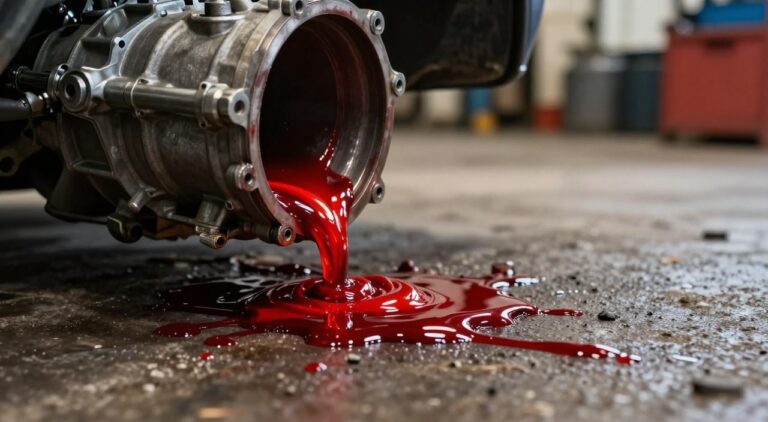
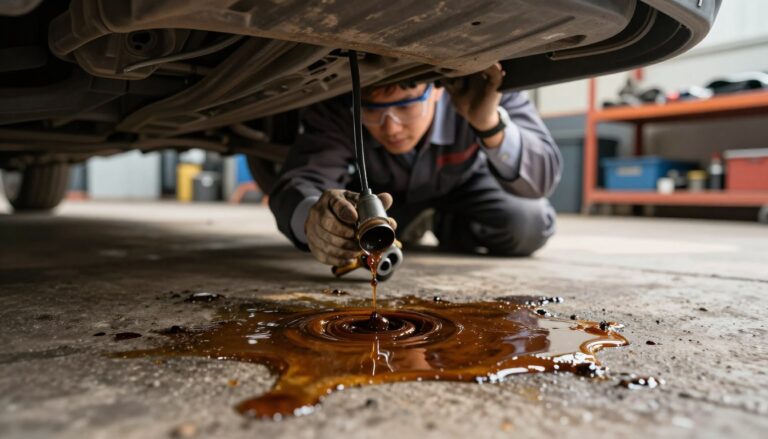
To figure out what’s leaking, look at the color and texture of the liquid. Different automotive fluid colors tell you about your car’s health. Here’s a table to help you know what’s under your car.
| Fluid Type | Typical Color | Consistency |
|---|---|---|
| Engine Coolant | Blue, Green, or Pink | Thin, sweet-smelling |
| Motor Oil | Amber to Black | Slippery, viscous |
| Transmission Fluid | Red | Oily, thin |
Why coolant is typically dyed blue
Engine makers add special dyes to coolant to spot leaks easily. Blue is often used because it’s easy to see against the engine’s dark parts. This makes finding leaks simple.
These dyes also help tell different coolants apart. Using the wrong coolant can harm your radiator. Always check your car’s manual to use the right coolant.
The risks of ignoring a coolant leak
Never ignore an engine coolant leak. It’s crucial for keeping your engine cool. If it leaks too much, your engine can overheat.
- Rapid engine overheating during normal operation.
- Permanent warping of the cylinder head or engine block.
- Total engine failure requiring a complete replacement.
Ignoring a small drip today often leads to a catastrophic mechanical failure tomorrow.
Act fast when you see a leak. Fixing it early stops your engine from getting too hot. This prevents serious damage.
Safety precautions before inspecting your vehicle
When you do your own DIY car repair, your safety is key. Always make sure your workspace is ready. This helps avoid accidents and keeps you safe.

Allowing the engine to cool down completely
Don’t open the radiator cap or touch the cooling system when it’s hot. The fluid inside is very hot and under pressure. Waiting for the engine to cool down completely is very important to avoid burns.
Personal protective equipment for handling chemicals
Automotive fluids can hurt your skin and eyes. Always wear gloves and safety glasses when working with them. This is a key part of staying safe while fixing your car.
Working on a level surface and using jack stands
Stability is very important for safe DIY car repair. Always park on a flat, level surface. If you need to lift the car, use sturdy jack stands to keep it stable.
Locating the source of the leak
Finding a mysterious puddle under your car needs patience and a careful plan. Start with easy ways to identify car leaks first. This saves time and avoids replacing parts too soon.
Using the cardboard test to pinpoint the drip
The cardboard test is a great way to find a leak. Just put a big piece of cardboard under your car’s engine bay overnight or when it’s parked.
When you come back, the cardboard will show where the leak is. This makes it easier to find the leak’s source.

Visual inspection of the engine bay
After finding a general area, look closely at the engine bay. Look for wet spots or white, crusty stuff. These are signs of a radiator leak symptoms.
These spots are dried coolant that didn’t evaporate. Finding them means you’re close to fixing the problem.
Checking the radiator and cooling fan shroud
Next, check the coolant reservoir and the cooling fan shroud. These parts can crack from heat over time.
Also, check the hose connections nearby. Tightening a clamp or replacing a cracked reservoir might fix it. You might not need a mechanic.
Common culprits for coolant leaks
When I look under the hood, I often find that specific components are the primary suspects for an engine coolant leak. The cooling system is strong but faces extreme temperatures. This can damage various parts. Finding these weak points early can stop more damage to your engine.

Degraded rubber radiator hoses
Rubber hoses face intense heat and pressure. Over time, they become brittle and crack. When I see these signs, I know it’s time for a radiator hose replacement.
Corroded radiator fins and tanks
The radiator can also cause trouble as a vehicle ages. Road salt and debris can corrode it. If you see a sweet smell or residue, it’s time for a check.
Failing water pump gaskets
The water pump is key to your cooling system. It needs a gasket to stay sealed. If the gasket fails, you’ll see fluid dripping. Ignoring this can cause your engine to overheat.
Loose or damaged hose clamps
Fixing leaks can be simple. Often, it’s just a matter of tightening loose hose clamps. Checking these connections is a first step in my process.
Step by step diagnostic process
If your car is losing fluid but you can’t find where, these steps will help. Sometimes, just looking isn’t enough. I use special methods to find hidden leaks that could hurt your engine.
Performing a pressure test on the cooling system
The best way to find leaks is with a cooling system pressure test. This tool goes on your radiator and lets you pressurize it. It finds tiny cracks that are hard to see.
After pressurizing, I look for drips on hoses and connections. If the pressure drops, you know there’s a leak. This is key for catching a slow water pump failure before it’s too late.
Inspecting the heater core and interior floorboards
If your car smells sweet, it might be the heater core. Coolant leaks can make your floorboards wet. I check for dampness or grease to see if it’s coming from inside.
If the floor is wet, your windshield might fog up. This means the heater core is leaking. Fixing it fast is critical to avoid damage to your car’s inside.
Checking the thermostat housing for seepage
I also check the thermostat housing for leaks. Over time, the gasket can wear out, causing fluid loss. I look for dried coolant around the bolts and housing base.
Even a small leak can get worse when it’s hot. If you see crusty deposits, it’s time to replace the gasket or housing. Keeping this area clean helps your cooling system work right.
Tools required for basic coolant system repairs
Having the right tools is key when fixing a leak. It makes the job easier and less stressful. Before you start, get your workspace ready and collect all the tools you need.
Essential hand tools for hose replacement
For a leaking hose, you’ll need some important car repair tools. You’ll need flat-head and Phillips screwdrivers to loosen hose clamps. Also, hose pliers are great for removing tight connections. Don’t forget a clean drain pan to catch spills.
«The quality of your repair is often determined by the quality of your preparation. Always ensure your tools are clean and appropriate for the specific task at hand.»
Selecting the correct coolant for your specific vehicle
Choosing the right coolant mixture is very important. Check your owner’s manual to find out what coolant your car needs. The wrong coolant can damage your engine, so don’t guess.
| Tool Name | Primary Function | Importance |
|---|---|---|
| Hose Pliers | Removing clamps | High |
| Drain Pan | Fluid collection | Essential |
| Spill-free Funnel | System refilling | High |
Using a spill-free funnel for system refilling
Refilling the radiator can be messy. Use a spill-free funnel to keep things clean. It also helps remove air pockets in the system. With the right tools and coolant, your repair will look professional.
Performing a basic hose replacement
I find fixing a cooling system repair at home is rewarding. Replacing a radiator hose is easy for most car owners. It keeps the engine safe from heat damage.
Draining the cooling system safely
First, I make sure the engine is cold. This prevents burns from hot fluid. I put a big, clean pan under the radiator drain.
Used coolant is toxic to pets and wildlife. I put it in a sealed container for safe disposal.
Removing the old hose and cleaning the connection points
After draining, I remove the hose clamps with pliers. If the hose is stuck, I twist it gently. This avoids damage to the radiator.
Then, I clean the surface for the new hose. I do this to ensure a tight seal:
- I use a wire brush or scraper to remove old residue or corrosion.
- I wipe the area clean with a cloth for a smooth surface.
- I check for cracks or deep pits that could prevent a seal.
Installing the new hose and securing clamps
When putting on the new hose, I make sure it fits well. I place the clamps a quarter-inch from the end for security.
For a successful DIY car repair, clamps must be tightened right. They should be tight enough to prevent leaks but not too tight. Doing this radiator hose replacement right gives me peace of mind.
Refilling and bleeding the cooling system
Replacing a hose is just the start. Now, you must refill and prime the system. This step keeps your engine cool and the repair strong. Take your time to avoid mistakes that could cause more problems.
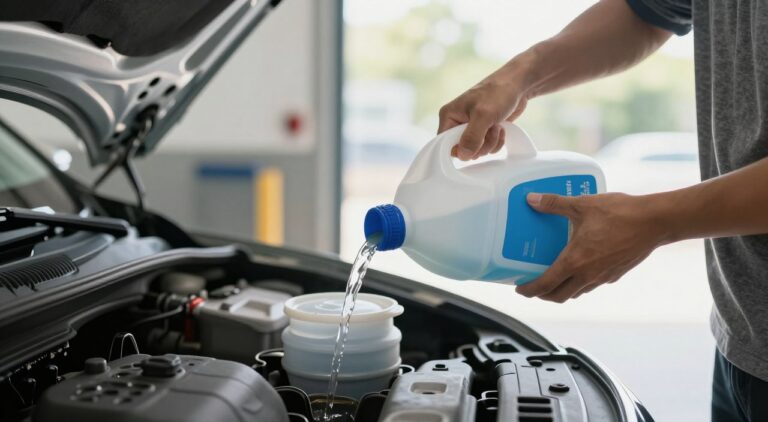
Adding the correct coolant mixture
First, check the coolant mixture your car needs. Slowly add the fluid to the coolant reservoir to avoid spills. Fill it to the «cold fill» line. The liquid will expand when the engine gets hot.
Removing trapped air pockets from the system
Getting rid of cooling system air is crucial. Air pockets can cause the engine to overheat. Run the engine without the radiator cap to let air out.
Watch the fluid level as the engine warms up. It might drop when the thermostat opens. Add more fluid as needed to keep the system full. Consistency is key to remove all air.
Monitoring the temperature gauge during the test drive
After filling and closing the cap, take a short drive. Watch the temperature gauge closely. If it stays in the normal range, your repair worked.
If the gauge goes up, stop and let it cool. This might mean air is still in the system or there’s a leak. Staying vigilant during this check is important.
When to seek professional mechanical assistance
Knowing when to stop is as important as knowing how to start. While I encourage you to do basic car care, some problems need a professional mechanic. Knowing your limits helps keep your engine safe.
Signs of a blown head gasket
A head gasket failure is a big problem that needs quick help from a shop. Look for signs that show the seal between your engine and cylinder head is broken.
- Thick white smoke coming from your exhaust pipe.
- Engine oil looks milky or frothy on the dipstick.
- Constant bubbling in the radiator or coolant reservoir.
- Unexplained loss of coolant without any leaks outside.
Dealing with internal engine leaks
Internal leaks are hard to find without special tools. If your engine keeps overheating, it might be an internal problem. Ignoring these signs can cause big engine damage, which is very costly.
Complex repairs involving timing belt removal
Some jobs are too risky or hard for a home garage. Timing belt repairs need special tools and knowledge. Trying this without the right training can harm your engine. It’s safer to let a professional mechanic do these jobs to avoid head gasket failure or engine overheating.
Conclusion
Seeing blue fluid on your driveway is a big warning. It means your cooling system might be in trouble. Keeping your car well-maintained helps it run smoothly and prevents big problems.
Always watch how your car is doing when you drive. Small leaks can turn into big problems if you don’t fix them soon. Checking your car often is the best way to stay safe.
Using these car care tips can save you money. You’ll know how to spot and fix cooling system issues easily. This way, you can avoid costly repairs and keep your car running well.
Always check your fluids and temperature gauges when you drive. Taking good care of your car means you’ll have a safe and reliable ride for a long time. Use these tips to avoid car troubles and feel safe driving.
FAQ
Why is there blue fluid leaking from under my car?
Blue fluid is often engine coolant or antifreeze. It’s colored blue by makers like BMW and Subaru. It might also be windshield washer fluid. But, its smell and feel usually mean it’s from the cooling system.I always check the coolant levels right away. This keeps your engine from getting too hot.
Can I drive my vehicle if I notice a blue puddle on the driveway?
No, don’t drive with a coolant leak. Even a small leak can cause the engine to overheat fast. This might damage the head gasket or cylinder head.If you must move the car, do it for a short distance. Watch the temperature gauge closely.
How can I safely identify the exact source of the leak myself?
Place cardboard under the engine bay overnight to find the leak. Check the radiator, water pump, and thermostat housing when it’s cool.For hard-to-find leaks, use a cooling system pressure tester. It helps find leaks without running the engine.
What tools will I need to perform a radiator hose replacement?
You’ll need jack stands, pliers, and a drain pan. A Lisle Spill-Free Funnel is also key. It helps remove air pockets during refill.
Does it matter which brand or type of blue coolant I use for refilling?
Yes, use the coolant type your car needs. Check the owner’s manual for the right one. Mixing the wrong fluids can damage your radiator.
When should I stop the DIY repair and call a professional mechanic?
If you see white smoke or your oil looks milky, stop. These signs mean serious engine problems. A pro mechanic is needed for these issues.
How do I properly «bleed» the system after a repair?
Fill the system with a 50/50 water and coolant mix. Run the engine with the heater on and cap off. This lets air bubbles out.Keep doing this until the cooling fan turns on. This means the system is working right.