Can You Mix Green and Orange Coolant Safely Explained
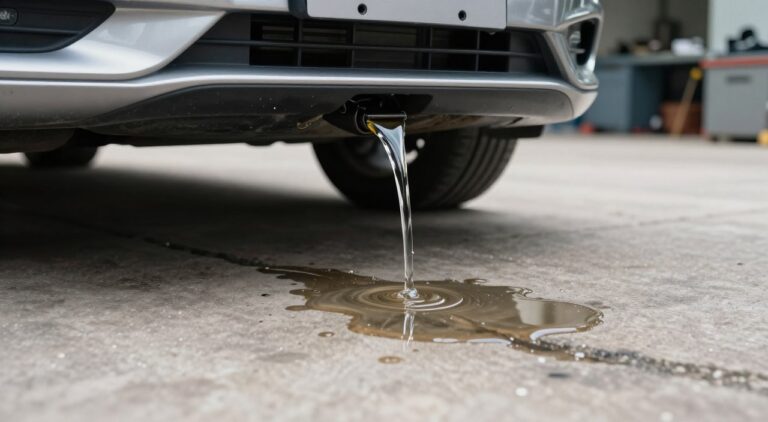
Many car owners wonder what to do when their coolant runs low. They often ask, can you mix green and orange coolant safely? They think color is enough to mix these important fluids.
Mixing these liquids can cause severe chemical reactions. These reactions can hurt your car’s cooling system and performance. Using just color instead of the maker’s advice can damage your radiator.
In this guide, I’ll explain the science behind these coolants. My aim is to keep your car running well by following the right care steps. Knowing your engine’s chemistry helps avoid expensive fixes later.
Understanding the Chemistry of Automotive Coolants
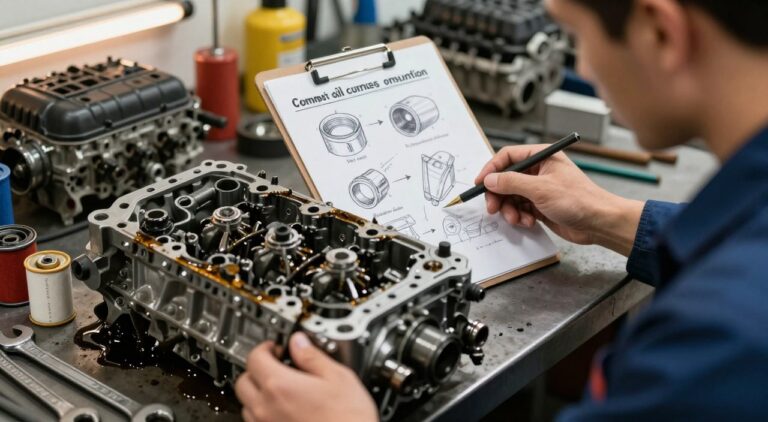
Before we talk about mixing fluids, let’s learn about engine coolants. Many people think all fluids are the same. But, they are not. Knowing the difference can help avoid damage to your car’s cooling system.
Inorganic Additive Technology (IAT) Explained
For a long time, coolants called Inorganic Additive Technology (IAT) were the norm. They use silicates and phosphates to protect metal. This stops rust and corrosion in the radiator and engine.
But, these additives wear out over time. So, IAT coolants need to be changed every two years. They work well for older cars but might not be best for newer ones with aluminum parts.
Organic Acid Technology (OAT) and Hybrid Formulations
Newer cars often use Organic Acid Technology (OAT) or hybrids. These coolants use organic acids for better protection. They last longer than IAT coolants, up to five years or more.
Hybrid Organic Acid Technology (HOAT) is a mix of both. It has a little silicate in an organic acid base. This gives quick protection and lasts a long time. Knowing your car’s coolant type is key.

Why Color Is Not Always a Reliable Indicator
Many think color tells you what coolant is. But, coolant color compatibility is a myth. Dyes can be different, even if colors look the same.
To keep your car safe, don’t just look at color. Check the chemical base, manufacturer approval, and service life. This way, you avoid problems.
- Chemical Base: Make sure it’s IAT, OAT, or HOAT.
- Manufacturer Approval: Check your owner’s manual for standards.
- Service Life: Know how long the coolant should last.
Don’t trust color alone. It can lead to issues. Focus on the technical details for a healthy cooling system.
Can you mix green and orange coolant safely
Can you mix green and orange coolant safely? The short answer is almost always no. Mixing coolant types can cause a chemical disaster in your engine.

The Dangers of Chemical Incompatibility
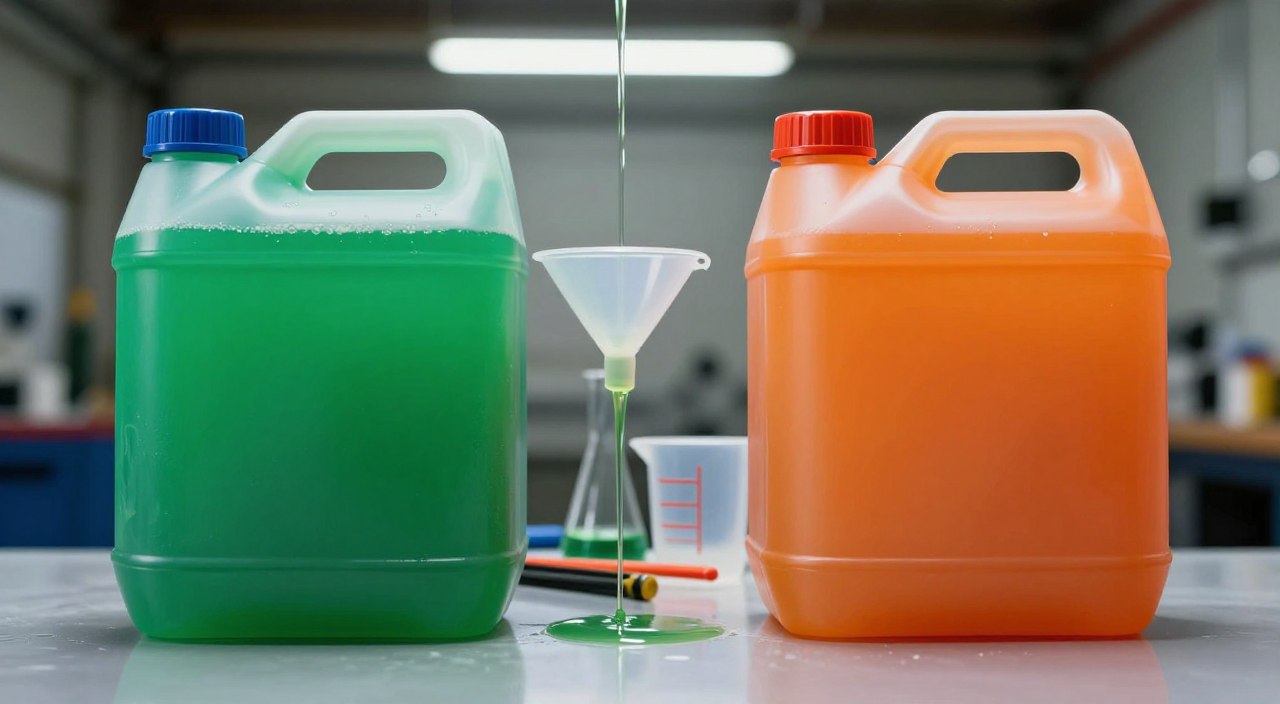
Green coolant uses Inorganic Additive Technology (IAT). Orange coolant uses Organic Acid Technology (OAT). Mixing them forces two incompatible chemicals to mix.
«The integrity of an engine’s cooling system depends entirely on the chemical stability of the fluid. Introducing foreign additives creates a reactive environment that compromises the protective barrier of every metal surface.»
Automotive Engineering Standards Board
What Happens When You Blend Different Additive Packages
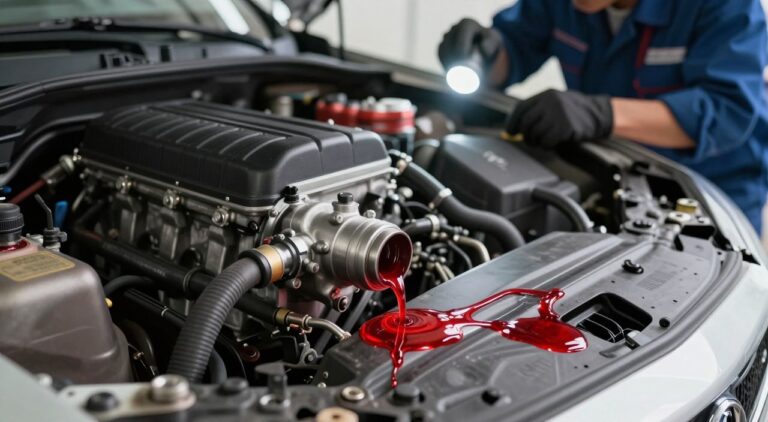
When these additives meet, they form solid particles. These particles can block your radiator and heater core. Mixing coolants turns your system into a chemistry experiment gone wrong.
The following table shows the risks of mixing fluids:
| Condition | Immediate Risk | Long-Term Consequence |
|---|---|---|
| Mixing IAT and OAT | Chemical Precipitation | System-wide Corrosion |
| Fluid Contamination | Reduced Heat Transfer | Water Pump Failure |
| Incorrect Dilution | Boiling Point Drop | Engine Overheating |
Short-Term vs Long-Term Effects on Engine Components
Mixing coolants leads to cooling problems right away. Your engine temperature might go up during heavy traffic. This is because sludge blocks heat absorption.
Long-term, the damage gets worse. Acid can damage gaskets, seals, and aluminum parts. Avoid mixing to protect your engine and save money on repairs.
Identifying Your Vehicle’s Specific Coolant Requirements
Finding the right fluid for your car is essential. It keeps your engine cool and stops damage. Knowing what your engine needs helps keep it running well.
Understanding coolant interchangeability is key. It keeps you from using the wrong chemicals.

Consulting Your Owner’s Manual for Specifications
Your owner’s manual is very important. It tells you what maintenance your car needs. Look in the technical section for the right antifreeze type.
This section will tell you what chemicals your cooling system needs.
Checking the Radiator Cap and Reservoir Markings
Look for labels on your car’s parts. The radiator cap and expansion tank often have clues. They tell you what fluid your car needs.
Understanding Manufacturer-Specific Standards
Many cars need special fluids. These are different from common ones. Using the right fluids keeps your engine safe.
Choosing manufacturer-approved fluids is best. It prevents damage and keeps your car running well. Always check that the fluid meets your car’s codes.
Step-by-Step Guide to Checking Your Current Coolant
Always check your coolant before adding more. This step prevents mixing coolants that can harm your engine. Mixing coolants can cause chemical reactions that damage your engine.
Safety Precautions Before Opening the Cooling System
Make sure the engine is cool before you start. Opening a hot radiator cap can spray out hot steam. This can cause serious burns.
Always wait at least an hour after driving. This lets the system pressure go down safely.

Visual Inspection of Coolant Color and Clarity
After the system is cool, take a small sample of the fluid. Look for signs of contamination like debris or oil streaks. If it’s murky or dark, you need a full flush, not just a top-off.
Using a Refractometer or Test Strips for Accuracy
Color alone isn’t enough to check coolant. I use a refractometer or test strips for a better check. These tools show the coolant’s freezing point and pH levels. They help keep your engine safe from corrosion and extreme temperatures.
How to Safely Flush and Replace Your Cooling System
If you mixed the wrong coolants, you need to flush your system. Combining green and orange coolant can harm your engine. It’s important to act fast to avoid damage.
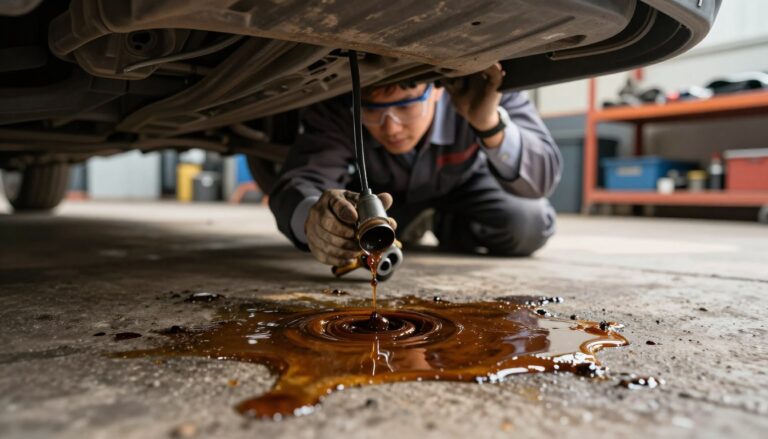
Draining the Old Coolant Safely
First, make sure the engine is cool. This prevents burns from hot fluid. Find the radiator drain plug or lower hose to start draining.
Always use a catch pan for the old fluid. It’s bad for pets and the environment.
- Wear protective gloves and safety glasses.
- Ensure your vehicle is parked on a level surface.
- Dispose of the old fluid at a certified recycling center.
Performing a Thorough System Flush with Distilled Water
Drain the system, then fill with distilled water. Run the engine for a few minutes. This circulates the water through the system.
Drain the water again and repeat until it’s clear. Using distilled water helps avoid mineral buildup.
This step makes sure the system is ready for new coolant.
Refilling with the Correct Manufacturer-Approved Fluid
Once clean, refill with the right fluid. Check your owner’s manual for the correct type. Never use a different fluid than recommended.
Bleeding Air Pockets from the Cooling System
The last step is to remove air from the system. Air can cause overheating. Run the engine without the radiator cap or use a special kit to remove air.
Watch the temperature gauge closely. Add more fluid if needed. This keeps your engine running well.
Risks of Mixing Incompatible Antifreeze Types
Many car owners have faced costly repairs because they mixed the wrong antifreeze. Mixing different types can cause a dangerous reaction in your engine. This can harm your cooling system a lot.
Corrosion and Scale Buildup in the Radiator
Your cooling system needs a special balance. Mixing green and orange antifreeze can upset this balance. This can cause corrosion and scale buildup in the radiator.
These deposits can block heat from leaving the fluid. This makes your engine run too hot. It can even break your cooling system.
Potential Damage to Water Pumps and Heater Cores
Bad coolant can damage your car’s parts. The water pump is often hurt the most. It needs special lubricants found in the coolant.
The heater core also gets clogged. This stops your car from heating up in cold weather. You might feel very cold inside.
«The longevity of an engine is directly tied to the health of its cooling system. Using the wrong fluid chemistry is a shortcut to expensive, preventable repairs.»
Automotive Maintenance Expert
Gelling and Sludge Formation in the Engine Block
Mixing fluids can create thick, hard sludge. This sludge coats the engine and radiator. It’s hard to remove and needs special cleaning.
| Issue | Primary Cause | Resulting Damage |
|---|---|---|
| Sludge Formation | Chemical Incompatibility | Blocked Passages |
| Accelerated Corrosion | Additive Breakdown | Radiator Leaks |
| Pump Failure | Loss of Lubrication | Overheating |
This sludge traps heat in the engine. If not fixed, it can cause serious damage. This can lead to expensive repairs like warped cylinder heads or blown head gaskets.
Best Practices for Maintaining Cooling System Health
Keeping your cooling system healthy is more than just avoiding mixing different-colored coolants. A good maintenance plan is key. It keeps your engine at the right temperature. This way, you avoid sudden breakdowns.
Establishing a Regular Coolant Service Interval
Every car maker tells you when to change the coolant. The chemicals that protect your engine wear out. Not following these times can cause hidden damage.
Check your car’s manual for coolant change times. It might be every 30,000 or 50,000 miles. Keeping up with this saves you from costly repairs later.
Monitoring Coolant Levels in the Expansion Tank
Look at your coolant reservoir every month. This tank shows the coolant level without opening the radiator cap. A drop in level means you have a leak.
Make sure the engine is cool before checking the levels. If you need to add coolant, be careful not to mix colors. This can harm your engine.
Inspecting Hoses and Clamps for Signs of Wear
Your cooling system has rubber hoses that carry coolant. These hoses face a lot of heat and pressure. They can get brittle or crack over time. Check them during every oil change.
Watch for swelling, soft spots, or white buildup on clamps. These signs mean the hose or clamp might be failing. Replacing a worn hose is better than dealing with a burst later.
| Maintenance Task | Frequency | Key Benefit |
|---|---|---|
| Coolant Flush | Every 30k-50k miles | Prevents additive depletion |
| Level Check | Monthly | Detects early leaks |
| Hose Inspection | Every oil change | Avoids sudden ruptures |
| Clamp Tightening | Annually | Ensures system integrity |
Selecting the Right Coolant for Your Make and Model
Choosing the right coolant is very important. It keeps your engine at the right temperature. This helps avoid damage to your car’s parts.
Universal Coolants vs OEM-Specific Formulas
Universal coolants seem easy to use in any car. But, they might not fit your car’s needs perfectly. OEM-specific fluids are made just for your car.
Always use the coolant your car’s manual suggests. Universal coolants might not protect your car’s parts well. The wrong coolant can damage seals and gaskets.
The Importance of Using Distilled Water for Dilution
If you buy concentrated antifreeze, mix it with distilled water. Tap water has minerals that can harm your engine. These minerals can cause problems over time.
Mineral buildup can make your engine overheat. It also blocks water flow. Always use pure water to mix your coolant.
When to Choose Pre-Diluted vs Concentrated Antifreeze
Choosing between pre-diluted and concentrated coolant depends on what you need. Pre-diluted coolant is easy to use for quick changes. It’s perfect for simple needs.
Concentrated antifreeze is cheaper for a full flush. It lets you adjust the mix for your area. Always check the label for the right protection.
Conclusion
Mixing green and orange coolant harms your cooling system. It’s important to follow what car makers like Ford and Toyota say. This way, you avoid expensive fixes.
Keeping your engine fluid clean is key. Dirty fluid can cause sludge that blocks heat and damages parts. Always check if your coolant is okay before adding it.
Flushing your cooling system is the best way to keep your car running well. It stops problems that come from not taking care of it. Make sure to keep up with your car’s maintenance schedule.
Using the right coolant helps your car last longer. If you’re not sure about your coolant, talk to a local mechanic. Taking good care of your coolant keeps your engine cool and stops sudden breakdowns.
FAQ
Can you mix green and orange coolant in my vehicle’s radiator?
No, I don’t recommend it. Green coolant and orange coolant are different. Mixing them can make a thick, sticky mess. This mess can block your radiator and heater core.
Is coolant color compatibility a reliable way to choose a top-off fluid?
No, color is not enough. Many coolants are now yellow or clear but are not the same as old ones. Always check the bottle for the right coolant for your car.
What are the primary risks of mixing different-colored coolants?
Mixing coolants can harm your car’s protection. It can cause corrosion and damage your engine. This can lead to your car breaking down sooner.
Why is automotive coolant blending between IAT and OAT formulas so damaging?
IAT and OAT coolants work differently. Mixing them can cause problems. It can block your engine and make it overheat.
If I accidentally mixed them, how can I fix my cooling system?
If you mixed coolants, flush your system right away. Drain and flush with distilled water until it’s clear. Then, fill it with the right coolant to protect your car.
Can I use tap water to dilute my concentrated antifreeze?
No, tap water is not good. It has minerals that can harm your engine. Always use distilled water to mix coolants.
Are universal coolants truly safe for all makes and models?
Universal coolants are made to work with many cars. But, it’s best to use what your car maker suggests. This ensures your coolant lasts longer.