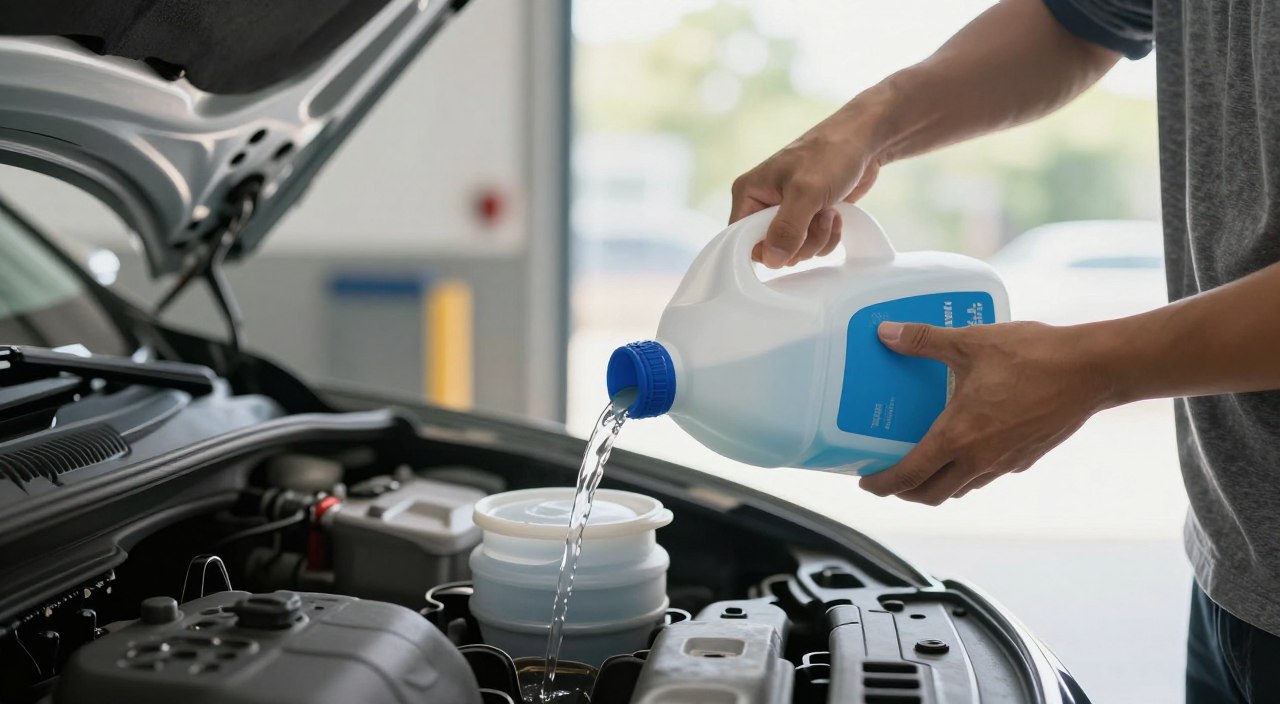
How to top up windshield washer fluid quickly and easily
Keeping your view clear is very important. When dirt blocks your view, you react slower. I’m here to help you keep your car in good shape without spending a lot.
Learning to refill your windshield washer is easy and saves you money. I’ll show you how to do it step by step. This way, your car will always be ready for the road.
You don’t need special tools or to be a mechanic to do this. Let’s start making sure your car is always ready to go.
Understanding the Importance of Clear Visibility
I think seeing the road clearly is key to safe driving. When it’s bad outside, your windshield is your shield. Keeping it clean is not just for looks; it’s a critical safety practice.

Why washer fluid is a safety essential
Washer fluid is more than just water. It’s made to clean tough dirt, salt, and oil from the road. Without it, your wipers just spread dirt, making it harder to see.
Having enough fluid means you can see clearly all year. It helps with bugs in summer and salt in winter. It’s a simple way to stay safe on the road.
The risks of driving with an empty reservoir
Driving with no fluid is risky. Without it, you lose your main way to see clearly. This can be very dangerous, for example:
- Emergency maneuvers: You might need to clear your view fast for a sudden stop or hazard.
- High-speed travel: A dirty windshield can get cloudy quickly at high speeds, making it hard to see.
- Inclement weather: Rain, snow, and sleet need constant cleaning to avoid glare and distortion.
I say checking your fluid regularly is important. It helps avoid scary situations while driving. A full reservoir gives you peace of mind and prepares you for anything the road brings.
Locating the Windshield Washer Fluid Reservoir
Finding the right spot for your cleaning solution is easy once you know what to look for. Always take a moment to get familiar with the engine bay before starting any maintenance. The windshield washer fluid reservoir is key to keeping your view clear.

Identifying the blue cap symbol
Most cars use a special visual language in the engine bay. Look for a bright blue cap that stands out. It’s usually marked with a symbol of a windshield and water.
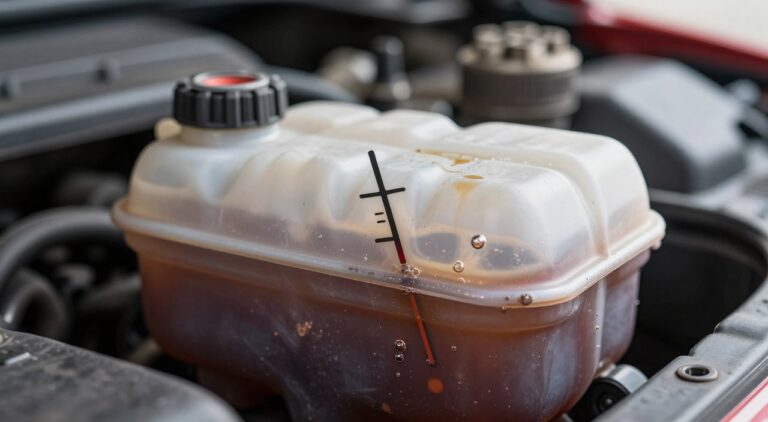
If it’s hard to find, look for a clear plastic container. This lets you see the fluid level without opening the cap. It’s a helpful feature for quick checks.
Common locations under the hood in popular vehicles
The windshield washer fluid location varies by car model. In many sedans and SUVs, it’s near the engine bay’s corners. It’s often near the windshield base.
Check near the passenger side fender, as many cars have it there.
Front-wheel drive vs rear-wheel drive layouts
The car’s layout affects where the reservoir is placed. Front-wheel drive cars often have more space near the front fenders. Rear-wheel drive cars may have it further back.
| Vehicle Layout | Typical Reservoir Position | Accessibility Level |
|---|---|---|
| Front-Wheel Drive | Near front passenger fender | High |
| Rear-Wheel Drive | Near the rear firewall | Moderate |
| Compact Hatchback | Driver side corner | High |
No matter your car type, the reservoir is easy to reach for quick refills. If you can’t find it, check your owner’s manual for a diagram specific to your car. Once you find it, keeping your visibility system up will be easy.
Gathering Necessary Supplies for the Task
Before I start, I get all the tools ready for a windshield washer fluid refill. The right tools make the job easy and clean. They also keep my engine bay clean and free from spills.

Choosing the right type of washer fluid
Choosing the right product is key for clear vision all year. I pick based on my car’s needs for the season.
Summer vs winter formulas
In summer, I use summer formulas to clean off bugs and grime. For cold weather, I switch to winter formulas. They keep the fluid from freezing in the reservoir or lines.
Concentrated vs pre-mixed solutions
I choose between pre-mixed or concentrated fluid. Pre-mixed is easy for a quick windshield washer fluid refill. Concentrated lets me mix it with water to the right strength.
Tools you might need for a spill-free pour
To avoid spills, I use a clean funnel. It helps me pour the liquid right into the reservoir, even in tight spots.
| Fluid Type | Best Use Case | Key Benefit |
|---|---|---|
| Summer Formula | Warm Weather | Bug Removal |
| Winter Formula | Freezing Temps | Anti-Freeze |
| Concentrate | Budget Friendly | Custom Dilution |
With these simple supplies, every windshield washer fluid refill is quick and safe. Being prepared keeps my view of the road clear.
Preparing Your Vehicle for Maintenance
Getting my car ready makes maintenance easier. I focus on safety for every task, like windshield washer fluid top off.
Safety precautions before opening the hood
I park in a bright spot before opening the hood. I also lock the parking brake. Safety is my top priority, so I have a cloth ready for spills.

Ensuring the engine is cool
I wait 20 minutes for the engine to cool down. Hot parts can burn me. This keeps me safe while I check the engine.
Finding a level surface for accurate measurement
I park on a flat surface for accurate windshield washer fluid levels. An uneven surface can give wrong readings. This way, I always know how much fluid I need for a windshield washer fluid top off.
| Safety Step | Action Required | Reasoning |
|---|---|---|
| Parking | Level surface | Accuracy |
| Engine | Cool down | Burn prevention |
| Environment | Well-lit area | Visibility |
| Preparation | Engage brake | Stability |
Step-by-Step Guide on How to top up windshield washer fluid
Learning how to top up windshield washer fluid is easy. It’s a skill every driver should know. It keeps you safe and your view clear while driving.
Opening the hood safely
First, find the hood release lever inside your car. It’s near the driver’s side floor. When you open it, go to the front of the car.
Find the secondary safety latch under the hood edge. Always lift the hood gently. Make sure it’s secure with the prop rod or hydraulic struts.
Locating and removing the reservoir cap
Look for a clear plastic container with a blue cap. It has a windshield icon. This is where you add windshield washer fluid.
Just twist the cap off or pull it up. Set it aside in a clean place.
Pouring the fluid without making a mess
Use a clean funnel to add windshield washer fluid. Pour it slowly and steadily. Take your time to avoid spills.
Checking the fluid levels correctly
Most tanks have a «Max» fill line. Stop pouring when you reach it. This keeps your system working right without leaks.
| Step | Action | Pro Tip |
|---|---|---|
| 1 | Release Hood | Use the interior lever |
| 2 | Open Reservoir | Look for the blue cap |
| 3 | Pour Fluid | Use a funnel for accuracy |
| 4 | Verify Level | Stop at the Max line |
Managing Windshield Washer Fluid Capacity
Drivers often forget about their car’s cleaning system design. Keeping the windshield washer fluid reservoir right is key. Knowing your car’s needs helps keep your view clear on every drive.
Understanding reservoir size variations
Every car has a special windshield washer fluid capacity. This depends on the tank size and shape made by the maker. Small cars have tiny tanks, while big SUVs have big ones for long trips.
Check your owner’s manual to find out how much fluid your car can hold. This stops you from buying too much fluid.
What happens if you overfill the reservoir
Filling the tank too full is not a good idea. It can spill and mess up your engine bay.
«Precision in maintenance is the hallmark of a vehicle that lasts.»
Too much fluid also puts too much pressure in the system. This can make the cap not seal right or cause leaks when driving.
Signs of a leaking washer fluid system
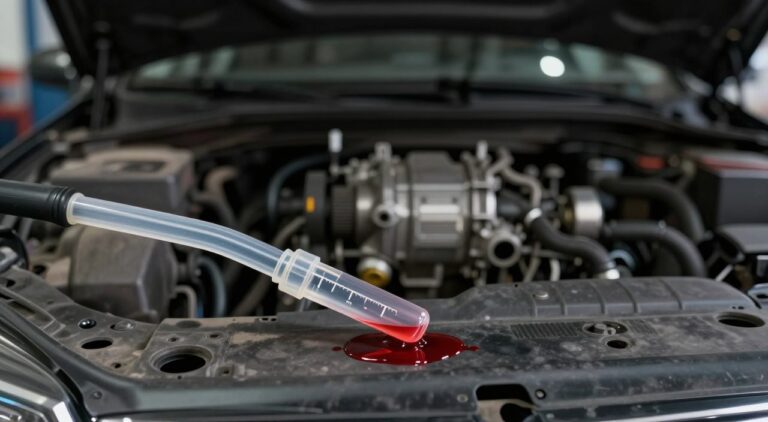
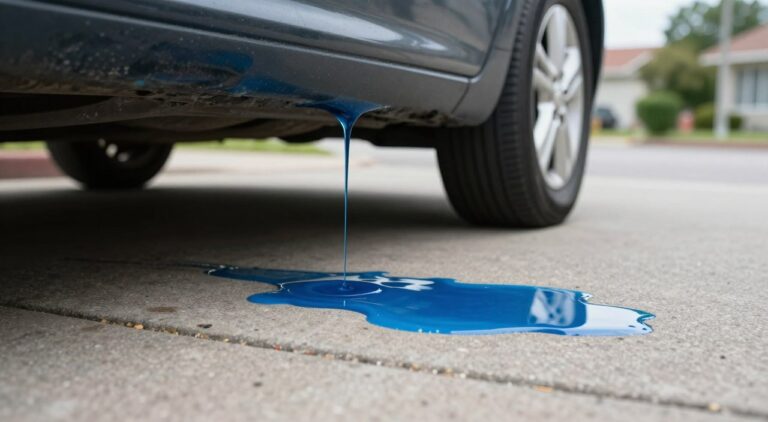
Watch for signs your system might be leaking. If you see persistent puddles under your car after filling, you might have a hose or tank crack.
A low fluid warning light on your dashboard is another sign. If it keeps coming on, even after filling, check your windshield washer fluid capacity and reservoir for leaks.
Troubleshooting Common Washer Fluid Issues
Even if your reservoir is full, your windshield might still be dry. You know where the windshield washer fluid location is. But, the system can fail due to blockages or electrical issues.
Dealing with clogged nozzles
Mineral deposits or road debris can block the nozzles. If the spray is weak or missing, use a thin sewing needle to clear it.
You can also use compressed air to remove tough particles. If the spray is still uneven, adjust the nozzle’s angle to hit the glass right.
Fixing a broken pump or fuse
If the pump doesn’t hum, it’s probably an electrical problem. First, check the fuse box in the engine bay or under the dashboard.
- Look in your owner’s manual for the washer pump fuse.
- Check the fuse for damage or dark spots.
- Replace it with a fuse of the same amperage rating.
When to seek professional mechanical help
Deeper problems like a burnt-out pump motor or a cracked hose might exist. If the system still doesn’t work, even with a full reservoir, call a mechanic.
Also, if you see fluid leaking, get help fast. A mechanic can find hidden leaks and fix hard-to-reach parts.
Seasonal Considerations for Washer Fluid Maintenance
My car care changes with the seasons. I focus on the right windshield washer fluid capacity. It’s not just about how much, but what kind for the weather.
Preparing for freezing temperatures
When winter comes, I drain old fluid. Water-based mixtures freeze and stop working in snowstorms.
I use winter fluid with methanol or antifreeze. It stays liquid even when it’s very cold. This keeps your view clear.
Preventing fluid lines from bursting
Ice in hoses can damage your car. It can cause cracks or breaks that cost a lot to fix.
Using winter fluid keeps your system safe. Consistency is key to avoid these problems in cold weather.
- Check your owner’s manual for the specific reservoir volume.
- Always use a fluid rated for at least -20°F in colder regions.
- Run the pump for a few seconds after filling to ensure the new fluid reaches the nozzles.
Switching to bug-removal formulas in summer
In warmer weather, I switch to summer formula. It’s made to clean bug splatter better than regular soap.
Summer formula makes cleaning easier. You need fewer sprays for a clean windshield. This keeps your glass clear and safe during bug season.
Best Practices for Windshield Washer Fluid Refill
Keeping a regular schedule is key to never running out of washer fluid. This way, your view stays clear, no matter the weather. It’s important to keep the Windshield washer fluid levels right.
How often should you check your levels
Check your reservoir every month to stay ahead. If it rains or snows a lot where you live, check it more. Adding this to your gas station stops is a smart move.
Keeping a spare bottle in your trunk
Always have a spare bottle of fluid in your trunk. It’s great for long trips or sudden storms. Having a Windshield washer fluid refill ready gives you peace of mind.
Environmental considerations for fluid disposal
When you’re done with a container, dispose of it right. Many places recycle plastic jugs when they’re empty. If the fluid is dirty, check with your local waste to find out how to throw it away.
By following these tips, you’ll get better at refilling your Windshield washer fluid. Regular care keeps your car in top shape and helps the planet. Always keep your vision clear and your supplies ready.
Common Mistakes to Avoid When Adding Windshield Washer Fluid
When you add windshield washer fluid, small mistakes can cause big problems. Many drivers damage their cars by taking shortcuts. Knowing these mistakes helps keep your car safe and your view clear.
Using water instead of proper fluid
It’s easy to think tap water is okay when you’re out. But it’s a big mistake. Water doesn’t clean road grime or bugs well. Plus, plain water can freeze in cold weather, damaging your lines or pump.
Mixing incompatible fluid types
Always use the same brand or type of fluid. Mixing different kinds can cause problems. It might make a gel-like substance that clogs your nozzles and breaks your washer pump, costing a lot to fix.
Ignoring the low fluid warning light
Many cars have a light that tells you when the fluid is low. Ignoring this light is risky, making you unsafe in storms or dusty weather. Always fill the reservoir fully when you’re adding windshield washer fluid to stay safe.
| Mistake | Potential Consequence | Recommended Action |
|---|---|---|
| Using Tap Water | Mineral buildup and freezing | Use dedicated washer fluid |
| Mixing Fluids | Chemical clogs and pump failure | Flush system before switching |
| Ignoring Warnings | Sudden loss of visibility | Refill immediately upon alert |
Advanced Tips for Maintaining Your Visibility System
To keep your view clear, take care of your car’s visibility system. Small steps can stop big problems in bad weather. Focus on parts that touch your windshield for the best results all year.
Cleaning your wiper blades regularly
Your wiper blades clear your view but are often ignored. Dirt and tiny bits build up on the rubber. I recommend cleaning them with a damp cloth every few weeks.
This keeps the rubber smooth, stopping streaks. Regular cleaning also makes your blades last longer and work better.
Treating your windshield with water repellents
Using a good water repellent makes driving in rain better. It makes water bead up and roll off fast. Improved visibility means you don’t need to wipe your windshield as much.
«Visibility is the most critical factor in safe driving; when you can see clearly, you can react faster to the unexpected.»
— Automotive Safety Expert
Inspecting hoses for cracks and wear
The hoses that carry fluid can wear out. Check them when you add fluid. Look for signs of damage or leaks.
Keeping your system airtight is key for good pressure. If spray weakens, a hose might be damaged. Fixing these parts early can prevent big problems later.
| Component | Maintenance Action | Frequency |
|---|---|---|
| Wiper Blades | Clean with damp cloth | Every 2-4 weeks |
| Windshield | Apply water repellent | Every 3 months |
| Fluid Hoses | Inspect for cracks | Every 6 months |
| Washer Nozzles | Clear debris | As needed |
Conclusion
Keeping a clear view while driving is very important. Small habits can make a big difference in your safety.
You now know how to check your car’s fluids well. Regular checks help avoid losing visibility in bad weather. This keeps your windshield and wiper blades working great.
Remember to always have Rain-X or Prestone in your car. It’s easy to forget, but it’s crucial for long trips. Taking care of these small things makes driving safer for everyone.
Share your car care tips with others. Your advice can help them keep their cars in good shape. I’m excited to hear about your car care successes.
FAQ
How can I identify the correct windshield washer fluid location under my hood?
Look for a clear plastic container with a bright blue or yellow cap. Most cars, like Ford and Toyota, have a symbol of a windshield and water spray on the cap. For a Tesla Model 3, the fluid is under the front hood maintenance panel.
What are my first steps when learning how to top up windshield washer fluid safely?
First, park on a level surface and make sure the engine is cool. Open the hood of your Chevrolet Silverado. Find the reservoir, remove the cap, and use a funnel to add the solution. This keeps spills away from hot engine parts.
How often should I check my windshield washer fluid levels to ensure safety?
Check the levels once a month or every time you fill up. A full reservoir is key. Running out can block your view, making it hard to drive safely until you refill.
Is there a standard windshield washer fluid capacity I should be aware of?
Most cars hold between 2.5 to 4 liters (0.6 to 1 gallon). When adding to my Honda CR-V, watch the «fill» line to avoid leaks.
Can I use plain tap water for a windshield washer fluid refill during the summer?
No, don’t use plain water. It lacks surfactants needed to clean debris. Use a dedicated cleaning solution to keep your lines clear and pump working well.
What is the difference between summer and winter formulas when adding windshield washer fluid?
Summer formulas clean bugs and grime. Winter formulas, like Rain-X De-Icer, prevent freezing. Switch to winter formula before the first frost to avoid line bursts.
What should I do if my windshield washer fluid top off doesn’t result in a spray?
If it’s full but doesn’t spray, check for clogged nozzles. Use a needle to clear wax or debris. If that fails, check the fuse box or hoses for leaks.
Should I buy pre-mixed or concentrated solutions for my windshield washer fluid reservoir?
I prefer pre-mixed solutions like Peak Performance for their ease of use. But, concentrates save space if you follow the dilution instructions carefully.