Power steering fluid leak symptoms every driver should know
Your car is a complex machine. It needs many systems to work together to keep you safe. The hydraulic assist system makes turning the wheel easy.
Knowing power steering fluid leak symptoms early is key. It helps keep your car healthy and your drives smooth.

Ignoring these signs can cause big problems. It can turn a simple fix into a big expense. By being proactive, you protect your car and avoid stress.
Checking your car often can save you a lot of money. Reliability starts with awareness. Knowing what your car needs helps you take care of it well.
Understanding the Role of Power Steering Fluid
Power steering fluid is like the lifeblood of your car’s steering. It makes every turn smooth and easy. Without it, turning the wheels would be hard and tiring.
It helps move the force from the steering wheel to the tires.

How the Hydraulic Steering System Functions
The hydraulic steering system uses pressurized fluid to help you steer. When you turn the wheel, a pump pushes fluid into the steering rack or gearbox.
This pressure makes it easy to turn the wheels. The system has several important parts working together:
- Power Steering Pump: Creates the hydraulic pressure.
- Steering Rack or Gearbox: Turns the fluid pressure into movement.
- High-Pressure Hoses: Carry the fluid through the system.
- Reservoir: Holds the fluid and lets it expand.
Why Fluid Levels Matter for Vehicle Safety
Keeping the right amount of fluid is very important for your safety. If the fluid level goes down, air can get in. This makes steering unpredictable and unresponsive.
Fluid levels keep the parts from wearing out too soon and getting too hot. If the pump doesn’t have enough fluid, it might break the steering rack.
A good system makes your car safe in emergencies. Always check the fluid levels to avoid bad steering.
Identifying Common Power Steering Fluid Leak Symptoms
Your car talks to you in small ways when something’s off. Knowing about power steering fluid leak symptoms helps fix small problems before they get big. Paying attention to how your car moves can help you find issues early.

Recognizing Unusual Steering Wheel Resistance
A common sign of power steering fluid leak is when steering gets harder. If your steering wheel feels heavy or slow, it’s a sign of trouble. This happens when the pump can’t get enough fluid to help you move.
When this happens, the wheel might feel jerky or hard to control. This makes driving harder, like when you’re trying to park or make sharp turns.
«A well-maintained steering system is the silent partner of every safe driver, ensuring precision when it matters most.»
Listening for Whining or Groaning Noises
When your power steering pump is low on fluid, it makes sounds. You might hear a whining or groaning sound that changes as you turn the wheel.
These sounds get louder when there’s less fluid. If you ignore them, the pump can get too hot and break, costing a lot to fix.
Observing Puddles Under Your Vehicle
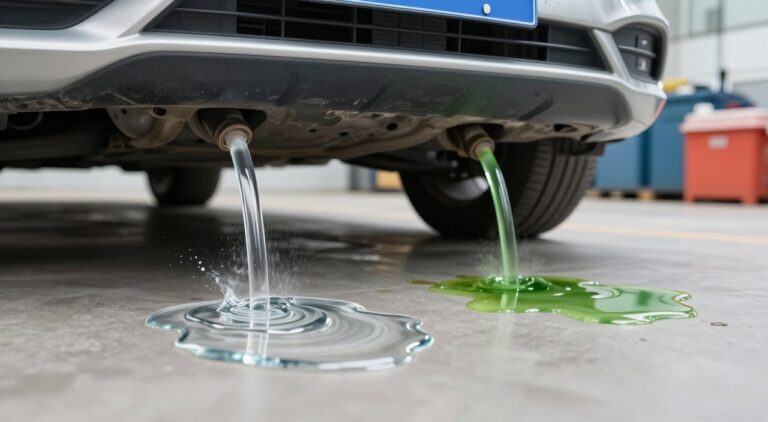
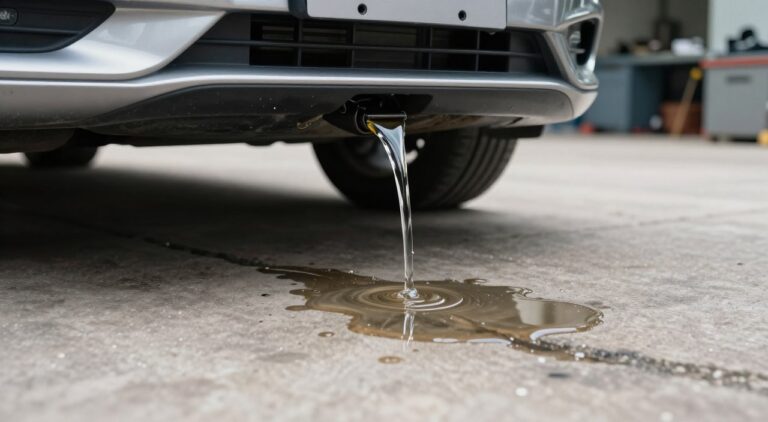
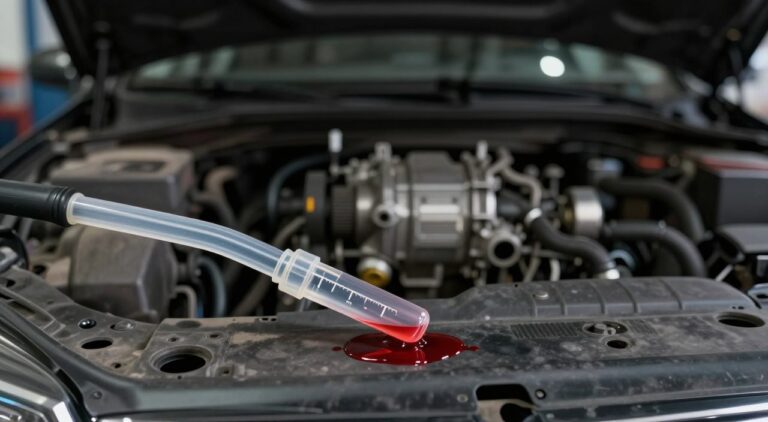
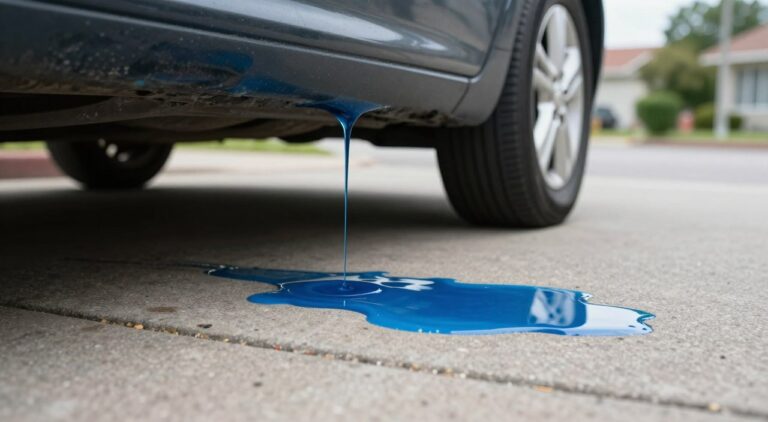
Seeing puddles is a clear sign of a leak. If you see small, oily spots on your garage floor or driveway, it’s time to check.
- Check for fluid that appears reddish or light brown in color.
- Look for wet spots directly under the front end of your vehicle.
- Monitor your parking spot regularly to see if the size of the puddle increases over time.
Finding these signs of power steering fluid leak early keeps you safe and in control. Always check quickly if you think your car is losing fluid.
Visual Inspection: Checking Fluid Color and Consistency
A quick look can tell you a lot about your steering system. By checking the reservoir often, you can spot a power steering fluid leak early. This simple check keeps your car safe and easy to steer.

Distinguishing Power Steering Fluid from Engine Oil
Many people mix up steering fluid and engine oil because they look dark when dirty. But, they are different. Engine oil is thicker and leaves a dark stain.
Power steering fluid is lighter, like clear to light pink or amber. If you see a thin, oily spot near the engine, it’s probably from the steering system.
What Healthy Fluid Looks Like
Good steering fluid is clear and smooth. It should look light pink or slightly amber. It should be free of particles or grit.
If your fluid looks like this, your system is probably okay. Regular checks help you notice any changes.
Signs of Contamination and Overheating
Fluid can break down from heat and friction. If it turns dark brown or black, it’s contaminated or overheated. A burnt smell means it’s too hot.
Look for metal shavings or dark sediment in the reservoir. These are big signs of power steering fluid leak damage. You need a mechanic to fix it fast.
| Condition | Color | Texture | Action Required |
|---|---|---|---|
| Healthy | Clear/Pink/Amber | Smooth/Thin | None |
| Contaminated | Dark Brown | Gritty | Flush System |
| Overheated | Black/Burnt | Thick/Viscous | Repair/Inspect |
Sensory Clues: Detecting the Power Steering Fluid Leak Smell
A sudden, acrid scent in your vents means trouble. Your nose can spot problems before dashboard lights do. Spotting a power steering fluid leak smell early can prevent big repairs.

Identifying the Burnt or Chemical Odor
Power steering fluid smells sharp and burnt. It leaks onto hot parts like the exhaust manifold. This makes a strong smell.
Notice the smell? It’s different from burning oil or coolant. Oil smells thick and heavy, coolant sweet. But power steering fluid smells sharp and acrid, appearing when you turn the wheel a lot.
Why the Smell Intensifies Near the Engine Bay
The smell gets stronger when you open the hood. The engine bay traps vapors. Heat from the engine makes leaked fluid evaporate fast.
Always be careful when checking for smells. Make sure the engine is off and cool before looking. A strong smell means you need help fast.
Step-by-Step Guide: How to Check for a Power Steering Fluid Leak
If you think there’s a problem, knowing how to check for power steering fluid leak symptoms is key. Regular checks help find small issues early. This keeps your car running well and safe.
Locating the Power Steering Reservoir
First, open your hood and find the power steering reservoir. It’s a small, clear plastic container near the engine. Look for a cap with a steering wheel icon or «Power Steering» written on it.
Using the Dipstick or Sight Glass Correctly
Most reservoirs have a dipstick or a clear sight glass. Always make sure the engine is cool before checking the fluid. If the fluid is low, you might have a leak.
Inspecting Hoses and Connections for Seepage
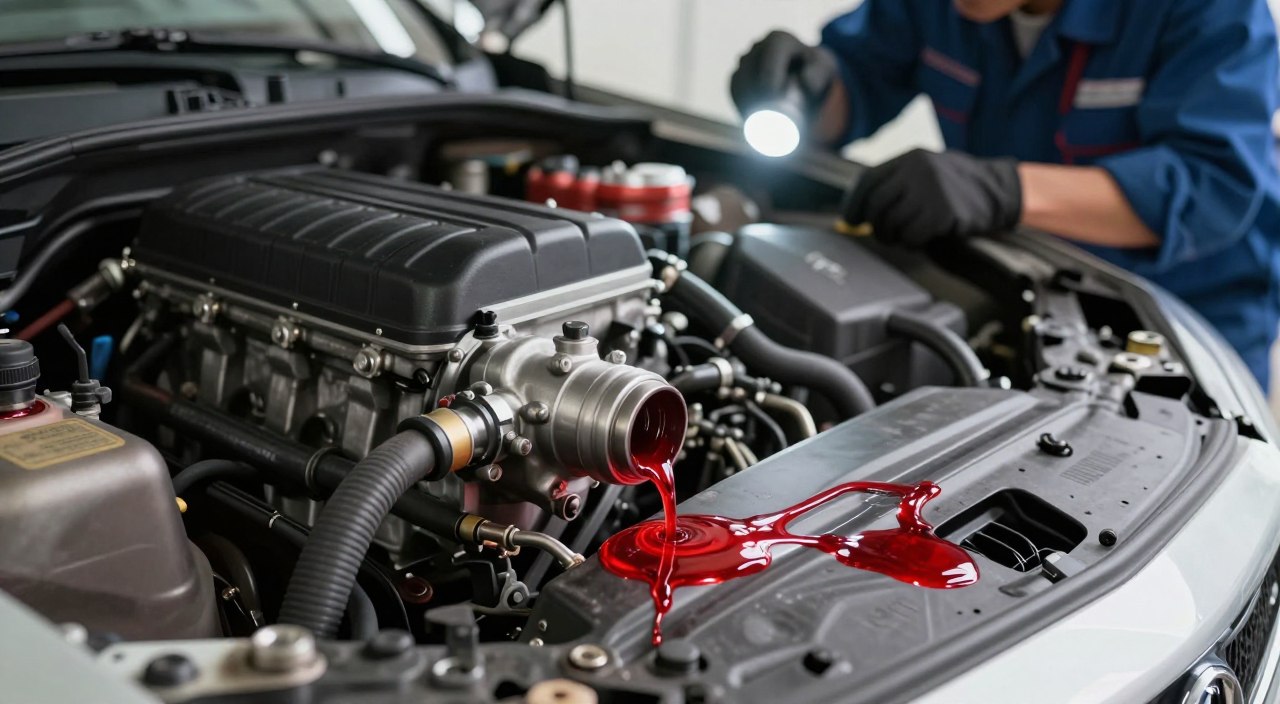
After checking the fluid level, look at the rubber hoses. Search for dark, oily residue or wet spots. These are common places for leaks.
Checking the Rack and Pinion Boots
Then, check under the car at the steering rack. The rubber boots protect the tie rods. If they’re swollen or leaking, it’s a sign of a problem.
Examining the Power Steering Pump Seals
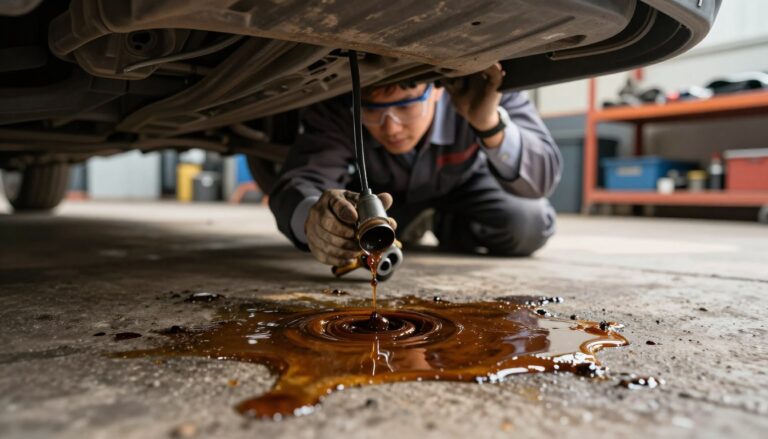
Lastly, check the power steering pump for grime. A leaky pump seal can cause fluid to drip down the engine. Knowing how to check for power steering fluid leak sources at the pump is crucial.
Troubleshooting Steering Performance Issues
Fixing steering problems needs a sharp ear and a careful touch. If your car doesn’t turn right, it might mean a leak. Spotting these signs early can stop big problems.
Why Steering Feels Heavy During Low-Speed Maneuvers
Turning the wheel in slow spots feels hard. This is because the power steering pump needs fluid to work well. Without enough, it can’t help you turn easily.
Without enough fluid, the pump can’t move the steering rack well. This makes steering stiff. You have to push harder to turn, showing the system needs more hydraulic force.
Dealing with Intermittent Steering Loss
Steering can feel okay then suddenly not work right. This happens when air gets in the lines because of a leak. As fluid levels go down, the pump pulls in air, causing pressure problems.
«A well-maintained steering system is the silent partner in your driving safety, providing precision when you need it most.»
If steering feels off and on, it’s time to check for leaks. Ignoring this can be very dangerous, like when you need to dodge something fast.
The Connection Between Fluid Leaks and Pump Failure
The power steering pump needs fluid to work right. A leak makes it run dry, causing it to overheat and fail. Fixing a leak is cheaper than replacing the pump.
| Symptom | Potential Cause | Urgency Level |
|---|---|---|
| Heavy steering at low speeds | Low fluid pressure | High |
| Intermittent stiffness | Air in hydraulic lines | Critical |
| Whining noise during turns | Pump cavitation | High |
| Visible fluid under car | Seal or hose failure | Immediate |
Being proactive with leak checks can stop pump failure. Always check your system early to keep your car safe and reliable.
The Hidden Dangers of Ignoring a Power Steering Leak
A small drip might seem like a small problem. But it can mean a big issue is coming. Many people don’t fix it fast, not knowing the power steering fluid leak dangers. It’s important to fix it early to keep your car safe.
Risk of Sudden Steering Failure While Driving
A big problem is sudden steering failure. If the fluid level gets too low, the pump can’t help. This makes the steering wheel hard to turn.
It’s hard to change lanes or turn sharp corners. This is very dangerous for everyone on the road. It’s not safe to drive with a failing system.
Potential Damage to Other Engine Components
Leaking fluid can also hurt your engine. It can damage rubber belts and hoses. This can make them swell, crack, or slip.
Fluid can also get into electrical wiring. This can cause short circuits or sensor problems. It’s important to keep your engine safe from these problems.
Fire Hazards Caused by Fluid Contact with Hot Surfaces
The biggest risk is fire. If the fluid leaks near hot parts, it can catch fire. This is very dangerous and can spread fast.
It’s important to keep your engine area clean and dry. If you smell burning or see smoke, pull over and turn off the engine. Ignoring these signs can damage your car badly.
| Risk Factor | Severity Level | Primary Consequence |
|---|---|---|
| Steering Failure | Critical | Loss of vehicle control |
| Component Damage | Moderate | Expensive belt/hose repairs |
| Fire Hazard | Extreme | Total vehicle loss |
Assessing the Power Steering Fluid Leak Repair Process
When you find a leak in your steering system, it’s key to know how to fix it. The right steps keep your car safe and easy to steer.
Replacing Damaged Hoses and Clamps
Leaks often start from old rubber hoses or loose metal clamps. Heat and movement make them crack or lose their grip.
A mechanic will look for leaks or wet spots in these lines. Replacing them stops more fluid loss and keeps your pump working right.
Repairing or Replacing the Steering Rack
If hoses don’t fix the leak, the steering rack might be the problem. It’s the core of your car’s steering.
Fixing a rack means replacing worn-out seals. If it’s badly damaged, you might need a new one for good steering.
Flushing the System After a Leak Repair
After fixing the parts, flushing the system is crucial. It gets rid of air bubbles that could harm the pump.
Flushing also removes old, dirty fluid. This lets the system work well for a long time.
Estimating the Power Steering Fluid Leak Cost
Seeing a leak makes you wonder about the power steering fluid leak cost. It’s normal to worry about car costs. But knowing what affects the price can help you budget better.
Factors Influencing Repair Expenses
The cost to fix a leak changes based on the severity of the damage. A small leak might cost just a few dollars. But a big problem, like a failing steering rack, can cost a lot more.
The type of car you have also affects the price. Cars that cost more to make or have special parts can be more expensive to fix.
Comparing DIY Costs Versus Professional Shop Rates
Some people try to fix it themselves to save money. If you know what you’re doing, you might only need to buy new parts.
But shops charge for parts and labor. This is pricier, but you get a warranty and expert work. Think about the risks of DIY versus the benefits of a pro.
Budgeting for Parts and Labor
It’s good to know what you might spend. Here’s a table with estimated costs for different repairs.
| Repair Type | Parts Cost | Labor Time | Total Estimate |
|---|---|---|---|
| Hose Replacement | $20 – $60 | 1 – 2 Hours | $150 – $300 |
| Pump Replacement | $150 – $400 | 2 – 4 Hours | $400 – $900 |
| Steering Rack | $300 – $800 | 4 – 8 Hours | $800 – $1,800 |
Remember, these are just guesses. The best way to know the exact power steering fluid leak cost is to ask a mechanic for a quote.
When to Seek Professional Mechanic Assistance
Knowing when to call a mechanic is key for car owners. You might handle simple tasks like topping off fluids. But, some steering issues need a pro’s touch. Knowing your limits keeps your car safe and reliable.
Recognizing Complex Mechanical Failures
Some problems are more than just a leak. If your pump grinds or fluid keeps leaking, it’s a big issue. Steering rack leaks often need special tools, not your garage.
Trying to fix a steering rack without training can cause more harm. If steering feels off or locks up, get help fast. These signs mean serious problems that could affect your safety.
The Importance of Certified Diagnostic Tools
Modern cars have complex systems that need special tools. Mechanics use certified diagnostic tools to find problems. These tools show hidden issues that you can’t see.
Without these tools, you might fix the wrong thing. This can cost you more money. A pro can find the real problem quickly, saving you time and money.
Ensuring Safety Through Professional Verification
After fixing your steering, a pro should check it. They make sure everything works right. They also check fluid pressure and look for air in the lines.
Your safety is the most important thing. Letting a pro check your car ensures it’s safe. It’s better to trust a pro than risk losing control of your car.
| Repair Type | DIY Suitability | Professional Requirement |
|---|---|---|
| Fluid Top-off | High | Low |
| Hose Replacement | Moderate | Moderate |
| Steering Rack Seal | Low | High |
| Internal Pump Repair | None | High |
Preventive Maintenance Tips for Your Steering System
Keeping your car in good shape is key. A little care can significantly extend the lifespan of your steering parts. This saves you from big repair bills later.
Regular Fluid Level Checks
Fluid checks are simple and important. Check your power steering reservoir with every oil change. Consistency is key to avoid damage.
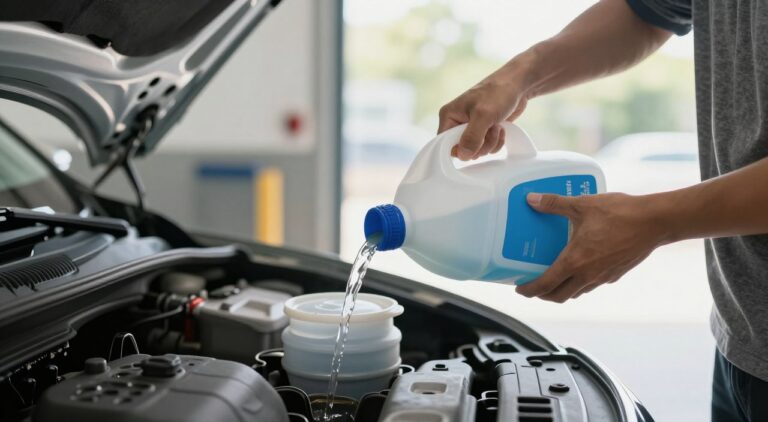
Always check your owner’s manual for the right fluid. Fill the reservoir to the line for your car. This keeps your pump working right and prevents overheating.
Monitoring for Early Warning Signs
Pay attention to how your car feels. If the steering feels stiff or you hear strange noises, check it out. Early detection can save you from big repairs.
Don’t ignore small leaks under your car. Even a small leak can cause big problems. Trust your gut if your car feels off.
Scheduling Routine Steering System Inspections
DIY checks are good, but pros can do more. Get a certified mechanic to check your car yearly. They can find problems you might miss.
Regular check-ups are a smart financial decision. They keep your car running well for years. A well-maintained car gives you peace of mind every time you drive.
Conclusion
Your car has many parts that keep you safe. Taking care of your steering system makes every drive better.
Small leaks can mean big problems. Finding these early saves money and keeps your car running well.
Brands like Valvoline and Prestone make good fluids. Using the right stuff and watching for steering changes helps your car last longer.
You know how to spot problems before they get worse. Tell others about your car or see a mechanic if you notice anything odd.
By keeping up with maintenance, you and your passengers stay safe. Always check your steering system to stay safe on the road.
FAQ
What are the most common power steering fluid leak symptoms I should watch out for?
Look out for harder steering, more at slow speeds. You might hear strange noises when turning. Also, if your car steers slowly or you see oil on the ground, it’s a sign.Models like Ford Explorer or Toyota Camry might show these signs. It means your car needs help fast.
How can I identify the correct power steering fluid leak color compared to other fluids?
Power steering fluid is clear, amber, or pinkish-red. Old or dirty fluid looks dark brown or black. It’s thinner than engine oil and smells different.
Is there a specific power steering fluid leak smell I can detect near the engine?
Yes, there’s a smell from power steering fluid leaks. It smells like burnt marshmallows or oil. If your Chevy Silverado smells like this, check the engine.
What are the primary signs of power steering fluid leak that indicate a major problem?
Big signs include «jerky» steering or no power assistance. If steering is hard, your fluid levels are low. This can make your steering pump seize.
Can you explain how to check for power steering fluid leak at home?
Checking for leaks is easy. Look for the reservoir and check the level. Use a flashlight to see if hoses or boots are wet.Make sure the engine is off and cool before you start.
What does a typical power steering fluid leak repair involve at a mechanic?
Repairs can be simple or complex. It might just need a clamp tightened or a hose replaced. But, if it’s inside, you might need a new rack or pump.
How much should I expect a power steering fluid leak cost to be?
Costs vary. A hose might cost $150 to $300. But, a new steering rack in a BMW 3 Series can be over $1,000. Regular checks and good fluids can save money.
What are the most significant power steering fluid leak dangers if left unaddressed?
Unfixed leaks are very dangerous. They can cause loss of control at high speeds, leading to accidents. They also pose a fire risk because the fluid is flammable. Neglecting it can also damage the pump, costing more to fix.
Where should I start with power steering fluid leak troubleshooting if my steering feels heavy?
First, check the fluid level. If it’s low, add the right fluid and see if it helps. If it keeps dropping, look at the steering gear box and pump connections. A small leak can make steering hard.