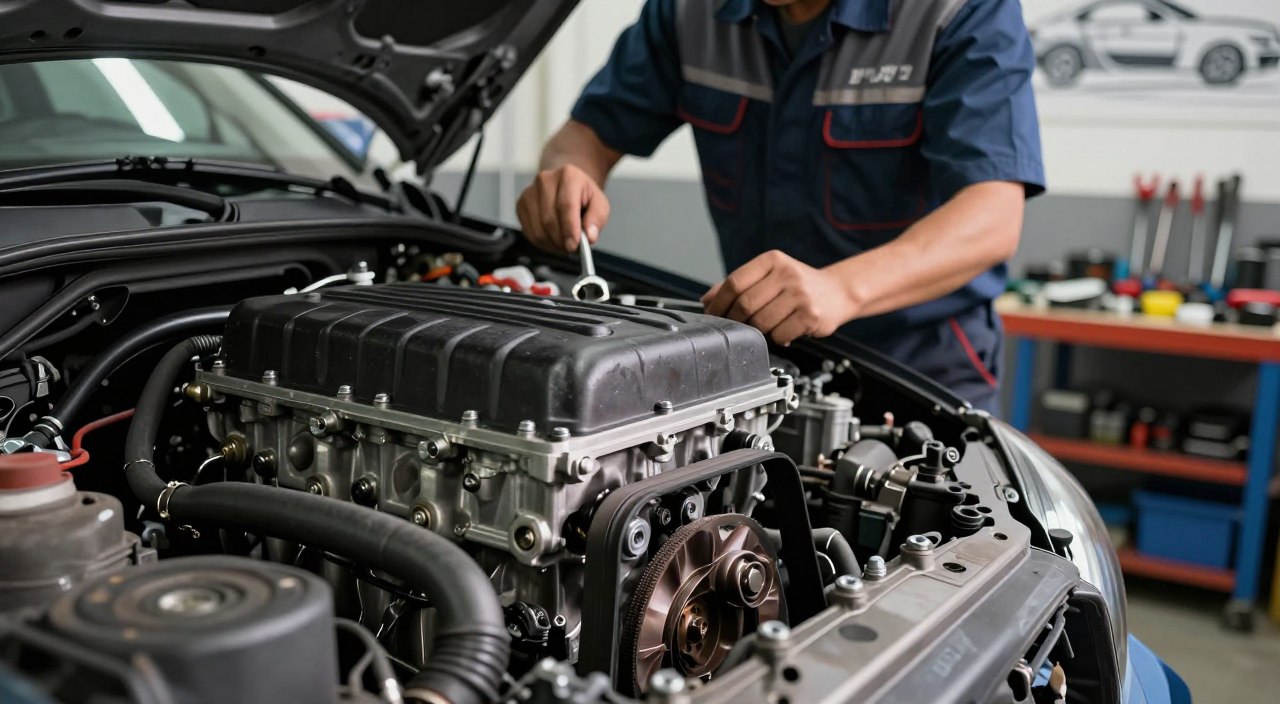
Why does my car engine rattle and how to fix it
When you hear a strange noise from under the hood, it makes you worried. It can turn a quiet drive into a noisy mess. You might wonder, why does my car engine rattle, and if it’s a big problem.
Finding out where the noise comes from is the first step to feeling better. Learning to tell the difference between normal sounds and warning signs is key. This lets you do simple checks yourself and know when to call a mechanic.
Knowing how your car works is very important. Taking care of it early can stop big problems later. Let’s look at the usual reasons for these noises. This way, you can keep your car running well and safe.
Understanding the mechanics of engine noise
Learning to understand the sounds from your car’s engine is key. An engine works by making thousands of small explosions. This makes a sound that shows it’s working right.
But, if the engine sounds different, it might be a problem. Spotting these changes early can save you money on big repairs.
Differentiating between normal and abnormal engine sounds
A good engine makes a steady hum or a soft tick from the fuel injectors. This rhythmic consistency means your car is in good shape. Knowing what your car sounds like helps you notice when it’s off.
Strange engine noises are loud and not normal. They might sound like clatters, grinding, or knocking. These sounds mean something is wrong inside your engine. If the sound changes with the engine’s speed or temperature, it’s a sign to check it out.

How engine vibrations translate into audible rattles
Every engine vibrates a bit when it runs. But, under normal conditions, these vibrations are kept quiet by special parts. If these parts get loose or worn, the vibrations can cause problems.
These vibrations can make metal parts hit each other or loose parts rattle against the engine. This is what you hear as a rattle. A steady vibration in engine parts often means something is broken or loose.
By listening to these strange engine noises, you can find the problem. Knowing how the sounds work helps you fix your car and keep it running well.
Why does my car engine rattle: Identifying common culprits
When I hear a strange noise under the hood, I wonder why does my car engine rattle. It’s a common problem for many car owners. Knowing the cause is key for keeping the car in good shape.

The role of internal engine components in noise generation
Internal noises often come from the engine’s core. Over time, parts like pistons and valves wear out. When they don’t fit right, they knock against each other.
A rhythmic tapping sound might mean a worn-out lifter or loose valves. These problems need quick fixing to avoid bigger engine issues. Ignoring these sounds can cause serious damage.
External factors contributing to engine rattling
Not all noises come from inside the engine. Sometimes, parts outside the engine vibrate and make noise. Checking these areas first can save time and money.
Loose exhaust system components
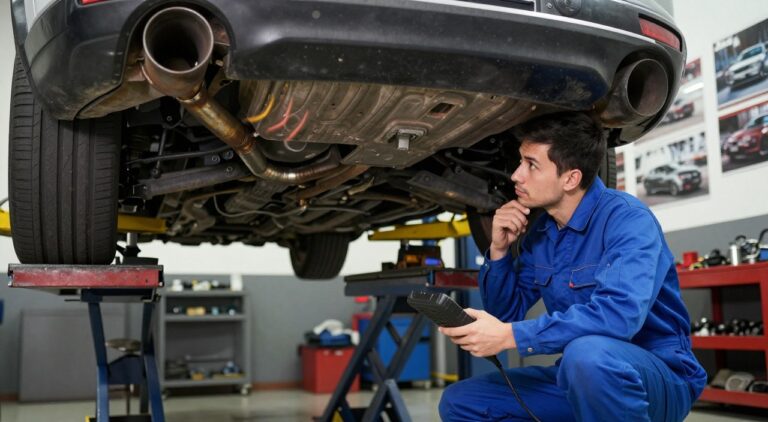
The exhaust system often causes rattling sounds. Heat shields, thin metal covers, can rust or lose bolts. When they’re loose, they vibrate against pipes, making noise.
Worn-out accessory drive belts
Drive belts and pulleys can also make rattling sounds. If a belt stretches or a pulley bearing fails, it vibrates. Replacing these parts is easy and keeps the belt from breaking.
| Component | Typical Sound | Severity |
|---|---|---|
| Heat Shield | Metallic buzzing | Low |
| Drive Belt | Chirping/Rattling | Medium |
| Valve Lifter | Tapping/Clicking | High |
| Piston Slap | Deep knocking | Critical |
By checking these areas, I can find the likely cause of the rattling. Whether it’s a loose bolt or a worn-out part, finding the problem early helps keep my car running well.
Step-by-step diagnostic process for engine sounds
I think the best way to fix car engine troubles is to follow a simple plan. By doing this, you can find out where the sound is coming from easily. A clear engine noise diagnosis saves you time and money before you see a mechanic.
Preparing your vehicle for a safe inspection
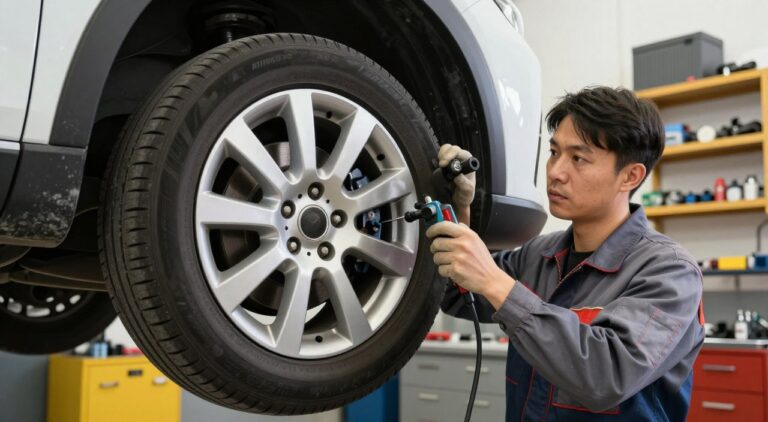
First, park your car on a flat, level spot with the brake on. Turn off the engine and wait a few minutes to avoid hot parts. Safety first, so wear gloves and keep loose clothes away from moving parts.

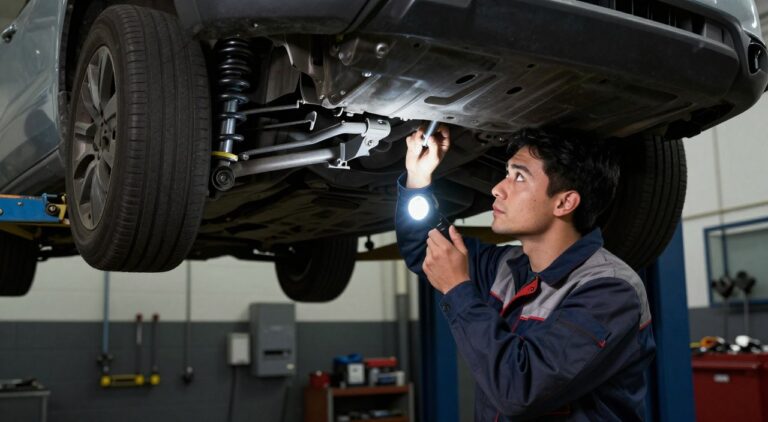
Then, look at the engine bay while the car is off. Check for loose parts, disconnected hoses, or debris. This simple check might fix the problem without needing more car engine troubleshooting.
Listening for specific patterns in the noise
To find out what’s causing your car engine noise, listen carefully. Different parts make sounds at different times. Keep a small notebook to write down what you hear.
Rattling during cold starts versus warm operation
If the rattle is louder when it’s cold but goes away when it warms up, it might be oil pressure or hydraulic lifters. Cold oil is thicker and takes longer to spread, causing noise. If the sound stays after it warms up, it could be a bigger problem.
Noise changes under acceleration or idling
Watch how the sound changes when you speed up. If it gets louder, it might be the timing chain or pulleys. If it’s only at idle, it could be a loose heat shield or a small exhaust leak.
| Condition | Potential Cause | Diagnostic Tip |
|---|---|---|
| Cold Start Only | Oil pressure/Lifters | Check oil level first |
| Idle Only | Loose heat shield | Inspect exhaust mounts |
| Increases with RPM | Timing chain/Pulleys | Listen near front cover |
| Constant Rattle | Internal wear | Seek professional help |
Addressing low oil levels and pressure issues
Keeping the right oil pressure is key to stopping engine rattling causes. Without enough oil, parts rub together, making noise. Many drivers ignore these signs until it’s too late.

Checking your oil dipstick and fluid quality
First, I check the oil level manually. Park on flat ground, let the engine cool, and pull the dipstick.
Clean oil is amber or light brown. If it’s dark, gritty, or smells bad, change it right away. Low oil is a common engine rattling cause.
The impact of low oil pressure on hydraulic lifters
Hydraulic lifters need pressurized oil to work right. Without it, they collapse.
This causes a ticking or rattling sound. It gets louder as the engine speeds up. Consistent oil pressure keeps these parts quiet.
Signs of oil pump failure and how to verify it
A failing oil pump shows signs before it breaks down. You might see a flickering oil pressure light or a sudden drop in gauge readings.
To check the pump’s health, use a mechanical pressure gauge. It shows if the pump is working right.
| Symptom | Potential Cause | Recommended Action |
|---|---|---|
| Ticking at idle | Low oil level | Top off oil immediately |
| Persistent rattle | Worn hydraulic lifters | Inspect oil pressure |
| Pressure light flicker | Failing oil pump | Professional diagnostic |
| Gritty, dark fluid | Contaminated oil | Perform full oil change |
Inspecting loose components and heat shields
A vibration in engine often means something is loose. This can be fixed at home. A loose bolt or thin metal plate might be the cause. Check your car’s outside parts before worrying about engine damage.
Locating rattling heat shields near the exhaust manifold
Heat shields protect from exhaust heat. Over time, fasteners can rust or vibrate loose. This makes a buzzing sound. I recommend tapping the shields with a gloved hand when cool to check if they move.
Securing loose brackets and engine covers
Engine parts like brackets and covers can also cause noise. A vibration in engine can make them rub against metal. Check these items to make sure they are tight:
- Plastic engine covers with missing rubber grommets.
- Accessory drive brackets for the alternator or power steering pump.
- Loose wiring harness clips tapping against the firewall.
Checking for debris trapped in the engine bay
Foreign objects can also cause engine noise. Small rocks, twigs, or leaves can get stuck. They can make a vibration in engine when the car moves.
Remove debris by hand or with compressed air. Securing these loose parts or removing debris can stop the noise. This simple step saves time and money and keeps your car quiet.
Dealing with timing chain and belt tensioner failures
Understanding your timing chain and belt tensioner is key to fixing engine noise. These parts make sure the engine works right. If they fail, the engine can’t work well.
Recognizing the sound of a loose timing chain
A loose timing chain makes a rattling sound. You might hear it when the engine is cold or idling. As it stretches, it loses tension and slaps against parts.
If you hear a clatter that gets louder with RPM, it’s serious. This sound means your timing system needs a check. Not fixing it can lead to big engine problems.
The importance of tensioner health in modern engines
The tensioner keeps the timing system tight. Modern engines use hydraulic tensioners that need oil pressure. If it fails, the system gets loose and timing is off.
Keeping the tensioner healthy is key for your engine. It makes sure your engine runs well and lasts longer. Regular checks can catch problems before they get worse.
Risks associated with ignoring timing system wear
Ignoring timing system problems is risky. If it breaks, it can damage the engine badly. This can bend valves, hurt cylinder heads, or ruin the engine block.
| Component | Common Symptom | Primary Risk |
|---|---|---|
| Timing Chain | Rhythmic rattling | Catastrophic engine failure |
| Belt Tensioner | Whining or slapping | Loss of valve timing |
| Timing Guides | Grinding noise | Chain skipping teeth |
If you think your timing system is failing, act fast. A pro needs to check it to avoid expensive fixes. Fixing it now can save you from a big engine problem later.
Troubleshooting fuel and ignition system problems
An engine knocking sound often means your car is burning fuel wrong, not because of mechanical issues. When my car sounds rough, I check the fuel and ignition systems first. These parts are key for a smooth ride, and small problems can sound like big mechanical issues.
Identifying engine knocking caused by poor fuel quality
Using low-octane fuel in a high-performance engine can cause pre-ignition. This happens when the fuel mixture ignites too early, making a sharp pinging or knocking sound. High-quality fuel is key to avoid this damage.
«The quality of the fuel you put into your tank directly dictates the health and longevity of your engine’s combustion process.»
Checking spark plugs and ignition coils for misfires
Worn spark plugs or failing ignition coils can make your engine run rough. These parts failing cause misfires, which disrupt the engine’s rhythm. This often leads to a stuttering or rattling sound. If you notice your car losing power or vibrating while idling, check these parts.
- Check spark plug gaps for signs of erosion.
- Test ignition coils for consistent electrical output.
- Replace worn wires to ensure a strong spark.
How carbon buildup affects engine combustion sounds
Carbon deposits can build up in the combustion chamber over time. These deposits change the engine’s compression ratio and cause hot spots. This leads to irregular combustion sounds. Regular maintenance, like using fuel system cleaners, keeps these areas clean. This ensures your engine runs quietly and efficiently.
When to seek professional mechanical assistance
Even the most dedicated DIY enthusiast must know when to stop. Some problems are too hard for us to fix. When you hear strange engine noises, it’s time to get help.
This way, you avoid making things worse. And you stay safe while driving.
Recognizing signs of catastrophic engine failure
Some signs mean your engine is in big trouble. If you see these signs, stop driving right away. This helps prevent your engine from getting worse:
- Metal shavings in your engine oil during a change.
- A sudden, drastic loss of power while driving at highway speeds.
- Persistent, loud knocking sounds that do not change with engine temperature.
- Visible smoke pouring from the exhaust or engine bay.
The value of professional diagnostic tools and scanners
Modern cars have complex systems. Basic code readers help, but professional scanners are better. They show hidden problems behind strange engine noises.
A pro mechanic uses these scanners to find the exact problem. This saves you money by avoiding unnecessary part replacements. Getting a professional inspection is often the best choice for car engine repair.
Preparing for a repair shop visit with your findings
Before going to the shop, write down what you’ve seen. Telling your mechanic clearly helps them fix the problem faster. This can save you money on labor costs.
Keep a simple log of your findings. Share it during your car engine repair visit.
Include these details in your notes:
- The specific conditions under which the noise occurs, such as during acceleration or cold starts.
- Any warning lights that have appeared on your dashboard.
- A list of any maintenance tasks you have already performed to address the issue.
Essential maintenance to prevent future rattling
Stopping an engine knocking sound starts before you hear it. Being proactive keeps your car running well for a long time.
Adhering to manufacturer-recommended oil change intervals
Your engine needs clean oil to protect it. Following the oil change schedule keeps everything moving smoothly.
Ignoring these times can lead to sludge. This can harm hydraulic lifters and cause noise. Consistency is truly the key to avoiding damage.
Routine inspections of belts, hoses, and exhaust mounts
Check your engine bay often. Look for cracks in belts and leaks in hoses.
Also, check exhaust mounts and heat shields for rust or looseness. Fixing these early stops rattling sounds.
«An ounce of prevention is worth a pound of cure.»
Benjamin Franklin
Listening for early warning signs during daily driving
Listen to your car every day. A new engine knocking sound means you should check it right away.
Fixing small problems is cheaper than big ones. Being alert saves money and keeps your car reliable.
Conclusion
Starting to take care of your car begins with noticing small signs from your engine. This guide helps you understand these signs better. You can now tell if it’s just a small issue or something bigger.
Keeping your car in good shape is key for a smooth ride. Regular oil changes and check-ups stop small problems from getting worse. This way, your car stays reliable for a long time.
If you hear something strange under the hood, be careful. If you’re not sure about the noise, get help from a car expert right away. They have tools to find problems you might miss.
Don’t let a small noise turn into a big problem. Getting your car fixed right away keeps it running well. Stay alert, follow your car’s maintenance schedule, and enjoy a car that works great.
FAQ
Why does my car engine rattle when I first start it in the morning?
A rattle when starting can mean low oil pressure or a failing timing chain. Modern cars use oil pressure to keep the chain tight. If oil drains or uses low-quality oil filters, the chain slaps until pressure builds.
How can I tell if the sound I hear is a simple rattle or a serious engine knocking sound?
A rattle sounds high-pitched and might change. It’s often from a loose exhaust or a worn pulley. A knock is deeper and gets faster with RPMs. A deep knock means internal damage and needs quick repair.
Can a vibration in engine components be fixed without a mechanic?
Yes, many vibrations come from outside. Loose covers, worn hangers, or a loose battery can make noise. Tightening bolts or replacing a worn belt can fix it without a mechanic.
What are the most common engine rattling causes that are non-mechanical?
Poor fuel quality is a big cause. Low-octane fuel in a high-compression engine can cause rattling. Carbon buildup or wrong spark plugs can also disrupt combustion and make noise.
When should I stop driving and seek professional engine noise diagnosis?
Pull over if the oil pressure or check engine light is on. Loud clanking, sudden power loss, or smoke mean serious damage. Use a diagnostic tool to check codes before going to the shop.
Does the brand of motor oil I use affect car engine noise?
Yes, it does. High-quality synthetic oil like Mobil 1 or Royal Purple can quiet noisy hydraulic lifters. These oils keep viscosity under heat and lubricate better, helping quiet the engine.