Signs of low transmission fluid every driver should know
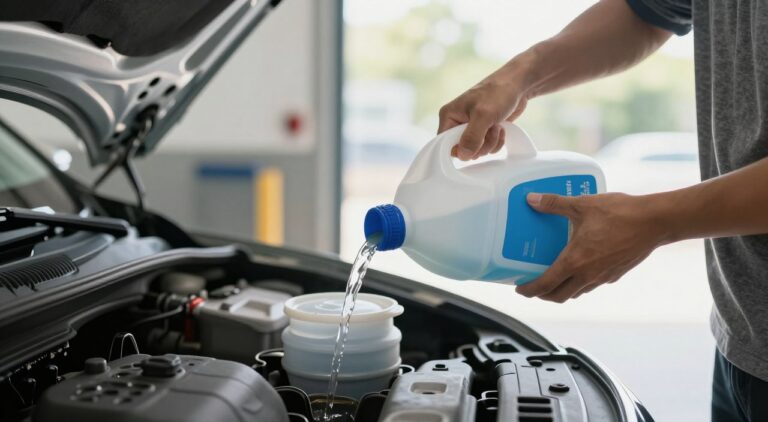
Your car needs special oil to move smoothly and stay cool. If this oil gets low, driving gets tough. It’s key to keep your car running well.
Not noticing signs of low transmission fluid can cause big problems. Many drivers end up with huge repair costs because they didn’t act fast. It’s smart to take care of your car to avoid big bills.
It’s easy to check your oil levels. Paying attention to your car helps catch issues early. This way, you can keep your car running for a long time.
Key Takeaways
- Transmission lubricant is critical for smooth gear shifting and cooling.
- Neglecting fluid levels often results in severe mechanical damage.
- Proactive maintenance helps you avoid costly repair bills.
- Learning to spot early warning indicators saves time and money.
- Regular checks are a simple way to extend your vehicle’s lifespan.
Understanding the Role of Transmission Fluid in Your Vehicle
I see transmission fluid as the unsung hero of every drive. It does two main things. It lubricates moving parts and helps gears shift smoothly. Without it, your car would stop working.

How transmission fluid lubricates and cools internal components
The inside of a transmission gets very hot because of friction. I try to keep this heat away from important parts. The fluid helps by moving heat away.
The fluid also protects moving parts. It makes sure gears and bearings don’t wear out too fast. This keeps gear changes smooth.
The importance of maintaining proper fluid levels for vehicle longevity
Having the right amount of fluid is key. It keeps the transmission cool. If it’s too low, it can fail badly.
Fluid levels help parts like clutches and gears last longer. Regular checks keep your car running well and save money on repairs.
Identifying Common Signs of Low Transmission Fluid
Spotting signs of low transmission fluid early can save a lot of money. My car gives me hints before big problems start. By watching how my car drives, I can fix small issues before they get big.
Recognizing the early warning indicators of fluid depletion
My car feels sluggish when I start driving in the morning. If the fluid is low, the transmission has trouble shifting gears. This makes the car hesitate or feel like it’s revving too high before moving.
Another sign is a weird noise when I accelerate. I might hear a whining or buzzing sound from the transmission. These signs of low transmission fluid tell me to check the dipstick right away. If it’s low or dirty, I need to fix it fast to avoid damage.

Why ignoring these signs leads to costly transmission repairs
Ignoring these warnings can lead to a big financial headache. Without enough fluid, parts like the valve body and torque converter get too hot. This causes them to wear out and can ruin the transmission.
Adding fluid is cheap compared to fixing a broken transmission. If I ignore the signs of low transmission fluid, I risk damaging my car’s entire drivetrain. A new transmission can cost thousands. But, keeping up with maintenance saves money and keeps my car running well for years.
Detecting Transmission Slipping While Driving
When you press the gas pedal and the engine roars but the car doesn’t move, it’s a big problem. This is called transmission slipping. It feels like the car is stuck in neutral, but the engine is working hard.

What it feels like when your gears lose connection during acceleration
The main reason for this is not enough hydraulic pressure in the transmission. Without enough fluid, the gears can’t connect right. This makes the RPM needle go up fast, but your speed doesn’t.
This problem makes driving hard and gets worse as the engine warms up. If you don’t fix it, it can damage the metal parts inside. Transmission slipping means your car is trying to tell you something.
Safety risks associated with sudden power loss on the highway
Driving with a slipping transmission is very dangerous, like when you need to merge fast. If you can’t speed up, you’re at risk from other cars. Losing power makes it hard to get out of the way quickly.
I don’t think it’s safe to drive far if you think your car is slipping gears. Being stuck in fast traffic is too risky. Here’s a table to show how your car acts when it slips gears.
| Symptom | Normal Operation | Transmission Slipping |
|---|---|---|
| Engine RPM | Steady during acceleration | Spikes without speed gain |
| Gear Changes | Smooth and predictable | Hesitant or erratic |
| Power Delivery | Consistent and firm | Weak or disconnected |
| Driving Safety | High control | High risk of stall |
Troubleshooting Delayed Engagement When Shifting Gears
A slight pause when shifting gears is a big warning sign for your transmission. When you move the gear selector, you expect your car to move right away. If it doesn’t, you might be seeing delayed engagement when shifting gears.

The hesitation between shifting into Drive or Reverse
This pause is more than just annoying. It shows your car’s system is struggling. You might feel a lag or a «thump» when the gear locks in place. This means the parts inside aren’t working fast enough.
«A well-maintained transmission should respond with precision and speed, never leaving the driver guessing if the vehicle is ready to move.»
Why low hydraulic pressure prevents immediate gear engagement
The main reason for this delay is often low hydraulic pressure. Your transmission needs fluid to move the gears. Without enough, it can’t press the gears into place.
Remember, delayed engagement when shifting gears is a warning. Ignoring it can cause big problems. Check your fluid levels to avoid expensive repairs.
Addressing Transmission Not Shifting Smoothly
A transmission not shifting smoothly means your internal system is having trouble. When driving, you want gears to change smoothly. But low fluid makes this hard, causing jarring movements.
If your car hesitates or jumps, it’s a sign to check your transmission.
Identifying rough gear changes and erratic shifting patterns
You might hear a noticeable clunk or feel a sudden surge when shifting gears. These issues happen when the transmission can’t pick a gear. This makes driving frustrating and unpredictable.
Watching how your car shifts is key. It shows if your fluid levels are too low.
How fluid viscosity affects the valve body performance in modern transmissions
The valve body is like the brain of your transmission. It needs the right fluid viscosity to work well. If the fluid is too thin or dirty, it can’t send the right pressure.
This causes solenoids to fire at the wrong time. So, you get a transmission not shifting smoothly when you accelerate.
If your car struggles to shift, don’t wait for it to fail. A simple fluid service can help. It keeps your fluid clean and protects your valve body.
This way, your transmission not shifting smoothly problem goes away. You’ll have a safer and more comfortable ride.
Investigating Transmission Grinding or Shaking
If your car acts strange, it might have transmission grinding or shaking. These signs mean your parts need more oil to work right. Many people think these signs are small problems, but they often mean something big is wrong.
Distinguishing between mechanical wear and fluid-related vibration
It’s key to tell apart shaking and grinding sounds. Shaking often comes from cavitation, when air bubbles get in the oil. This stops the gears from working right.
But grinding sounds mean something is really wrong. If there’s not enough oil, parts rub against each other. This can hurt your transmission’s bearings and bushings a lot.
The dangers of ignoring grinding noises during gear transitions
Ignoring these signs can ruin your transmission. Grinding sounds during shifting mean damage is happening. Driving more can destroy your car’s inner parts.
I suggest getting help right away if you hear these sounds. A quick check can save you from expensive repairs. Here’s how different signs show how your car is doing.
| Symptom | Potential Cause | Urgency Level |
|---|---|---|
| Rhythmic Shaking | Fluid Cavitation | Moderate |
| Metallic Grinding | Internal Wear | Critical |
| Delayed Engagement | Low Fluid Pressure | High |
Recognizing the Burnt Transmission Fluid Smell
Knowing how to spot a burnt transmission fluid smell is key for car owners. If you smell something odd while driving, it might mean your car’s transmission needs help. This smell often means there’s a problem inside the transmission.
Why overheating fluid produces a distinct acrid odor
The smell comes from transmission overheating. The fluid keeps gears and clutches cool. But when it gets too hot, the fluid starts to break down fast.
This breakdown makes a strong, sharp smell. Unfortunately, once the fluid can’t protect anymore, it can’t stop parts from rubbing together. This makes more heat, which can hurt your car’s parts a lot.
Inspecting the color and consistency of your transmission fluid via the dipstick
Check your fluid often to find problems early. Park on level ground and let the engine run. Find the transmission dipstick, pull it out, and clean it with a cloth before putting it back.
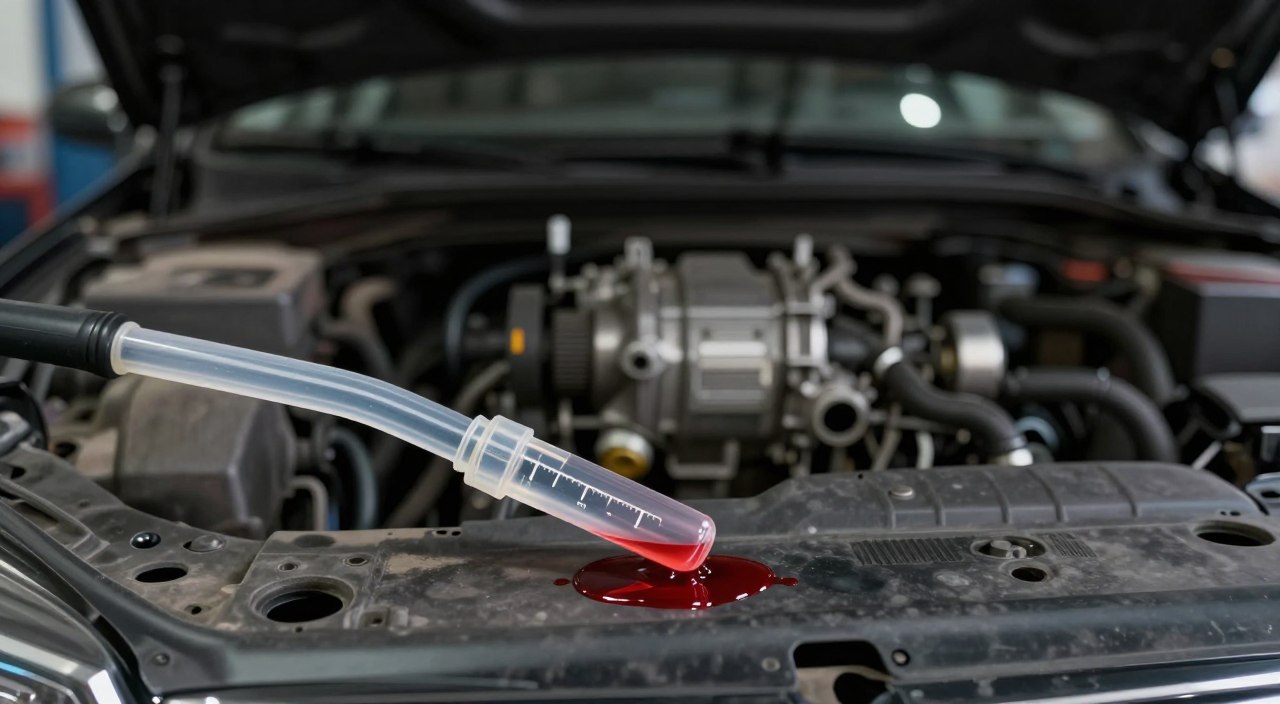
When you pull it out again, look at the color and smell. Good fluid is translucent red and smells a bit oily. If it’s dark brown or black and smells burnt, your transmission is overheating badly.
| Fluid Condition | Color | Odor | Action Required |
|---|---|---|---|
| Healthy | Translucent Red | Mild/Oily | None |
| Warning | Light Brown | Slightly Burnt | Monitor Closely |
| Critical | Dark Brown/Black | Strong Burnt | Immediate Service |
Locating and Managing Transmission Fluid Leaks
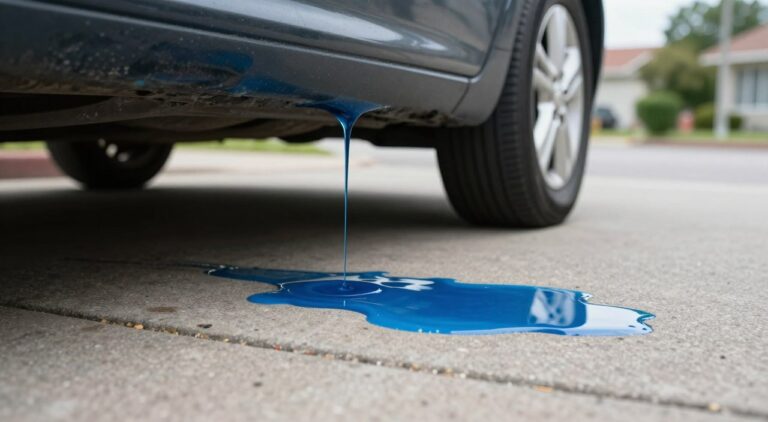
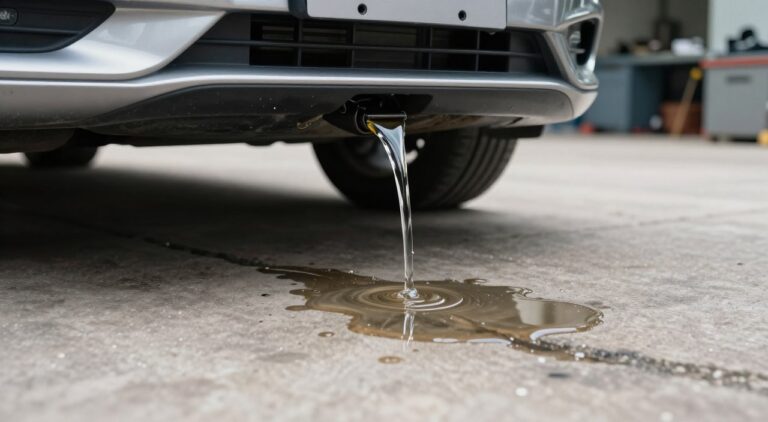
Finding a puddle under your car is not good. It means your car might have a problem. Finding transmission fluid leaks early helps avoid big damage.
How to spot red or brown puddles under your vehicle
When I check my driveway, I look for certain colors. Fresh transmission fluid is bright red and smells sweet. Older fluid is dark brown or black.
Put cardboard under your car overnight to see if it leaks. If it does, check the underside of your car well. Even a small leak can cause big problems if ignored.
Common leak points like pan gaskets, cooler lines, and output shaft seals
Leaks often come from a few places. The transmission pan gasket can get hard or crack. Metal cooler lines can rust or get pinhole leaks from dirt and salt.
Output shaft seals are another common problem. They can get brittle and leak fluid. Regular checks can stop big problems before they start.
| Leak Location | Common Cause | Severity Level |
|---|---|---|
| Pan Gasket | Heat degradation | Moderate |
| Cooler Lines | Corrosion | High |
| Output Shaft Seal | Rubber wear | High |
Responding to Dashboard Warning Lights for Transmission Fluid
When a dashboard warning light for transmission fluid turns on, your car is trying to tell you something. It’s a sign that something is wrong and needs fixing fast. This could be because of too much heat or not enough fluid.
I always take these warnings seriously. It helps keep my car running well and safe to drive.
Interpreting transmission temperature and check engine alerts
Modern cars have special sensors to check on the drivetrain. If the transmission temperature gauge goes into the red, it means the fluid is too hot. Ignoring this can cause serious damage to the gears and seals.
A check engine light also means something is wrong. It could be because of low pressure or a sensor problem. These lights are there to keep your car from breaking down badly.
Immediate steps to take when your vehicle signals a transmission fault
If you see a warning light while driving, you need to act fast. Here’s what to do to stay safe:
- Find a safe place to stop, away from traffic.
- Turn off the engine and let it cool for 20 minutes.
- Look in your owner’s manual to find the transmission dipstick.
- Check the fluid level and color. If it’s low or smells bad, don’t drive it.
- Call a mechanic or roadside help to tow your car to a shop.
By being careful when you see a dashboard warning light for transmission fluid, you can save money. You also make sure your car lasts longer.
Conclusion
Checking your car for low fluid is easy and helps avoid big problems. Taking care of your car early keeps it running well for a long time.
You can now catch problems early and avoid big repair costs. Just check your dipstick and listen to how your car shifts. These steps help your car last longer and run better.
Make sure to check your car during oil changes. Taking care of your car means you can drive without worry. By doing these simple things, your car will last longer and save you money.
FAQ
What are the most common signs of low transmission fluid that I should monitor?
Look out for transmission slipping and delayed engagement when shifting gears. Also, watch for transmission fluid leaks and a burnt transmission fluid smell. These signs mean you need to check the dipstick to avoid transmission overheating.
Why is my transmission slipping when I try to accelerate on the highway?
A: Transmission slipping means there’s not enough pressure. This is common in high-mileage cars like Chevrolet Silverado or Toyota Camry. Without enough pressure, gears can’t work right.
What causes the sensation of my transmission not shifting smoothly?
If your transmission not shifting smoothly, it might be because the fluid is too thin. Modern transmissions need the right fluid thickness. Low or dirty fluid can cause jerky shifts.
Should I be worried if I hear transmission grinding or shaking during gear transitions?
Yes, transmission grinding or shaking is a bad sign. It means metal parts are rubbing together. This can damage the bearings in an Allison transmission. Shaking can also mean air is getting in because the fluid level is too low.
What does a burnt transmission fluid smell indicate about my vehicle’s health?
A burnt transmission fluid smell means your transmission is overheating. When fluid can’t cool down, it breaks down. Dark fluid on the dipstick means it’s time for a flush.
Why is there a delayed engagement when shifting gears from Park to Drive?
A: Delayed engagement when shifting gears means the pump needs more pressure. Low fluid takes longer to build up this pressure. It’s a sign of possible transmission fluid leaks.
How should I respond if the dashboard warning light for transmission fluid turns on?
If the dashboard warning light for transmission fluid comes on, it’s urgent. These lights in Ford and Honda models warn of trouble. Pull over and check for transmission fluid leaks. If fluid is low, don’t drive further.
How can I identify transmission fluid leaks under my car?
Look for red or dark brown puddles. Check the pan gasket, seals, and lines to the radiator. Any leak means you need to top off and find the leak source.