AC condensation vs coolant leak How to Tell the Difference
Seeing a puddle under your car can make you worry. It’s scary to find fluid on your garage floor and wonder if your car is okay. Knowing the difference between AC condensation vs coolant leak is key to keeping your car in good shape and avoiding expensive fixes.
Some drips are normal from your car’s cooling system. But other fluids mean your car might have a big problem. I want to teach you how to spot these puddles fast. This way, you can avoid engine damage or make your car’s cabin uncomfortable.
By learning these simple signs, you can save time, money, and stress. This is important during your car’s regular check-ups.
Understanding the Basics of Automotive Fluid Leaks
Not every liquid under your car means trouble. Many times, a puddle is just normal. It’s important to know the difference between normal drips and automotive fluid leaks.

Why My Car Is Dripping Fluid
When I check under my car, I think about the environment and systems. Modern cars vent stuff during use, making puddles. Some drips are okay, but others are critical warning signs that need fixing fast.
It’s key to know which fluid is dripping. By looking at where and what it is, I can tell if it’s a small problem or a big one that needs a pro.
The Role of the Air Conditioning System
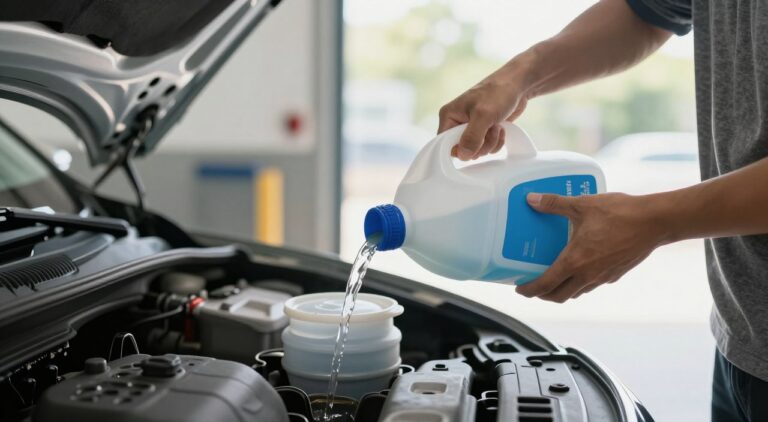
The air conditioning in my car does more than cool me down. It pulls moisture out of the air, making water as a byproduct. This water is channeled away from the car’s interior.
This water goes through a drain tube and hits the ground. Seeing a clear, odorless puddle after using the AC is normal. It means the system is working to keep me comfortable and dry.
The Function of the Engine Cooling System
The engine cooling system is different. It’s a closed-loop circuit that keeps the engine cool. If fluid leaks from it, it’s a sign of a problem.
If I see colored or sweet-smelling fluid, it’s coolant. This means a hose, radiator, or water pump might be broken. Fixing these automotive fluid leaks fast is crucial to avoid engine damage.
Visual Inspection Techniques for Identifying Puddles
When I see a puddle under my car, I start with a simple check. You don’t need fancy tools for a basic look. By looking at the liquid’s color, you can often find the problem fast.

Checking the Color and Consistency of the Fluid
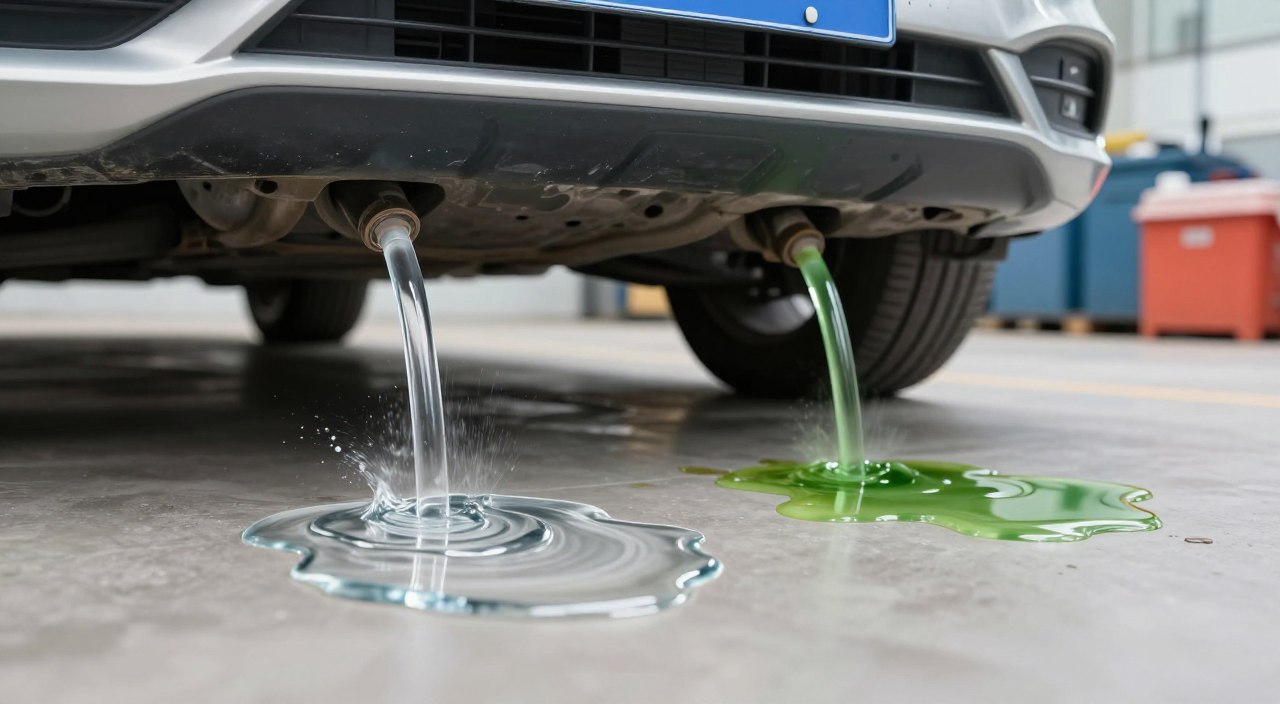
The first thing I check is the puddle’s color. Bright green, orange, or pink fluids usually mean engine coolant. If it’s clear and thin like water, it’s likely from your air conditioning.
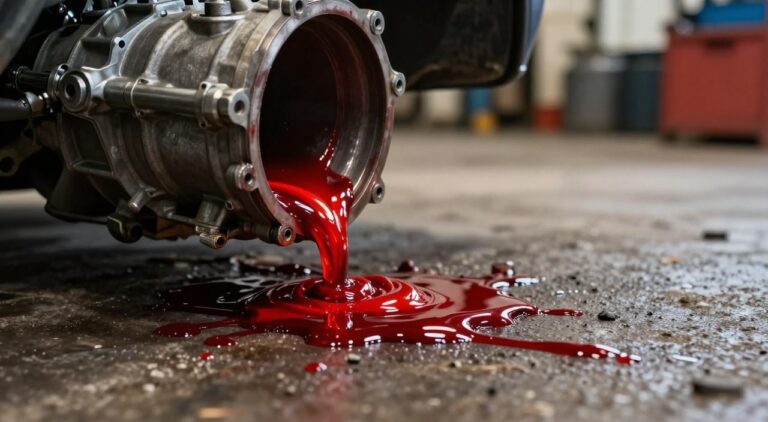
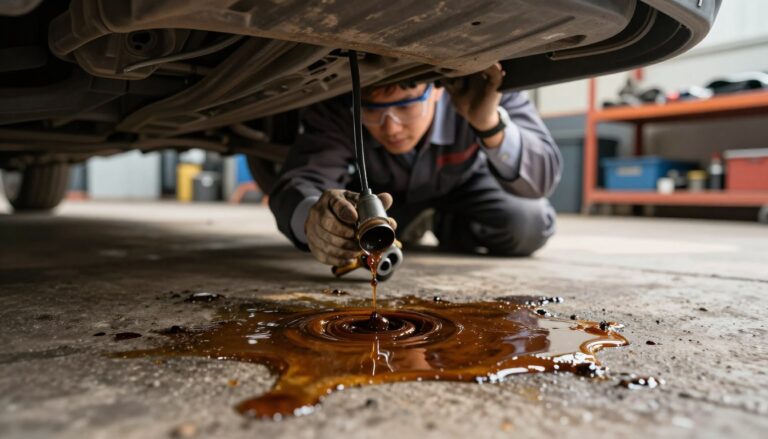
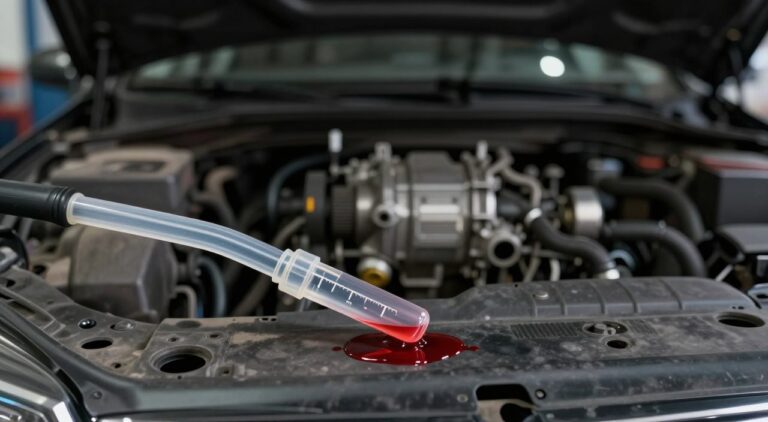
Consistency also gives clues. Engine oil is thick and dark. Transmission fluid is reddish and clear. Noticing these small differences is key to starting your diagnosis.
The Importance of Location Under the Vehicle
The puddle’s location is a big clue. A puddle near the front bumper often means air conditioning or radiator issues. A leak further back points to engine or transmission problems.
I always check the ground before moving the car. If the liquid pools under the engine, I focus on hoses and cooling parts. This helps me find the right part without wasting time.
Using the Paper Test to Determine Fluid Type
To see the fluid better, I use the white paper test. I put a clean sheet under the leak for a few minutes. This shows the true color and texture without driveway dirt.
This simple method is great for coolant leak detection. It shows the bright colors of modern antifreeze. If the fluid is slippery and stains, it needs quick attention. Use the table below to identify what you see on your paper test.
| Fluid Type | Common Color | Texture |
|---|---|---|
| Engine Coolant | Green, Orange, Pink | Slippery, Sweet smell |
| AC Condensation | Clear | Watery, Odorless |
| Engine Oil | Brown or Black | Thick, Oily |
| Transmission Fluid | Red | Thin, Oily |
By following these steps, you can find most leaks easily. Remember, consistent monitoring keeps your car running well. If unsure, get a professional coolant leak detection service for help.
Analyzing AC condensation vs coolant leak Characteristics
Seeing a puddle under your car? It’s key to know if it’s ac condensation vs coolant leak. Many leaks are just water, not a big deal. You can tell if your car needs help or if it’s just cooling down.

Identifying Clear and Odorless AC Condensation
Most puddles under cars are just water. This harmless condensation comes from your AC system. It’s clear and doesn’t smell.
Water puddles dry fast on warm days. A small puddle near the passenger side is likely just condensation. It shows your HVAC system is working right.
Recognizing the Sweet Smell and Bright Color of Coolant
Engine coolant is easy to spot. It’s bright green, orange, or pink. If you see a colored puddle, check it out fast.
Coolant smells sweet, like syrup. If you smell this near your car, it’s coolant, not just water.
Why Coolant Feels Slippery to the Touch
Touching the puddle can tell you a lot. Water is thin and dries fast. Coolant feels oily and stays on your skin. Use a paper towel to test it.
- Water: Dries fast, feels like plain water, no residue.
- Coolant: Feels slick or greasy, leaves a colored stain on the towel.
Here’s a quick guide to tell the difference:
| Feature | AC Condensation | Engine Coolant |
|---|---|---|
| Color | Clear | Green, Pink, or Orange |
| Smell | Odorless | Sweet and Syrupy |
| Texture | Watery | Slippery or Oily |
Learning these simple checks helps you know if it’s ac condensation vs coolant leak. Always be safe. If it’s coolant, don’t drive until fixed.
Step by Step Guide to Locating the Source of a Leak
Finding a puddle under your car is easy with safety first. Follow a simple plan to see if it’s just water or a bigger problem. Take your time to check everything carefully.
Preparing the Vehicle for a Safe Inspection
First, make sure you’re safe. Park on a flat, level surface so the car doesn’t move. Wait at least an hour for the engine to cool down.
Working on a hot engine is very dangerous. It can cause serious burns. After it cools, get some basic tools to help you find the leak:
- A bright flashlight to see into dark engine bays.
- A clean piece of cardboard to place under the vehicle.
- Protective gloves to keep your hands clean and safe.

Inspecting the AC Evaporator Drain Tube
Look for the evaporator drain tube if you think it’s just AC water. This small hose is on the passenger side, near the firewall. It’s normal to see a drip when the AC is on.
If the puddle is under this tube, your cooling system is probably fine. But if it’s far away, you need to look closer.
Tracing Coolant Hoses and Radiator Connections
If it’s not from the AC, check the cooling system. Look at the big rubber hoses and the radiator. Watch for cracks, bulges, or wet spots.
Also, check the radiator and water pump for residue or drips. If you see any, fix it fast to avoid engine damage. A careful check keeps your car safe and your mind at ease.
Common Signs of Air Conditioning System Issues
Knowing the signs of air conditioning system issues helps keep my car cool in summer. A little water is okay on hot days. But too much water or weird smells mean trouble.
When AC Condensation Becomes a Problem
It’s normal to see a bit of water under my car after using the AC. But if I smell musty or damp inside, it’s a sign of a problem. This smell means the drain tube is blocked.
Water on the passenger side floor mat is a warning sign. It means I need to clear the drain. Ignoring this can cause mold or damage to my car’s interior.
Recognizing Refrigerant Leaks Versus Water
Telling water from refrigerant leaks is important. Water is clear and smells like nothing. Refrigerant leaks are oily and smell bad.
Refrigerant is hard to see without special tools. If my AC isn’t working well, it’s time to call a pro. They can check the seals and hoses.
The Impact of Humidity on Condensation Volume
How much water my car makes depends on the humidity. On humid days, the evaporator works harder. This means more water drips onto the ground.
Seeing more water on humid days is okay. It means my AC is working right. The table below shows what fluids I might find under my car.
| Fluid Type | Appearance | Texture | Common Location |
|---|---|---|---|
| AC Condensation | Clear | Watery | Passenger side |
| Engine Coolant | Bright Green/Pink | Slippery | Front/Center |
| Refrigerant | Invisible/Oily | Greasy | Near AC lines |
Watching for these signs helps me fix problems before they cost a lot. Regular checks keep my car in good shape.
Troubleshooting Car Cooling System Problems
Finding car cooling system problems needs a careful eye and quick action. Spotting small issues early can stop big engine problems. By watching how your car acts, you can catch issues before they cause trouble.
Signs of a Failing Water Pump or Radiator
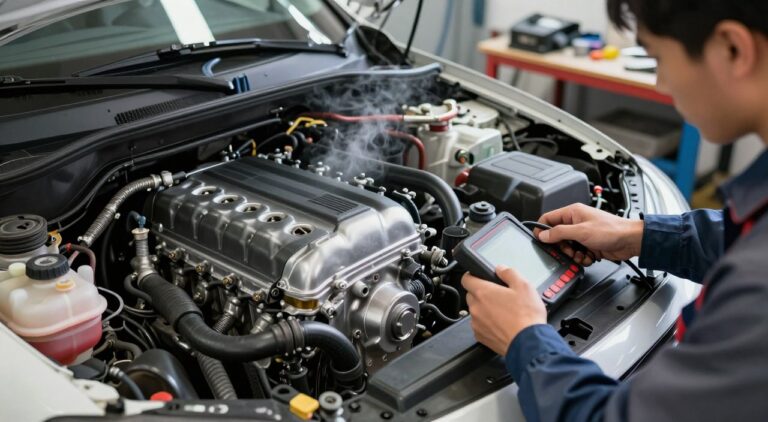
The water pump keeps your vehicle cooling system running right. If it starts to fail, you might hear strange noises. You might also see coolant leaking under the pump.
Radiators are key for cooling your car. Look for bent fins, rust, or leaks. A dry, crusty look on the radiator can mean a slow leak.
«A well-maintained cooling system is the best insurance policy against the most common and expensive engine failures.»
Monitoring Engine Temperature Gauges
Always check your dashboard temperature gauge while driving. The needle should stay in the middle. If it goes up, your cooling system is in trouble.
- Sudden spikes: Often indicate a stuck thermostat or a major air pocket.
- Gradual rise: Can suggest a failing water pump or low fluid levels.
- Fluctuating readings: Frequently point to electrical sensor issues or cooling fan failure.
Why Low Coolant Levels Require Immediate Attention
Ignoring low coolant levels is very risky. It can cause catastrophic engine failure. Without enough coolant, your engine can get too hot and break.
If you keep adding coolant, you have a leak. Fixing these car cooling system problems fast keeps your engine safe. A good vehicle cooling system is key to keeping your car running well.
Safety Precautions When Handling Automotive Fluids
I always put safety first when I work on my car. This includes the cooling and air conditioning systems. It’s important to follow safety rules to avoid accidents and protect the environment.
The Dangers of Toxic Engine Coolant
Engine coolant, or antifreeze, is very harmful. It can hurt people, pets, and animals outside. If spilled, it’s crucial to clean it up fast to keep everyone safe.
Proper Disposal Methods for Automotive Chemicals
I never dump used coolant or other fluids down the drain. It can harm our water and the environment. Instead, I put it in a sealed container and take it to a authorized recycling center.
When to Seek Professional AC Repair Services
While I like to do some checks myself, some jobs need a pro. If there’s a big electrical problem or damage inside, I call a ac repair service. It’s safer and follows the rules.
| Task Type | DIY Suitability | Professional Requirement |
|---|---|---|
| Visual Inspection | High | Low |
| Fluid Level Check | High | Low |
| Refrigerant Recharge | Low | High |
| System Diagnostics | Medium | High |
Knowing when to get ac repair services is key. It keeps my car in good shape. Letting experts handle it means it’s done right and safely.
Preventative Maintenance Tips for Your Vehicle
I think keeping your car in good shape is key. By fixing problems early, you save money and avoid surprises. Taking care of your car keeps it safe and running well for a long time.
Regular HVAC Maintenance Tips for Longevity
To keep your car cool, follow some easy hvac maintenance tips. Run your AC for a few minutes every month, even in winter. This keeps seals working and stops leaks.
Also, change your cabin air filter once a year. A clean filter lets air flow better and stops dust. Regular checks keep your climate control working right.
Routine Checks for Cooling System Integrity
Doing ac unit maintenance regularly is crucial. Always check your coolant levels during oil changes. Look for leaks. Also, check your radiator hoses for damage.
If your engine temperature gauge goes up, don’t ignore it. Finding cooling problems early stops big engine damage. Watching your fluid levels helps protect your car.
Keeping Your Vehicle Drains Clear of Debris
Good hvac troubleshooting starts with checking your car’s drains. Leaves and dirt can block the evaporator drain tube. This can cause water to leak into your car.
Clear these drains when you wash your car. This lets water drain out safely. Use the table below to keep track of your car’s maintenance:
| Maintenance Task | Frequency | Importance |
|---|---|---|
| Cabin Air Filter | Every 12 Months | High |
| Coolant Level Check | Every Oil Change | Critical |
| Drain Tube Clearing | Every 6 Months | Medium |
| Hose Inspection | Every 12 Months | High |
Conclusion
Knowing the difference between safe water puddles and harmful engine leaks is key. Take a close look at the color, smell, and feel of any spill. This helps you understand what’s going on with your car.
Water from your air conditioner is okay. It’s just cooling your car. But, if you see bright, sweet-smelling liquid near the radiator or hoses, it’s a sign of trouble. You need to get it checked right away.
Don’t forget to check your driveway for leaks. This helps you catch problems early. Regular checks keep your car running well and keep you safe.
Now you know how to spot common leaks. Use this knowledge to take care of your car. This way, you’ll enjoy every drive without worry.
FAQ
How can I quickly distinguish between ac condensation vs coolant leak?
First, I use the paper test. I put white cardboard under the drip. If it’s clear and smells good, it’s just AC condensation.If it’s green, orange, or pink and smells sweet, it’s a coolant leak. This needs quick attention.
Why is my vehicle cooling system dripping fluid near the passenger side?
A puddle near the passenger-side firewall is often from the AC evaporator drain. It pulls moisture from the air.If it’s just water, it’s normal. But colored puddles might mean a bigger problem.
What are the primary signs that I am facing car cooling system problems?
Watch for colored puddles and the dashboard temperature gauge. If the gauge needle moves or goes up, it could mean trouble.Ignoring these signs can cause the engine to overheat. So, I check for leaks right away.
Can I perform my own hvac troubleshooting if I notice water inside the cabin?
Yes, I check for clogs myself. If water is in the floorboards, the drain tube might be blocked.Regular maintenance helps keep these areas clear. But if the fluid feels oily or smells like coolant, it might be a heater core leak. This needs a pro.
What should I do if I find a slippery, colored fluid during my ac unit maintenance?
If it feels oily, it’s likely coolant or refrigerant oil. These leaks are toxic, so clean them up fast.Look for the source along the radiator hoses. If it’s from a pressurized line or compressor, get a certified technician.
How does humidity affect the amount of AC condensation my car produces?
In humid places like Florida, my car makes bigger puddles. This is normal. The AC works harder to dry the air.This isn’t a cooling system problem. It stays the same no matter the humidity.
What are some essential hvac maintenance tips to prevent future leaks?
Keep the area under your windshield clean. This stops debris from getting into the HVAC system.Also, check all hoses and the cooling system during oil changes. Catching small cracks early prevents big leaks.