Signs of Contaminated Brake Fluid Every Driver Must Know
I’ve spent years under the hood. I’ve seen how ignoring your car’s brakes can lead to catastrophic failure. When your car can’t stop well, it’s often because of something inside.
In this guide, I’ll show you how to spot signs of contaminated brake fluid. I want to help you catch these problems early. This way, you can avoid big repair costs.
Knowing how your car’s system works helps you stay ahead. By being careful, you make sure your car stops right when you need it to.
Key Takeaways
- Old hydraulic liquid absorbs moisture, which lowers the boiling point and reduces stopping efficiency.
- Dark or murky colors in the reservoir indicate that it is time for a professional flush.
- A soft or «spongy» pedal feel is a primary indicator of air or moisture buildup.
- Ignoring these warning indicators can lead to total system failure and dangerous driving conditions.
- Regular maintenance saves money by preventing corrosion within your master cylinder and calipers.
Understanding the Role of Brake Fluid
Brake fluid is a key part of your car’s safety. It helps turn your foot pressure into brake power. Without it, your car can’t stop safely.

Why Brake Fluid is Essential for Hydraulic Systems
Your car uses a hydraulic system to make your pedal pressure strong. When you press down, the fluid goes to the brakes. This makes stopping fast and easy.
The fluid also handles the heat from braking. If it can’t, your brakes won’t work right. Keeping the fluid good is key for safe stops.
The Hygroscopic Nature of Brake Fluid
Brake fluids are hygroscopic. They soak up moisture from the air. Water can get into the system through tiny holes.
More moisture makes the fluid boil easier. Boiling creates bubbles that make the pedal feel soft. Also, water harms the metal parts, leading to costly fixes.
| Property | Impact on Safety | Maintenance Requirement |
|---|---|---|
| Incompressibility | Ensures immediate stopping power | Check levels monthly |
| High Boiling Point | Prevents brake fade in heat | Flush every 2 years |
| Hygroscopic Nature | Absorbs water, causing corrosion | Test for moisture annually |
Primary Signs of Contaminated Brake Fluid
It’s important to know the signs of contaminated brake fluid for your safety. Many drivers forget to check the reservoir. But it’s key to the health of your brakes. Regular checks can help you spot problems early.

Discoloration and Darkening of the Fluid
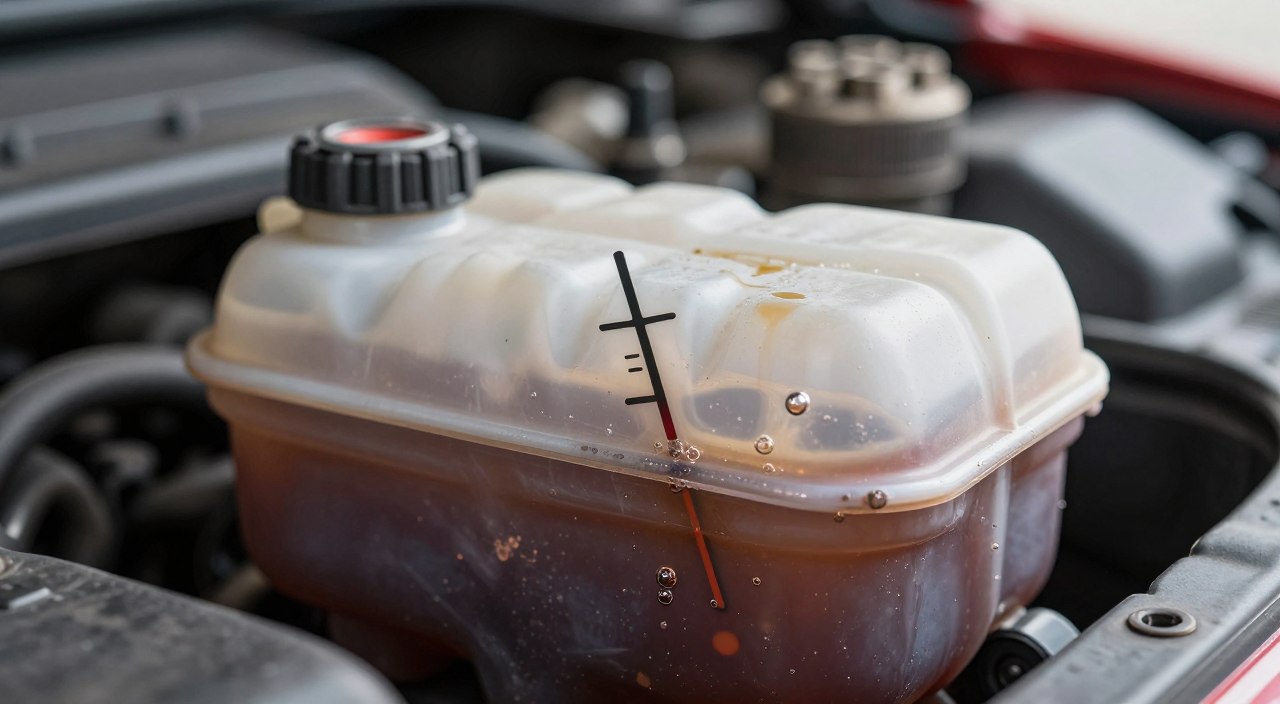
Fresh brake fluid is clear or light amber. If it turns dark brown or black, it’s bad. This means the fluid has broken down from heat.
Cloudy or opaque fluid is a warning. Clear fluid means everything is good. But dark fluid means it’s time to act fast.
Presence of Sediment or Debris in the Reservoir
You might see small particles in the reservoir. These come from broken-down rubber and hoses. If ignored, they can block your ABS system.
A clean reservoir keeps your brakes working. If you see debris, flush the system right away. It’s easier to prevent clogs than fix a broken ABS module.
Unusual Odors Emitting from the Master Cylinder
Your nose can help diagnose brake issues. A burnt smell from the master cylinder means the fluid is too hot. This is a sign the fluid is failing to protect against heat.
Be alert to strange smells when checking your car. If the fluid smells bad, get it checked by a pro. These smells can mean your brakes won’t work as well soon.
| Condition | Visual Appearance | Recommended Action |
|---|---|---|
| Healthy Fluid | Clear or Light Amber | Monitor regularly |
| Mild Contamination | Dark Yellow or Tan | Schedule a flush soon |
| Severe Contamination | Dark Brown or Black | Immediate replacement required |
| Debris Present | Cloudy with Sediment | System flush and inspection |
Visual Inspection Techniques
Looking at the brake fluid reservoir is a great way to find early signs of trouble. By knowing contaminated brake fluid indicators, you can fix problems before they get worse.
Locating the Brake Fluid Reservoir
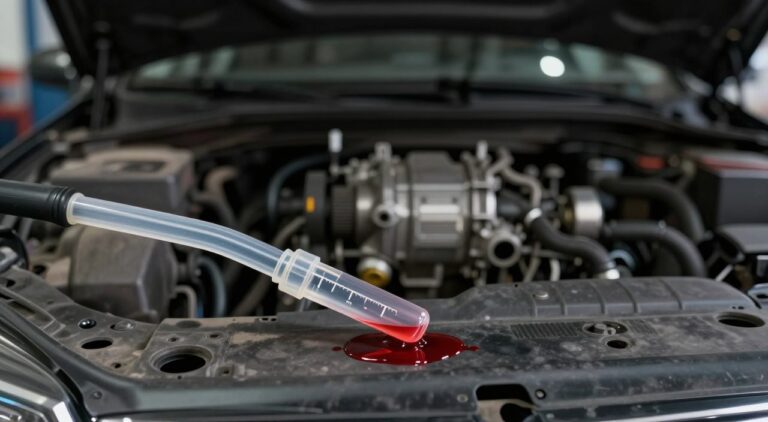
Start by opening your car’s hood and looking at the back of the engine. The brake fluid reservoir is usually on the driver’s side, near the firewall. It’s attached to the master cylinder.
The reservoir is a clear plastic container. You can see the fluid level without removing the cap. Make sure your car is parked on level ground for an accurate reading.

Cleaning the Reservoir Cap Before Opening
Before opening the reservoir, clean the cap and area around it. Dirt, dust, or road grime can fall into the system when you open it.
Contamination harms hydraulic systems. Use a clean, lint-free rag to wipe away all dirt. This step prevents harmful particles from getting into your brake lines.
Assessing Fluid Clarity and Color
After cleaning, open the cap to check the fluid. Fresh brake fluid is clear or light yellow. Bad fluid turns dark brown or black.
To check, dip a clean white cloth or paper towel into the reservoir. Compare it to a clean surface. If the fluid is murky or has sediment, it’s time for a professional flush.
How to Perform a Brake Fluid Moisture Test
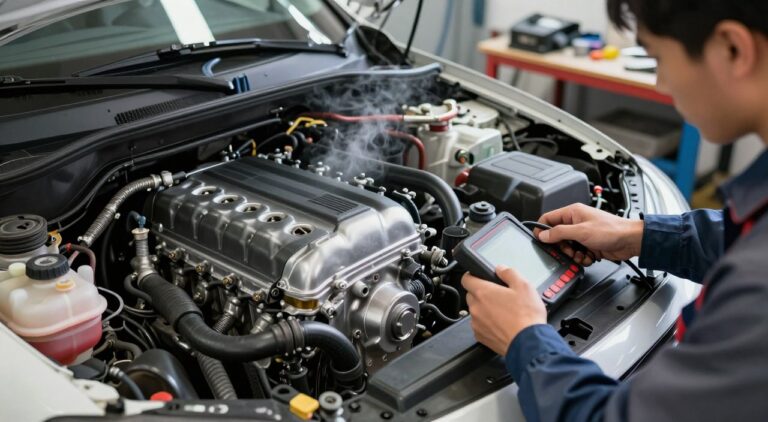
Looking at brake fluid is not enough. Detecting contaminated brake fluid needs a scientific way. I use an electronic moisture tester pen for a clear reading.

Using a Brake Fluid Moisture Tester Pen
This tool is small and easy to use. It fits in your glove box. To start, just open the reservoir cap and dip the probes into the fluid.
The tester shows how much water is in the fluid. It’s quick and tells you if the brake fluid is bad. This way, you avoid problems before they start.
Understanding Moisture Percentage Thresholds
Brake fluid pulls moisture from the air. You should change the fluid when it hits 3% to 4% moisture. Too much moisture can make the fluid boil too soon.
Tracking these levels is key for safety. If the tester shows more than 3%, get your brakes checked fast. Waiting can be dangerous, like during sudden stops.
Interpreting Test Results for Safety
The tester shows its findings with lights. Green means the fluid is good. But yellow or red means it’s time to act.
If the tester shows high moisture, act fast. Don’t wait to keep your brakes working right. Reading the tester’s signals helps keep you safe on the road.
Interpreting Changes in Pedal Feel
The way your brake pedal feels is key to knowing if your brakes are working right. You should feel a strong push back when you press the pedal. If this feeling changes, it could mean your brake fluid is bad.
The Feeling of a Spongy or Soft Brake Pedal
A spongy or soft pedal means air or water is in your brake lines. Water lowers the boiling point of brake fluid. When you brake hard, this water turns to steam, making your brakes feel soft.
Increased Pedal Travel Before Engagement
Pushing the pedal all the way down before the car slows down is a bad sign. This happens when dirt gets in the way of your brakes working well. Keeping an eye out for these signs is important for your safety.
Sudden Pedal Drop During Emergency Braking
If the pedal drops suddenly when you brake hard, it’s very dangerous. This usually means the brake fluid has boiled, losing all pressure. Never ignore this sign and get your brakes checked right away.
| Pedal Sensation | Likely Cause | Safety Risk |
|---|---|---|
| Spongy/Soft | Moisture/Air in lines | Moderate |
| Increased Travel | Fluid degradation | High |
| Sudden Drop | Boiling fluid/Failure | Critical |
Identifying Contamination Through Brake Performance
The way your car stops tells you a lot about the fluid. Looking at the fluid is good, but how the pedal feels is even better. When the fluid gets bad, your brakes don’t work right.
Reduced Stopping Power in High-Heat Conditions
Brake fluid is made to handle very hot temperatures. But, if it gets wet, it can’t handle heat as well. This makes it boil when you brake hard, creating bubbles.
«A compromised boiling point is the silent enemy of hydraulic safety, turning a reliable pedal into a source of uncertainty during critical stops.»
Brake Fade During Extended Downhill Driving
Driving down steep hills can be scary. The brakes get hot and the fluid gets weak. This makes it hard to stop the car.
- The pedal feels soft or spongy under your foot.
- You must press the pedal much further to achieve the same deceleration.
- The vehicle takes longer to come to a complete stop than it did previously.
Delayed Response Times in Hydraulic Actuation
When the pedal feels slow to respond, it’s a bad sign. This means the system is not working right. If this happens, get your brakes checked by a pro.
Step-by-Step Guide to Checking Fluid Levels
Checking brake fluid levels is key to keeping my car safe. I do this often to make sure my car is ready to go. I also watch for spotting contaminated brake fluid to catch big problems early.
Preparing Your Vehicle for Inspection
I always park my car on perfectly level ground before checking. This makes sure I get the right reading. I also wait until the engine cools down to avoid burns or pressure issues.
Opening the Reservoir Safely
When the engine is cool, I find the brake fluid reservoir. It’s usually by the back of the engine on the driver’s side. Before opening, I clean the reservoir and cap to keep it clean.
Comparing Fluid Levels Against Minimum and Maximum Marks
Most cars have a clear reservoir, so I can see the fluid level without opening it. I look for «MIN» and «MAX» lines. If it’s below MIN, I need to add more or get it checked.
Here’s what I check when I look at my brake fluid reservoir:
| Condition | Observation | Recommended Action |
|---|---|---|
| Fluid at MAX | Optimal level | No action needed |
| Fluid at MIN | Low level | Top up with correct fluid |
| Below MIN | Potential leak | Seek professional repair |
| Dark/Cloudy | Contaminated | Flush the entire system |
By following these steps, I keep my brakes in top shape. Regular checks help me avoid big problems and keep my car running smoothly.
Safety Precautions When Handling Brake Fluid
Brake fluid is a strong chemical that needs care. It’s important to know how to spot brake fluid contamination. But first, make sure you’re safe before you start.
This fluid can hurt your body if it touches you. It’s very corrosive.
Protecting Your Skin and Eyes from Corrosive Fluid
I always wear nitrile gloves and safety goggles near the master cylinder. Brake fluid can splash or drip. It’s bad if it gets in your eyes or on your skin.
If fluid gets on your hands, wash it off fast. Use lots of soap and water to avoid burns.
Preventing Paint Damage from Spills
You also need to protect your car’s paint. Brake fluid can strip paint off quickly. Keep a clean rag or towel near the reservoir to catch spills.
If you spill brake fluid, clean it up right away. Use water to stop it from damaging your car’s paint.
Proper Disposal of Used Brake Fluid
Don’t throw used brake fluid down the drain or on the ground. It’s bad for water and the environment. Put it in a sealed container and take it to a certified recycling center or an auto parts store.
By doing this, you keep your car safe and help the planet. Remember, recognizing brake fluid contamination is key to safe car care.
When to Flush and Replace Your Brake Fluid
Drivers often forget the importance of brake fluid flushes until they have a problem. Proactive maintenance helps your car stop safely. Catching brake fluid contamination early can save you money on repairs.
Manufacturer Recommended Service Intervals
Most car makers say to flush brake fluid every two to three years. This is because fluid absorbs moisture over time. Even if you don’t drive much, fluid still gets damaged by the environment.
Check your owner’s manual for the right time for your car. Following the factory’s advice keeps your brakes working well and safe from moisture damage.
Signs That a Full System Flush is Required
There are clear brake fluid condition warning signs when you need a flush. If the brake pedal feels soft or spongy, it’s time for a change. Also, if the fluid in the reservoir looks dark or cloudy, it’s bad.
Don’t ignore these signs. They mean the fluid can’t handle heat well anymore. A full flush will replace old fluid with new, better one.
The Importance of Using the Correct Fluid Type
It’s very important to use the right DOT-rated brake fluid. Using the wrong type can damage your car’s brakes. Always check the reservoir cap for the correct rating before adding new fluid.
| Fluid Type | Boiling Point | Service Interval |
|---|---|---|
| DOT 3 | Lower | 2 Years |
| DOT 4 | Higher | 2 Years |
| DOT 5.1 | Highest | 3 Years |
Common Causes of Brake Fluid Degradation
Finding out why brake fluid fails is key to keeping your car running well. Many drivers just check the pedal feel. But, spotting contaminated brake fluid early needs knowing how it breaks down.
Heat Cycles and Thermal Breakdown
Every time you press the brake pedal, it gets hot. This heat and cool-down cycle stresses the fluid. Over time, the fluid’s chemicals start to fail, affecting how well it works.
Seal Wear and Internal Contamination
Your brakes have rubber seals that keep pressure in. As these seals get old, they wear out. This lets tiny rubber bits and debris get into the fluid, showing it’s contaminated.
- Seal degradation: Small rubber bits circulate through the lines.
- Internal friction: Metal-on-metal contact creates tiny metallic shavings.
- Fluid cloudiness: Debris often turns clear fluid into a murky, dark mixture.
Environmental Factors and Humidity Exposure
Brake fluid pulls in moisture from the air. If you live in a humid or rainy area, your brakes are more at risk. This moisture can make the fluid boil too easily, causing brakes to fail.
Knowing these common problems helps you take better care of your car. Being proactive keeps you safe on the road. Remember, spotting contaminated brake fluid early is what a good car owner does.
Tools Needed for Detecting Contaminated Brake Fluid
I keep a few tools in my garage to check brake fluid easily. You don’t need a mechanic to keep your car safe. The right tools help you avoid expensive repairs.
Essential Diagnostic Equipment for DIYers
I use a digital moisture tester pen often. It shows water in the fluid. I also have copper-content test strips for chemical checks.
These tools help me spot brake fluid problems early. I keep a clean rag and a small funnel to avoid spills. These make testing easier and cleaner.
Choosing Reliable Testing Strips and Pens
I look for accurate and easy-to-use testers. Make sure they match your car’s DOT rating. Good products have clear instructions and color charts.
Stay away from unbranded testers. Buy from known brands for better results. Quality tools give you true readings.
Maintaining Your Brake Maintenance Toolkit
Keep your tools dry and cool to avoid damage. Replace test strips before they expire. This keeps them working well.
Organize your tools in a box for easy access. A clean and ready toolkit helps you check brake fluid often. This keeps your car safe and reliable.
| Tool Type | Primary Function | Ease of Use | Accuracy Level |
|---|---|---|---|
| Moisture Tester Pen | Measures water content | Very High | High |
| Copper Test Strips | Checks additive health | Moderate | Very High |
| Refractometer | Precise boiling point | Low | Professional |
Conclusion
Looking after your hydraulic braking system is key. It keeps you safe and your car running well. Checking the fluid often stops big problems and saves money.
Make these simple checks part of your car care routine. Tools from Prestone or Bosch give you a clear view of your brake fluid’s health. This way, you can catch issues early and avoid big breakdowns.
By checking your brakes regularly, your car will always be ready for you. Share your car care tips with others or ask questions about tools. Keeping your brakes in good shape makes every drive safer and more enjoyable.
FAQ
How can I tell if my brake fluid is bad just by looking at the reservoir?
Look for color and clarity changes. Fresh brake fluid is clear or light amber. If it’s dark brown or black, it’s bad.Seeing murky fluid means it has moisture or debris. This can harm your master cylinder.
What are the most common brake fluid contamination symptoms I’ll feel while driving?
A soft brake pedal is a big sign. If you have to pump the brakes, it’s a problem.Moisture in the fluid boils when you brake. This creates gas bubbles that make the pedal feel soft.
What are the most reliable contaminated brake fluid indicators for a DIY inspection?
Look for sediment at the bottom of the reservoir. It shows wear inside.A burnt smell means the fluid has broken down. Use moisture test strips or an electronic tester for water content.
What is the most effective method for detecting contaminated brake fluid at home?
Use a digital brake fluid moisture tester pen. It shows the water percentage in the fluid.If it shows more than 3% moisture, flush the fluid right away. This prevents boiling at dangerous levels.
Are there specific signs of deteriorated brake fluid that affect stopping distance?
Yes, brake fade is a danger sign. If your brakes don’t work as well, the fluid is failing.This failure means your brakes can’t clamp properly. It’s a big safety risk.
How do I go about recognizing brake fluid contamination before a total system failure occurs?
Check the fluid every time you change your oil. Look for a milky appearance, which means high water content.If the fluid level drops without leaks, it’s bad. This means the fluid’s integrity is compromised.
What are the critical brake fluid condition warning signs I should never ignore?
A lit brake warning light is a big sign. A sudden drop of the pedal during a stop is also a warning.Grinding or buzzing from the ABS pump means dirty fluid. It’s struggling to move through the valves.
Why is it so important to know how to tell if brake fluid is bad in high-performance vehicles?
High-performance cars generate a lot of heat. Knowing if brake fluid is bad is crucial.These cars need special fluids that can handle high heat. Bad fluid can damage the seals and make braking unsafe.
Can I just top off the reservoir if I see signs of contamination?
No, don’t just top off the reservoir. It won’t fix the problem. It just mixes the contaminants with the new fluid.For a fix, you need to flush the system. This removes all the old fluid and replaces it with new, clean fluid.