Brake Warning Light on Dashboard Causes and Solutions
Ever been driving and a light suddenly shows up? A brake warning light on dashboard can worry you. But, it’s key to stay calm.
In this guide, I’ll explain why this light might turn on. I aim to give you actionable steps. This will help you figure out if it’s a small issue or a big problem.
By following these tips, you’ll understand your car better. I want you to feel sure about what to do next. This could mean stopping safely or going to a service center.
Key Takeaways
- Know the difference between a small error and a big problem.
- See why you must act fast when a light comes on.
- Learn the basic steps to take when you see an alert.
- Find out how to check your car’s health without special tools.
- Know when to call for help to keep yourself safe.
Understanding the Brake Warning Light on Dashboard
When I see a light on my dashboard, I know it’s important. Cars have dashboard warning lights to tell me about problems. It’s crucial to understand what each light means.

What the Brake Light Symbol Represents
The brake light dashboard meaning is clear but can mean different things. It warns about the brakes. If it stays on, it might mean:
- The parking brake is still on or not fully off.
- The brake fluid level is too low.
- There’s a big problem with the brake lines.
This light is a warning before I lose stopping power. It helps me fix small problems before they get big.
Differentiating Between Brake and ABS Warning Lights
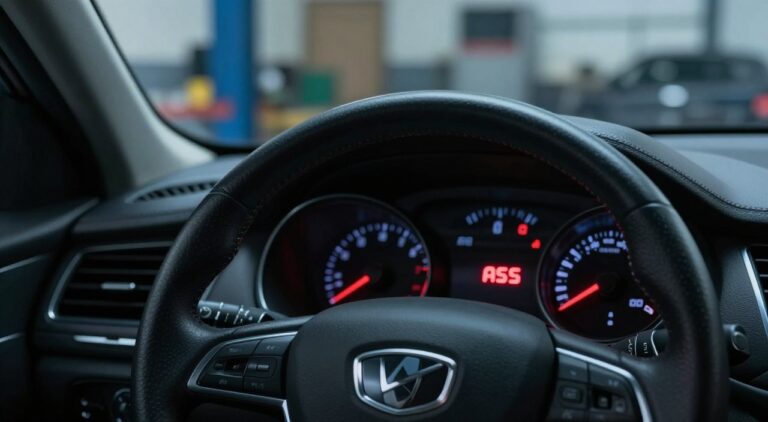
It’s easy to mix up the brake light with the ABS light. But they mean different things. The brake light says «BRAKE» or has a red circle with an exclamation point. It warns of a brake problem.
The ABS light shows «ABS» in a circle. It tells me the anti-lock system has a problem. This means I might not brake as well on slippery roads.
Immediate Safety Steps When the Brake Light Illuminates
Seeing a warning light while driving is scary. When the dashboard brake light turns on, keep calm and control your car. Find a safe place to stop.

Pulling Over Safely to the Shoulder
Wondering what to do brake light on? First, signal to other drivers. Slowly move to the shoulder or a safe spot. Don’t make sudden lane changes.
When you stop, put your car in park and use the emergency brake if you can. Turn on your hazard lights. Your safety is the most important thing right now.
Testing Brake Pedal Feel and Responsiveness
Before turning off the engine, check the brake pedal. If it feels soft or goes all the way down, your brakes might not work right. This is a big problem.
If the pedal feels firm but the light is still on, it could be a sensor or a small fluid issue. But don’t drive. It’s safer to stop than to risk not being able to stop.
Avoiding High-Speed Driving During Emergencies
Don’t drive fast when the dashboard brake light comes on. You might not stop in time. Driving fast can make things worse.
If you must move, go slow and keep a safe distance from others. Knowing what to do brake light on means your car is not working right. Always go slow and carefully until a pro checks it.
Checking Your Parking Brake Status
Often, a glowing warning light means your parking brake is still on. If you see a dashboard brake light on, check your parking brake first. Don’t jump to conclusions yet.

Verifying the Parking Brake Lever Position
For cars with a manual hand lever, make sure it’s all the way down. Sometimes, a mat or object can block it.
Look at foot-operated parking brakes too. Make sure the pedal is up high. If it feels loose or won’t go up, it might be stuck.
Troubleshooting a Stuck Electronic Parking Brake
Modern cars have electronic parking brakes (EPB). If it won’t release, the dashboard brake light might stay on. This is even after you press the release button.
- Make sure your foot is on the brake pedal when trying to release the EPB.
- Check your car’s battery voltage. Low power can stop the motor from moving.
- Look in your owner’s manual for how to release it in an emergency.
Why a Partially Engaged Brake Triggers the Sensor
The system has a small switch near the parking brake. It checks if the brake is on. If it is, the switch sends a signal to your dashboard.
This safety feature stops you from driving with the brakes on. It protects your brake pads and rotors from damage. Make sure the brake is off to clear the dashboard brake light on warning.
Inspecting Brake Fluid Levels and Reservoir
If you see the dashboard brake light on, your car might need more fluid. This light means your brakes are not working right. Proactive maintenance keeps your car safe on the road.

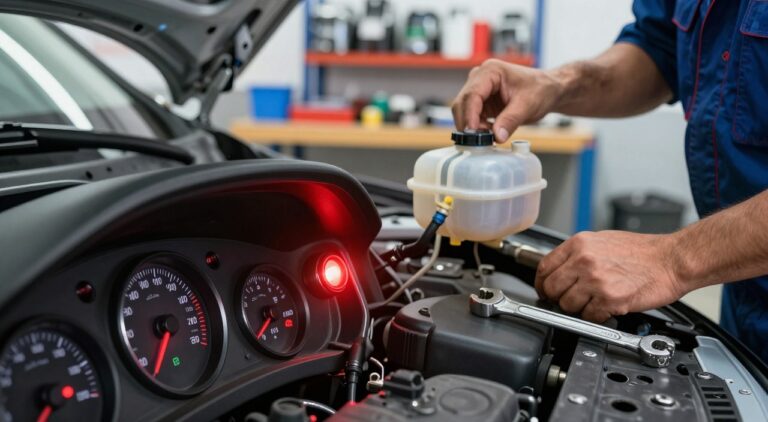
Locating the Brake Fluid Reservoir Under the Hood
First, open the hood and look for the reservoir. It’s near the engine, on the driver’s side. You’ll see lines for «MIN» and «MAX» to check the fluid level.
Identifying Low Fluid Levels and Potential Leaks
Check the fluid level if the dashboard brake light on stays on. A low level means your brakes might need fixing. Look for wet spots around the wheels for leaks.
«An ounce of prevention is worth a pound of cure, when it comes to your car’s brakes.»
Selecting the Correct Brake Fluid Type for Your Vehicle
Don’t guess the right fluid for your car. Check your manual or the reservoir cap. Using the wrong fluid can harm your car.
Safety Precautions When Handling Brake Fluid
Brake fluid can damage your car’s paint. Wear gloves and eye protection. If the dashboard brake light on, handle it carefully and clean spills right away.
Identifying Worn Brake Pads and Rotors
Your car’s brakes give hints before they fail. When brake pads wear out, the brake fluid level goes down. This makes the brake light warning signs on your dashboard light up. Spotting these signs early keeps you safe.
Recognizing Audible Squealing or Grinding Noises
Modern brake pads have a metal tab. It squeals when the pad gets thin. If you ignore it, the sound turns to a loud grinding. This means the pad is rubbing against the rotor, causing damage.
«An ounce of prevention is worth a pound of cure when it comes to your vehicle’s safety systems.»
Visual Inspection of Brake Pad Thickness
Look through your wheel spokes to see the brake pads. If they’re thinner than a quarter, replace them. Make sure your car is parked on level ground and the engine is off before checking your brakes.
Signs of Warped Rotors and Uneven Wear
Warped rotors make your brake pedal vibrate when slowing down. This can happen from heat or uneven wear. Look for these signs:
- Deep grooves or scoring marks on the rotor surface.
- Blue or discolored metal showing extreme heat.
- Big differences in thickness between the inner and outer pads.
Fixing these brake light warning signs quickly stops your brakes from getting worse. Regular checks keep your car stopping well and save you money.
Troubleshooting Faulty Brake Sensors and Wiring
Sometimes, a glowing dashboard light is not due to a mechanical problem. It might be an electrical issue. If your brakes look fine, you might need to check the electrical system. Finding these small problems early can save you a lot of trouble and money.
Locating the Brake Fluid Level Sensor
The brake fluid level sensor is usually found on the brake fluid reservoir under your hood. It’s a small plastic part with wires attached. You can spot it by following the wires to the main wiring harness.
Testing for Corroded or Damaged Wiring Harnesses
After finding the sensor, check the wires for damage. Engine heat and vibrations can harm the wires. Look for signs like:
- Green or white powdery residue on the connector, which means corrosion.
- Exposed copper wire from rubbing against metal.
- Loose or disconnected plugs that have come loose.
Cleaning Sensor Contacts to Resolve False Positives
If you see corrosion on the terminals, cleaning can fix it. Use an electrical contact cleaner spray to remove oxidation safely. Here’s how to clean properly:
- Disconnect the electrical plug from the sensor carefully.
- Spray a small amount of electrical contact cleaner into both the plug and the sensor port.
- Let the cleaner dry completely before reconnecting the plug.
By doing this simple brake warning light troubleshooting, you can often fix false positives. If the light stays on, the sensor might need to be replaced.
Addressing Anti-lock Braking System (ABS) Conflicts
Seeing a brake light dashboard flashing can be really annoying. It’s even worse when the Anti-lock Braking System (ABS) is involved. Many people think it’s just about low fluid or worn pads. But, the ABS is often a big part of the problem.
How ABS Malfunctions Affect the Brake Light
When your car’s ABS module fails, it turns on the main brake light. This is because the ABS and regular brakes talk to each other about speed and pressure. If the computer can’t check if the ABS is working, it turns on the main light for your safety.
Interpreting ABS Diagnostic Trouble Codes
To fix the brake warning light, you need an OBD-II scanner. It shows specific codes that tell you what’s wrong. Like a bad pump motor or a communication problem. These codes help figure out if it’s a simple problem or something bigger.
| Diagnostic Code | Common Meaning | Recommended Action |
|---|---|---|
| C0035 | Left Front Wheel Speed Sensor | Inspect wiring and sensor |
| C0040 | Right Front Wheel Speed Sensor | Clean sensor or replace |
| C0045 | Left Rear Wheel Speed Sensor | Check for debris or damage |
| C0050 | Right Rear Wheel Speed Sensor | Verify electrical connection |
Common Causes of Wheel Speed Sensor Failure
The wheel speed sensors are near the wheels. So, they get hit by road debris, moisture, and extreme weather. Checking these parts for damage or rust helps avoid sudden warnings.
Evaluating Master Cylinder and Hydraulic System Issues
If your brake light is flashing, your hydraulic system might be having trouble. The master cylinder is key to your brakes. It turns your foot’s pressure into hydraulic pressure. If it fails, you’ll see brake light warning signs that need quick action.
Symptoms of a Failing Master Cylinder
A failing master cylinder is hard to ignore. A soft or spongy pedal is a big sign. You might also see the pedal sink slowly while stopped.
- A pedal that feels unusually soft or spongy underfoot.
- The brake pedal slowly sinking toward the floorboard.
- Noticeable loss of brake fluid without visible external leaks.
- Inconsistent braking performance during normal driving conditions.
Checking for Internal Leaks in the Hydraulic Lines
Internal leaks are very dangerous. They happen inside the master cylinder. You won’t see fluid leaking outside.
To find these leaks, do a static pressure test. If the pedal feels firm at first but then gets soft, seals are worn. This means you need to replace the master cylinder right away.
The Importance of Bleeding the Brake System
Air in your brake lines is bad. It makes the pedal feel mushy. Bleeding the system gets rid of this air and replaces old fluid with new.
Bleeding is a must after any brake repair. It makes your pedal feel firm and safe. This ensures your car stops well when you need it to.
Resetting the Dashboard Brake Light After Repairs
You fixed your brakes, now let’s deal with the dashboard warning lights. Even with a good fix, your car’s computer might still show an error. It’s important to clear these lights to make sure your car is safe to drive.
Performing a Manual System Reset
For older cars, a simple reset can work. Try disconnecting the car battery for 15 minutes. This makes the computer forget the error and check again.
For some cars, just turn the key to «on» without starting. Then press the brake pedal hard a few times. This might make the light go away.
Using an OBD-II Scanner to Clear Error Codes
Modern cars need a more advanced fix. An OBD-II scanner is the best tool to find and clear codes. Just plug it into the port under your dashboard.
The scanner shows any codes, like those for the brakes. Choose «clear» or «erase» to remove them. Make sure the problem is fixed before clearing codes, or the light will come back.
Driving Cycles Required to Clear Persistent Lights
Some cars check themselves while you drive. The light might go off after a certain driving cycle. This cycle includes city and highway driving to check the sensors.
The computer watches the pressure and sensor feedback. If everything looks good, it turns off the light. Be patient, it might take a few trips for the computer to say everything is okay.
When to Seek Professional Mechanic Assistance
Knowing when to ask for help is key when you own a car. Some things are too hard to fix at home. It’s important to know your limits when it comes to car repairs.
Recognizing When the Issue Exceeds DIY Capabilities
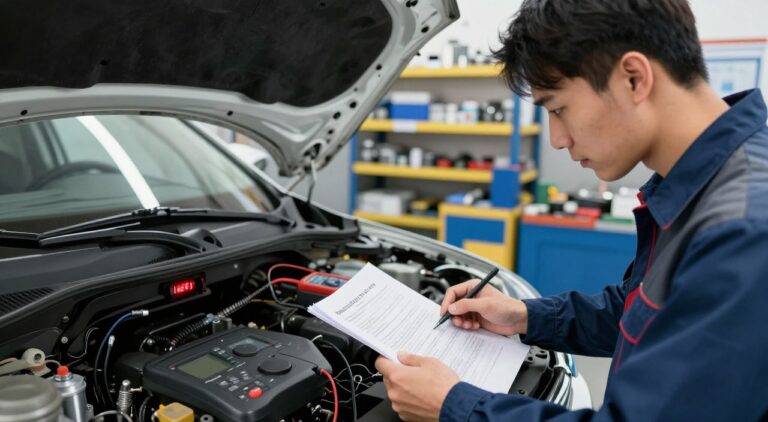
Get a pro if you don’t have the right tools or if it’s an electronic problem. Cars today have complex systems for brakes and stability. If you can’t find the problem, it’s time to call a certified mechanic.
Fixing hydraulic lines or ABS pumps without training is risky. These parts are crucial for your safety. If you’re not sure, it’s better to be safe than sorry.
The Risks of Ignoring Brake System Warnings
Don’t ignore a dashboard light. A small problem can turn into a big one fast. Not fixing it can risk your safety and others on the road.
Fixing brake light issues early can save your car’s parts. Driving with a warning light can lead to a brake failure. Don’t wait until it feels soft before acting.
Preparing Your Vehicle for a Professional Inspection
Get as much info as you can for your mechanic. Note when the light came on and any unusual sounds. This helps the mechanic find the problem faster.
Make sure your car is safe to drive before going to the shop. If the brakes don’t work right, get it towed. Being ready helps the mechanic fix your car faster.
Conclusion
Learning about brake light dashboard meanings helps you drive better. I want you to feel ready for any alerts on your dashboard.
Regular car checks are key to avoiding sudden problems. Every warning is your car’s way of telling you it needs help. Taking care of your car keeps it safe and ready for trips.
Watch how your car is doing closely. If you see the same problems, get help from experts at Toyota, Ford, or Honda. Your safety and the safety of your passengers matter a lot.
Write about your car’s checks in the comments below. Your stories help others feel more confident when they face car issues. Stay safe and keep your car in great shape for many happy trips.
FAQ
What is the most common reason for a brake warning light on dashboard to illuminate?
The most common reason is a partially engaged parking brake or low brake fluid. Always check the reservoir first. Look for the «Minimum» line. This often happens as brake pads wear down.
What to do brake light on situations occur while I am driving at high speeds?
Safety first. Pull over to the shoulder and avoid sudden braking. Check the brake pedal. If it feels «spongy» or sinks, it’s dangerous and you should call a tow truck.
What are the primary brake light warning signs that indicate mechanical wear rather than a sensor glitch?
Listen for squealing or grinding noises when you press the brake. These sounds mean the pads are worn out. This causes the fluid level to drop and the sensor to trigger.
What does it mean if I see my brake light dashboard flashing while the car is idling?
A flashing light means a serious problem with the ABS system. Use a scanner to find the problem. It could be a faulty sensor or a failing module.
How can I perform brake warning light troubleshooting for a potential sensor issue?
Find the fluid level sensor on the master cylinder reservoir. Check the wiring for damage. Clean the contacts with a special cleaner to fix false positives.
How to fix brake light dashboard issues after I have already topped off the fluid reservoir?
If adding fluid doesn’t work, check the parking brake switch. Sometimes, a stuck switch is the problem. Lubricating it can fix the issue.
Is the brake light dashboard meaning different from the ABS warning light?
Yes, the brake light is about the hydraulic system and fluid levels. The ABS light is about the electronic sensors and valves.
Why is my dashboard brake light on even though my car seems to be stopping normally?
A brake light on is a warning for a slow leak or a failing seal. Don’t ignore it. A sudden loss of power can happen fast.
How do I reset the system after completing a repair?
Use a diagnostic tool to clear error codes after a repair. Sometimes, a «driving cycle» is needed for the computer to confirm the repair.