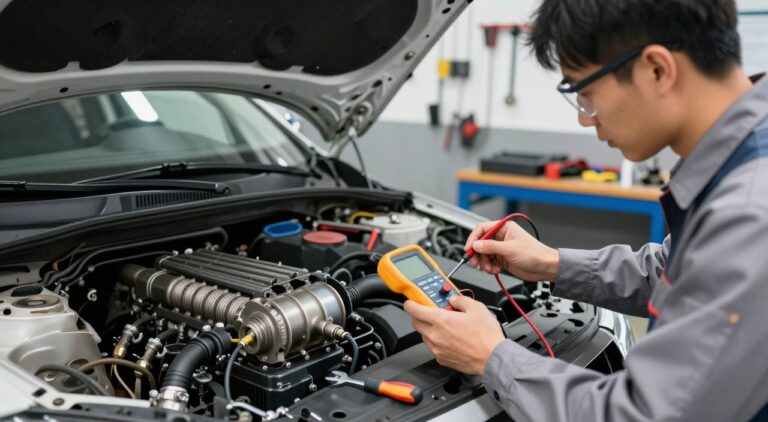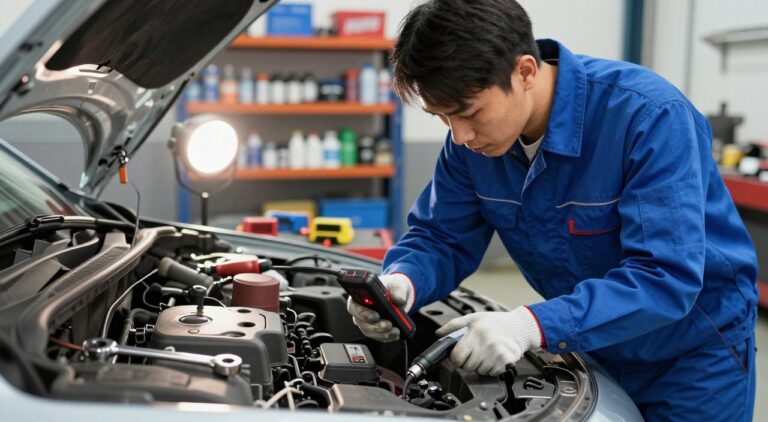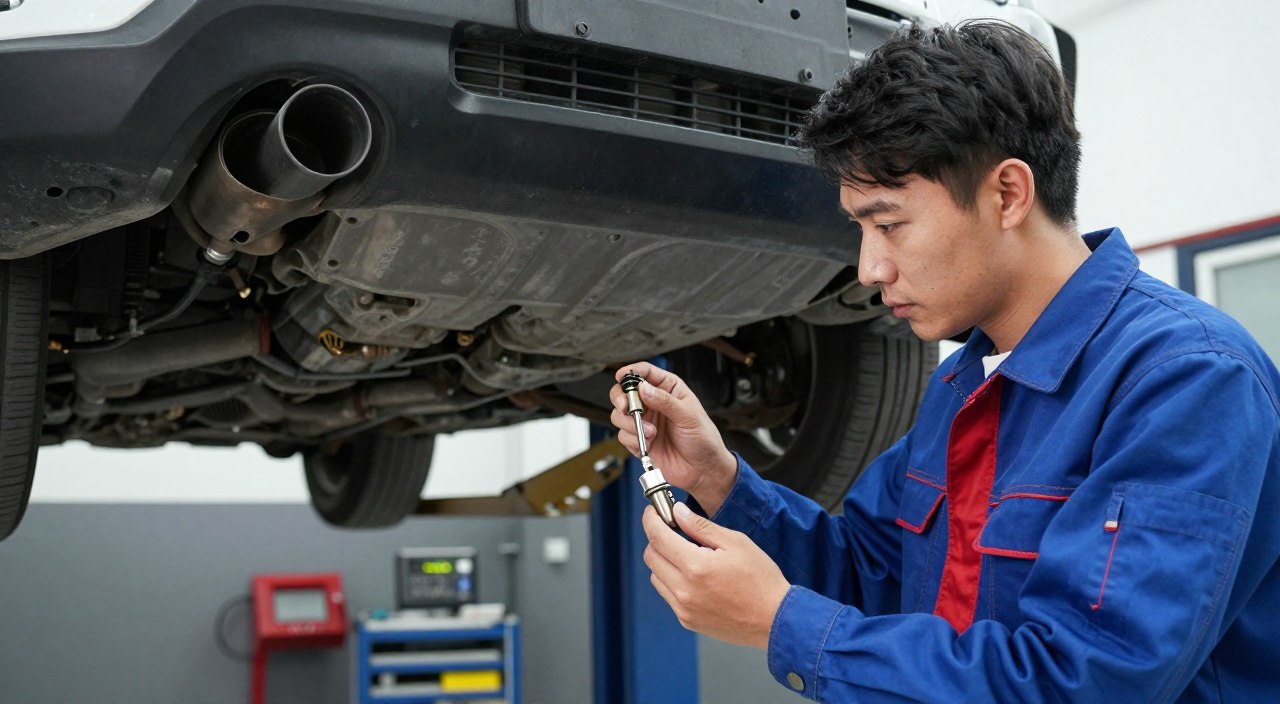
What causes P0420 code and common reasons to know
Drivers often get upset when their dashboard lights turn on. Seeing a check engine light means you might have a P0420 alert. This shows your car’s catalytic converter isn’t working right.
This is a common problem for car owners. Knowing what causes P0420 code is important. It affects your exhaust system and fuel use.
Not fixing this warning can hurt your engine or cause emissions tests to fail. I aim to explain the main reasons for p0420 code issues. Acting fast helps save money.
By the end of this guide, you’ll know how to find and fix the problem in your car. Let’s make your car run well again.
Understanding the P0420 Diagnostic Trouble Code
Drivers often feel confused by the P0420 code. But it’s easy to understand once you know how. Understanding p0420 code helps you avoid costly repairs. It lets you take care of your car better.
Defining the Catalyst System Efficiency Below Threshold Error
The P0420 code means your catalytic converter isn’t working right. It’s not cleaning exhaust gases as well as it should. This makes the check engine light come on, warning of emissions non-compliance.

How the Engine Control Module Monitors Emissions
Your car’s Engine Control Module (ECM) watches exhaust quality all the time. It uses two oxygen sensors for this. One is before the converter, and one is after.
The ECM checks if the converter is working by comparing these sensors. If the converter is good, the downstream sensor shows a steady reading. But if it starts to show the same ups and downs as the upstream sensor, the ECM knows the converter is failing. Understanding p0420 code is key for DIY car fixes.
The Role of the Catalytic Converter in Your Vehicle
I see the catalytic converter as a hero in cars. It makes sure the exhaust is less bad for the air.
Without it, cars would pollute more. It’s key for driving fast and being green.

Chemical Processes Inside the Converter
Inside, there’s a special structure with platinum, palladium, and rhodium. These metals help change bad gases into safe ones.
Hot exhaust gases go through tiny channels. In a split second, the metals make harmful gases safe.
«The catalytic converter is a masterpiece of chemical engineering, turning the toxic byproducts of combustion into harmless gases before they ever reach the tailpipe.»
Why Efficiency Matters for Environmental Compliance
Keeping the converter working well is important. It’s the law in the U.S. for environmental compliance.
Tests check if cars meet air quality rules. A bad converter means a car fails and pollutes more.
I make sure my car’s emissions system is good. It keeps the air clean and my car legal and reliable.
What causes P0420 code and common triggers
P0420 code triggers often come from mechanical issues, not just the catalytic converter. Knowing what causes P0420 code helps fix your car and avoid big repair costs. Fixing problems before they get worse can save you money.

Exhaust Leaks Before the Catalytic Converter
Leaks in the exhaust before the converter are common. These leaks let air into the exhaust. This makes the oxygen sensors think the converter is faulty, even if it’s not.
Engine Misfires and Their Impact on Catalyst Health
Engine misfires are a big common cause of P0420 code. When a cylinder doesn’t fire, raw fuel goes into the exhaust. This can damage the converter’s ceramic structure.
Fuel System Issues Leading to Rich or Lean Conditions
Your car’s fuel system needs to be just right for it to run well. If it’s too rich or too lean, it can cause p0420 code causes. A rich condition adds too much fuel, while a lean condition makes the engine run too hot. Both can harm the catalyst.
| Trigger Type | Primary Effect | Severity Level |
|---|---|---|
| Exhaust Leak | False Oxygen Reading | Moderate |
| Engine Misfire | Internal Catalyst Damage | High |
| Rich Fuel Mixture | Excessive Carbon Buildup | Moderate |
| Lean Fuel Mixture | Overheating Converter | High |
Identifying Symptoms of a Failing Catalytic Converter
It’s very important to spot early signs of a failing catalytic converter. This helps keep my car running well for a long time. When the converter starts to wear out, my car shows signs that it’s not working right.

Recognizing Poor Engine Performance and Acceleration
One big sign is if my car doesn’t go as fast as it used to. If it feels slow when I press the gas, it might mean the converter is clogged.
This clog makes it hard for the engine to breathe. My car might not go as fast or hesitate when I press the gas hard. This means the exhaust gases are stuck inside.
The Smell of Rotten Eggs and Exhaust Odors
A bad smell is another warning sign. If my exhaust smells like rotten eggs, it’s a sign the converter is not working right.
This smell happens when the converter can’t break down hydrogen sulfide. It’s a clear warning that the converter is not doing its job. This means I need to fix it fast.
Monitoring Decreased Fuel Economy
I also watch how much gas my car uses. A failing converter can make my car use a lot more gas. This is because the engine is not getting the right mix of fuel.
By watching how much gas I use, I can catch problems early. This helps avoid bigger issues with my car’s emissions system.
Step-by-Step Guide to Initial P0420 Diagnosis
Starting with p0420 code troubleshooting means getting data from your car’s computer. Don’t jump to expensive fixes without finding the real problem. A careful plan helps you fix things right and saves time.
Using an OBD-II Scanner to Retrieve Freeze Frame Data
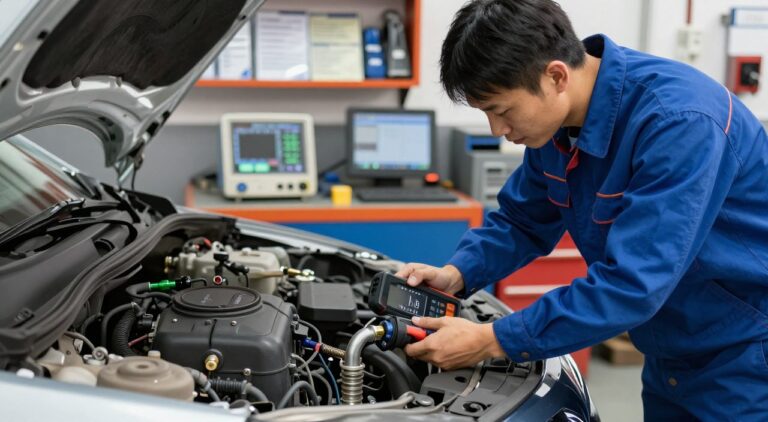
First, connect an OBD-II scanner to your car’s port. It grabs «freeze frame» data at the error light’s turn-on. Look for engine load, coolant temp, and fuel trim to see if it was running wrong.
Visual Inspection of the Exhaust System
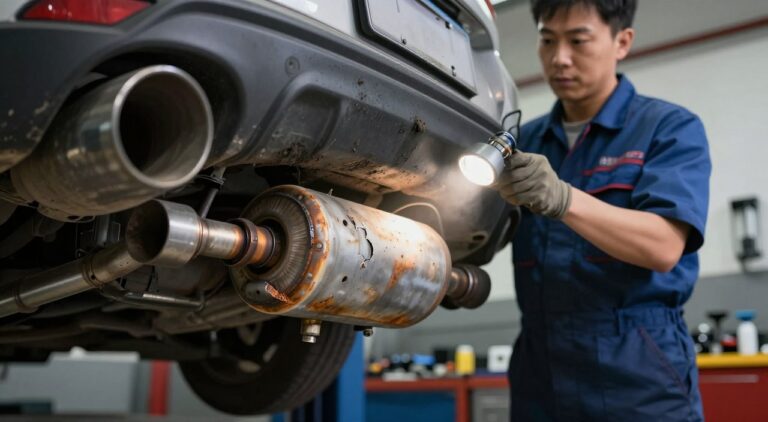
After getting the data, check the exhaust system closely. Look for damage, rust, or loose parts. A small crack can cause a false error code.
Checking for Vacuum Leaks and Intake Issues
Next, check for vacuum leaks and intake problems. A leak can mess up the air-fuel mix. Fixing these issues is key before replacing the converter.
| Diagnostic Area | Common Finding | Impact on System |
|---|---|---|
| Exhaust Piping | Visible Cracks | Oxygen Infiltration |
| Vacuum Lines | Dry Rot/Cracks | Lean Fuel Mixture |
| OBD-II Data | High Fuel Trim | Poor Combustion |
Testing Oxygen Sensors for Accurate Readings
A bad oxygen sensor can look like a failing catalytic converter. This can lead to costly repairs. Before spending a lot of money, check your sensors first.
Distinguishing Between Sensor Failure and Converter Failure
The oxygen sensor checks if the catalytic converter is working right. If the sensor is bad, it might say the converter is failing even if it’s fine. It’s important to tell these two parts apart to save money.
A bad converter shows poor performance all the time. But a bad sensor gives weird or slow readings. Check the wiring and connectors for damage before thinking the converter is broken.
Analyzing Upstream and Downstream Sensor Waveforms
With a good OBD-II scanner, you can see live data as a graph. The upstream sensor should move fast as it changes the fuel mix. This shows it’s working well.
The downstream sensor should be steady once the engine warms up. If it moves like the upstream sensor, the converter might not be working. But if it stays the same, the sensor is likely the problem.
| Component | Typical Waveform | Common Issue |
|---|---|---|
| Upstream Sensor | Rapid oscillation | Slow response time |
| Downstream Sensor | Stable, flat line | Mirroring upstream |
| Catalytic Converter | N/A (Passive) | Low efficiency |
Evaluating Exhaust System Integrity
Many P0420 codes come from simple leaks, not broken parts. When the exhaust system leaks, fresh air gets in. This makes the engine think the catalytic converter isn’t working right.
Before buying expensive parts, check the exhaust system well. Finding leaks early saves time and trouble.
Locating Leaks Near the Manifold and Flanges
The exhaust manifold often leaks because it gets very hot. Check the bolts for tightness and look for soot deposits. Black carbon around the mounts means you found the leak.
Also, check the flange connections down the pipe. These need a tight seal to keep gases in. If bolts are rusty or loose, oxygen can get in.
The Importance of Gasket Condition
Gaskets keep your engine and exhaust together. They can get brittle and break from vibration and heat. A compromised gasket often causes false warnings.
When I check a car, I look at the seals closely. If a gasket is frayed or thin, replace it right away. A good seal is key for accurate sensor data.
Addressing Fuel and Ignition System Problems
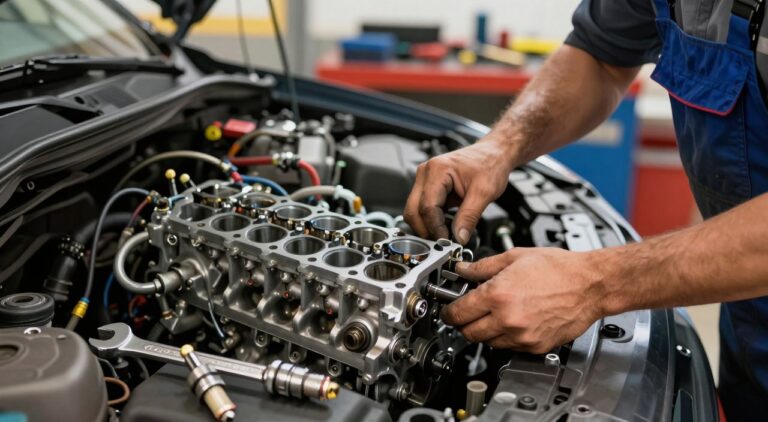
Fixing p0420 code means looking closely at your engine’s burning cycle. If your engine doesn’t burn fuel well, waste goes into the exhaust. This harms your catalytic converter and makes it fail early.
Replacing Worn Spark Plugs and Ignition Coils
First, check your ignition parts when you see emissions problems. Bad spark plugs or coils cause engine misfires. This lets unburned fuel get into the exhaust, damaging your converter.
Change these parts when needed to avoid damage. A good ignition system makes sure fuel is used right. This keeps your car running well for a long time.
Cleaning Fuel Injectors to Restore Combustion Quality
The fuel system is also key for good emissions. Clogged or leaky fuel injectors mess up the air-fuel mix. This makes the engine work hard, hiding problems until the light comes on.
Use good fuel system cleaners or get it done by pros. This keeps your engine burning right. Keeping your fuel system clean stops carbon buildup and keeps emissions legal. Regular care of your fuel system is key to avoiding big repair costs.
When to Replace the Catalytic Converter
If your car keeps showing a P0420 code, it might need a new part. Some problems can be fixed easily. But, if the part is too damaged, it’s time for a replacement.
Signs That the Internal Honeycomb Structure Has Collapsed
The catalytic converter has a special honeycomb inside. It can break down from too much heat or a hit. This can cause a p0420 code catalyst failure.
You might hear a rattling noise from under your car. This means the honeycomb is broken. A broken structure blocks the exhaust flow.
This blockage makes your car slow and hard to move. It’s like your car is «choking» when you press the gas. This shows the damage is big.
Choosing Between OEM and Aftermarket Replacements
When you need a new part, you have to choose. You can pick OEM parts or aftermarket ones. OEM parts fit your car best and last longer. They cost more but work better.
Aftermarket parts are cheaper and easy to find. But, they might not work as well. Make sure they are EPA-certified for your car. This keeps your car running right.
Professional Diagnostic Tools and Techniques
I use advanced tools to check my car’s emissions system. These tools help me find problems that simple scans miss. They give me the exact info I need for a definitive repair.
Using Infrared Temperature Guns to Check Converter Heat
Testing a catalytic converter’s heat is key. I use an infrared temperature gun to see the difference in heat. A good converter gets significantly hotter at the outlet.
If the heat is the same or the inlet is hotter, it means the converter is failing. This test is quick and doesn’t hurt the car. Always do this test when the engine is fully warm.
Advanced Data Logging for Intermittent P0420 Codes
Some cars show a check engine light and then it goes away. I use special software to track sensor values while driving. This helps me catch the exact moment of a problem.
Looking at these logs helps me figure out if the sensor or the car’s system is the issue. This method is invaluable for intermittent issues. It helps me know exactly what to fix without guessing.
| Diagnostic Tool | Primary Function | Best Use Case |
|---|---|---|
| OBD-II Scanner | Retrieves error codes | Initial fault identification |
| Infrared Temp Gun | Measures heat differential | Verifying converter failure |
| Data Logging Software | Records live sensor data | Troubleshooting intermittent codes |
Preventative Maintenance to Avoid Future Emissions Codes
Preventive care is key to avoiding expensive repairs. It keeps your engine and exhaust system in top shape. Taking small steps today can prevent big problems and costly visits to the shop later.
Regular Oil Changes and Engine Health Checks
Your engine oil is very important. It keeps your vehicle running well. If the oil gets dirty, it can cause problems.
Oil changes are crucial. They keep your engine running smoothly. If your engine isn’t running right, it can harm your emissions system.
Using High-Quality Fuel to Prevent Carbon Buildup
The fuel you use affects how well your engine runs. Bad fuel can leave harmful deposits. These deposits can mess up your engine’s performance.
Use Top Tier gasoline to keep your fuel system clean. It has special additives that prevent carbon buildup. This keeps your catalytic converter working well for longer.
Conclusion
Fixing the P0420 code needs careful car care. A step-by-step check saves time and money. It stops you from buying parts you don’t need.
By checking sensor data and looking for leaks, you control your car. This careful plan helps find the real problem, not just signs of it.
Use what you’ve learned to keep your car in top shape. Taking care of your engine helps the planet and keeps your car legal. You now know how to tackle these issues with ease.
FAQ
What causes P0420 code alerts in most modern vehicles?
P0420 code alerts often happen because the catalytic converter can’t store and release oxygen well. But, other things like exhaust leaks, bad oxygen sensors, or fuel system problems can also cause it.
How do I begin a p0420 code diagnosis to avoid unnecessary part replacements?
Start with a good OBD-II scanner like Snap-On or Autel. Look for other codes first. This helps figure out if the problem is with the converter or not.
What are the most common causes of p0420 code issues that are not the catalytic converter?
Small leaks in the exhaust system can cause p0420 codes. Even a tiny leak can fool the sensor into thinking the converter is bad.
Can I use specific techniques for p0420 code troubleshooting at home?
Yes, you can use an infrared thermometer to check the converter’s temperature. A good converter will be much hotter at the outlet than the inlet. If not, it might be failing.
What is the best strategy for fixing p0420 code problems permanently?
Fixing p0420 codes starts with a healthy ignition system. Replace old spark plugs and check coils. If the engine is good and leaks are fixed, but the code stays, you might need a new converter.
Are engine misfires considered significant p0420 code triggers?
Yes, engine misfires can really damage your exhaust system. Unburned fuel can melt the converter. So, fixing misfires early is key to keeping your car running well.