How to fix P0300 code in your car Easy step-by-step tips
Seeing a check engine light can be scary. It makes you worry when your car doesn’t run right. I’ll show you how to find and fix a random misfire.
I want to help DIY fans. By following my steps, you can avoid high diagnostic costs. Learning how to fix P0300 code lets you take care of your car.
This p0300 code repair guide will help your engine run better. With the right info, you can fix these problems with ease.
Key Takeaways
- The P0300 code means your engine’s computer found a misfire.
- Worn spark plugs, bad ignition coils, or fuel problems are common causes.
- Checking vacuum lines can show air leaks.
- An OBD-II scanner helps find the exact problem.
- Regular car care stops misfires and saves fuel.
Understanding the P0300 Random Misfire Code
I tell car owners the P0300 code is like a call for help from your car. It means your engine’s computer has found random or many misfires. To fix this, you need to understand how your car’s parts work together.

What the P0300 code means for your engine
This code shows your engine is not burning fuel right in some cylinders. Since the misfires are random, it’s hard to find the exact problem. It usually means there’s a bigger issue, like a vacuum leak or low fuel pressure.
«A well-maintained engine is a symphony of precise timing and fuel delivery; when one note is off, the entire performance suffers.»
Why the random misfire code is different from cylinder-specific codes
Codes like P0301 or P0302 point to a specific cylinder. But P0300 is a general warning of trouble. It means the problem is not just in one place.
Looking only at one cylinder might miss the real problem. Knowing it’s a bigger issue helps you fix it faster. This smart way of thinking is key to fixing your car.
Common Symptoms of a P0300 Error
Finding the right symptoms of a random misfire is key for fixing your engine. When your car shows this code, you’ll see some issues. These make your drive feel uncomfortable.
I want to help you spot these signs early. This way, you can start fixing your p0300 code troubleshooting before it gets worse.
Recognizing rough idling and engine hesitation
A common sign is a rough idle at traffic lights. The car might shake or vibrate a lot. This is because the engine is having trouble staying steady.
Also, you’ll notice noticeable hesitation when you hit the gas to speed up. This happens because the engine can’t burn fuel right in some cylinders.

Identifying decreased fuel economy and power loss
Another sign is a big drop in fuel efficiency. The engine uses more gas to keep moving, wasting energy and costing more at the pump.
You might also feel a loss of power while driving. When you’re p0300 code troubleshooting, remember this power loss comes from the engine not firing right in all cylinders.
Ignoring these signs can lead to bigger engine problems later. By paying attention to these changes, you can fix the p0300 code troubleshooting faster.
Primary Causes of Engine Misfires
When your engine misfires, it’s important to find the cause. Look at the ignition, fuel, and mechanical systems. This helps you fix the resolving p0300 error code problem at home.

Ignition system failures
Start by checking the ignition system. Worn spark plugs or bad ignition coils can cause trouble. If they can’t spark well, your engine will misfire.
Fuel delivery inconsistencies
Your engine needs the right mix of air and fuel. Clogged fuel injectors or a bad fuel pump can cause problems. Keeping your fuel system clean and working is key to fixing resolving p0300 error code issues.
Mechanical engine issues
But sometimes, the problem is deeper. Issues like low compression or worn timing chains can also cause misfires. Check these physical problems if simpler fixes don’t work.
How to fix P0300 code using diagnostic tools
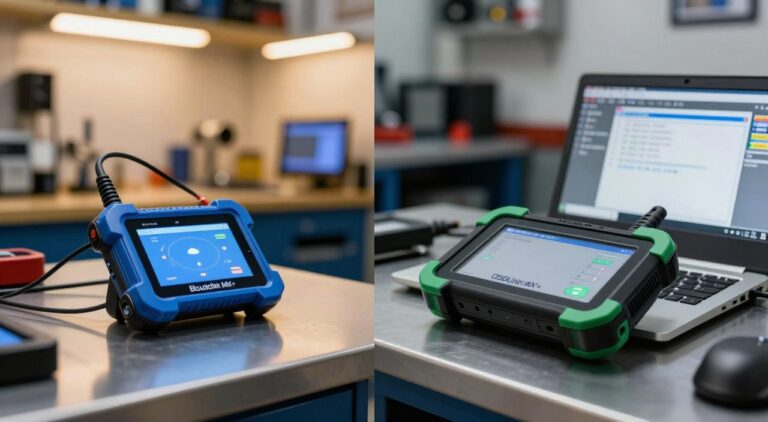
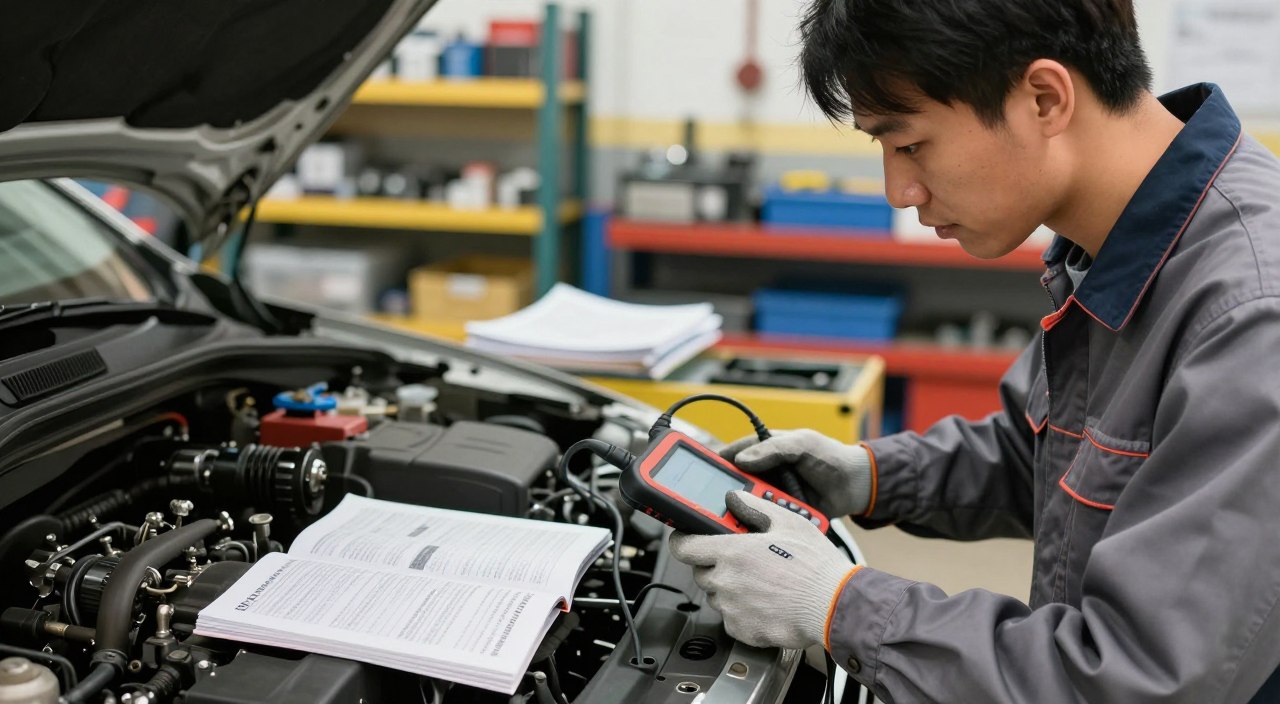
First, you need to get data from your car’s computer. An OBD-II scanner is the best tool for this. It connects your car’s sensors to your diagnostic efforts.

Using an OBD-II scanner to read freeze frame data
Freeze frame data is a vital snapshot of your engine’s state when a fault is found. It shows engine load, coolant temperature, and RPMs. This info is key for fixing p0300 code problems.
Always record these values before clearing codes. This baseline helps you compare current performance to the fault conditions. It stops you from guessing and helps you target the right problem area.
Interpreting live data streams for misfire counts
Modern scanners let you see live data while the engine runs. You can watch the misfire counter for each cylinder. This is a game-changer for fixing P0300 code problems.
If one cylinder shows a high count, you’ve found the problem. This targeted approach makes p0300 code troubleshooting quicker. You can avoid unnecessary repairs and fix only what needs fixing.
Inspecting Spark Plugs and Ignition Coils
When your engine has trouble, the ignition system is often the culprit. It’s key for making the engine run right. If it fails, you might see a random misfire. Here are some tips for fixing p0300 code issues to check if parts need cleaning or replacing.
Removing and examining spark plugs for wear
I start by taking out the spark plugs to see how they’re doing. Look for wear, rounded edges, or too much carbon. Fouled plugs are usually black or oily, which stops a strong spark.
«A healthy spark plug is the heartbeat of efficient combustion, ensuring your engine runs smoothly under all conditions.»
If the ceramic insulator is cracked or looks off, the plug is failing. Replacing them can fix your engine and stop random misfires.
Testing ignition coils for resistance and spark quality
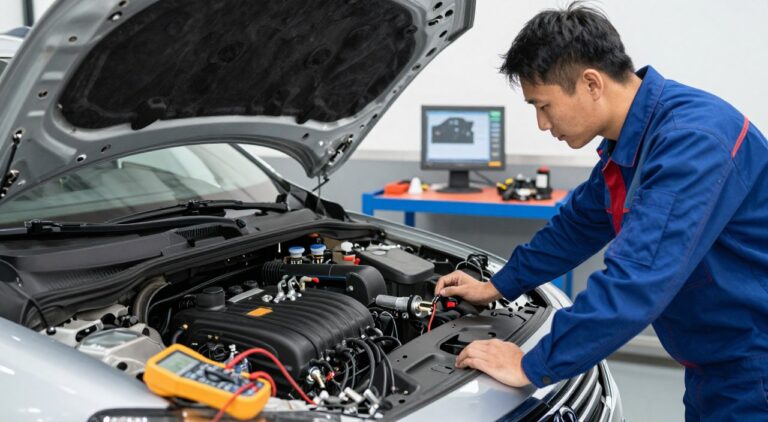
After checking the plugs, I check the ignition coils. I use a digital multimeter to check resistance. Consistent resistance is key for a good spark in all cylinders.
An inline spark tester can also show if the spark is strong. A weak or yellow spark means the coil isn’t doing its job.
Signs of carbon tracking on ignition components
Carbon tracking shows as thin, black lines on ignition parts. These lines let electricity leak, causing sparks to go to the engine block instead of the plug. If you see these lines, you need to replace the part right away to fix your tips for fixing p0300 code problems.
Checking Fuel System Components for Issues
A lean fuel mixture often causes a P0300 engine code. This happens when the engine doesn’t get enough fuel. It can’t burn fuel right, leading to random misfires.
Finding these problems early is key. It helps fix quick fixes for p0300 code issues before they get worse.
Testing fuel pressure at the rail
To check if your fuel pump works, measure the fuel rail pressure. Use a fuel pressure gauge kit. It connects to the fuel rail service port.
Look at your car’s manual for the right pressure. This is important for your engine.
Attach the gauge and turn the ignition to «on». Don’t start the engine yet. If the pressure is too low, your pump or regulator might be broken. A steady pressure is key to stop misfires when you accelerate.
Inspecting fuel injectors for clogs or electrical faults
If the pressure is okay, check the fuel injectors. Clogged injectors can’t spray fuel right. This stops fuel from mixing well in the engine.
Listen for a clicking sound when the engine idles. This might mean a bad injector.
Also, check the electrical connectors. Corrosion or loose wiring can cause problems. A bad signal stops the injector from working right. Fixing these parts can fix quick fixes for p0300 code issues and make your car run better.
Evaluating Vacuum Leaks and Air Intake Problems
Unmetered air in your engine can cause misfire codes. This air messes with the fuel mix, leading to unstable combustion. Fixing these quick fixes for p0300 code issues is key to your car’s health.
Locating vacuum leaks with a smoke machine
A smoke machine finds hidden leaks in your intake system. I connect it and pump smoke through. Any smoke that escapes shows where the leak is.
After finding the leak, I fix it right away. This simple fix often stops the misfire without big repairs. It’s a top quick fix for p0300 code in my garage.
Cleaning the Mass Air Flow sensor
The Mass Air Flow (MAF) sensor checks air intake. A dirty sensor sends inaccurate data to the computer. This can make the engine run wrong, causing misfires.
I clean the MAF sensor with a special spray. Be careful not to touch the wires. After cleaning, the engine’s idle gets better right away.
| Issue Type | Primary Symptom | Diagnostic Tool | Repair Difficulty |
|---|---|---|---|
| Vacuum Leak | Rough Idle | Smoke Machine | Moderate |
| Dirty MAF Sensor | Hesitation | Cleaning Spray | Easy |
| Intake Gasket | Power Loss | Visual Inspection | Hard |
Testing the Crankshaft and Camshaft Position Sensors
When you’re trying to fix a p0300 code diagnosis, don’t forget about your crankshaft and camshaft sensors. They tell the engine control unit where the pistons and valves are. If these signals get mixed up, the computer can’t time things right, causing random misfires.
Verifying sensor signals with a multimeter
Use a good digital multimeter to see if your sensors are working right. First, find the sensor connector and the signal wire from your car’s manual. Set your meter to DC voltage or frequency to watch the signal while the engine starts.
Carefully touch the connector with your multimeter to avoid damage. If the sensor is okay, you’ll see a steady square wave or voltage change. A flat line means the sensor is bad and needs to be replaced.
Checking for debris or damage on sensor tips
At times, the problem is not with the electrical but with something physical. These sensors use magnetic fields to find a reluctor wheel. Any metal debris can mess up the signal. Always check the sensor tip for metal shavings, dirt, or cracks.
If you see buildup, clean it off with a soft cloth and mild cleaner. Make sure the sensor fits well in its housing. A bad fit can keep the p0300 code diagnosis from going away. If the housing is cracked or the wiring is damaged, get a new sensor for reliability.
| Sensor Type | Common Symptom | Testing Method |
|---|---|---|
| Crankshaft | Engine stalls | Multimeter pulse check |
| Camshaft | Hard starting | Resistance measurement |
| Wiring Harness | Intermittent misfire | Visual continuity test |
Analyzing Exhaust Gas Recirculation and Catalytic Converter Health
To fix your p0300 code diagnosis, check the EGR and catalytic converter. These parts help your engine run well and keep emissions low. If they don’t work right, it messes up the engine’s balance.
Cleaning the EGR valve to prevent sticking
The EGR valve sends some exhaust gas back into the engine. This helps lower engine temperature and cuts down on harmful emissions. But, carbon buildup can happen over time.
A sticking EGR valve can let exhaust gas in at the wrong time. This makes the air-fuel mix unstable, causing random misfires. Cleaning the valve with a special cleaner can fix this and make the engine run smoothly.
Checking for signs of a clogged catalytic converter
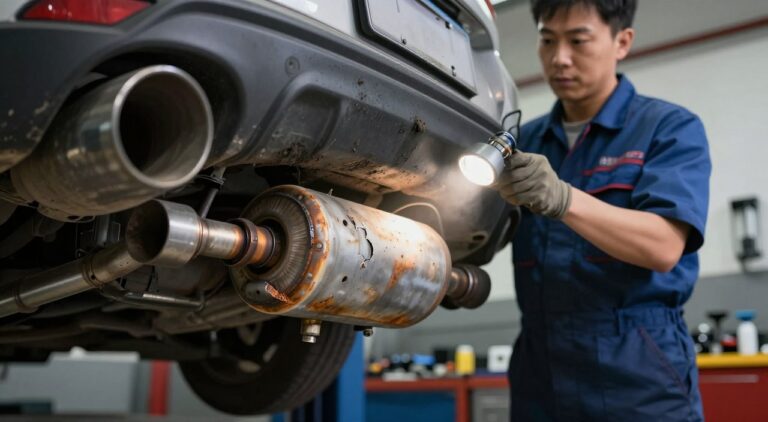
The catalytic converter is the last stop for exhaust gas. If it’s clogged, it makes it hard for the engine to breathe. This can make the engine work harder, leading to poor performance and misfires.
When you’re doing your p0300 code diagnosis, watch for signs like a glowing converter or less power at high speeds. If you think it’s clogged, a pro can do a backpressure test. Fixing these problems is key to keeping your car running well for a long time.
Safety Precautions for DIY Engine Repairs
Doing your own car work is fun, but you must be very careful. When you search for tips for fixing p0300 code, remember your safety first. Always wear eye protection and gloves to avoid cuts or chemical burns.
Protecting yourself from high-voltage ignition systems
Modern cars have high-voltage systems that can shock you. Never touch ignition parts when the engine is on. Always turn off the battery before starting your work to keep everything safe.
Managing fuel system pressure safely
The fuel system stays pressurized even when the engine is off. Before you start working, you must release this pressure. A good diy p0300 code resolution is to find the fuel pump fuse and pull it while the engine is running. This will make the pressure go down.
By following these safety tips, your repair project will be safe and successful. Being prepared helps you avoid accidents and lets you focus on fixing your car.
| Safety Equipment | Primary Purpose | Repair Benefit |
|---|---|---|
| Safety Glasses | Eye Protection | Prevents debris and fluid contact |
| Nitrile Gloves | Skin Protection | Blocks oil and fuel exposure |
| Insulated Tools | Electrical Safety | Reduces risk of accidental shorts |
| Fire Extinguisher | Emergency Response | Provides immediate fire suppression |
When to Seek Professional Mechanic Assistance
Sometimes, the P0300 code means a bigger problem that needs a pro. While you can do a lot for your car, resolving p0300 error code issues might show bigger problems. These can’t be fixed with just a sensor or spark plug.
Recognizing when internal engine damage is suspected
If you’ve changed ignition parts and checked for leaks but still have issues, it might be serious. Persistent misfires often mean problems like low compression or a timing chain issue.
These big problems need a full engine check or special machine work. Trying to fix it yourself can damage your engine if you keep driving.
The benefits of professional diagnostic equipment
Pros have tools way beyond a basic OBD-II scanner. They use top-notch software for cylinder balance tests. This shows which cylinder is not working right.
This helps find the exact problem, saving you money and time. Getting a pro to help means you’re fixing the issue right. It’s smart to know when to stop trying to fix it yourself.
Conclusion
Fixing a random misfire is a rewarding process. It builds your confidence in fixing complex vehicle systems. This p0300 code repair guide helps you diagnose ignition, fuel, and sensor issues with precision.
I made these p0300 code solutions to help you fix your engine smoothly. You now know how to find faults before they cost a lot.
Patience and careful testing are key for your engine’s long-term health. Keep your OBD-II scanner ready for future checks. If you hit a snag, ask local car groups or professional shops for help.
FAQ
What is the first step in a diy p0300 code resolution?
I start with a good OBD-II scanner, like BlueDriver or Innova. I read the freeze frame data first. This tells me when and how the misfire happened.This helps me know if it’s at idle or under load. It helps narrow down the cause and saves time.
Are there any quick fixes for p0300 code issues that I can try today?
Yes, cleaning the Mass Air Flow (MAF) sensor with CRC cleaner helps. Also, checking vacuum hoses for looseness can fix it fast. These fixes are cheap and solve air-fuel ratio problems.
How to fix p0300 code errors when the spark plugs look healthy?
If spark plugs look good, I check the fuel system. I look for fuel pressure and check fuel injectors for clogs. Sometimes, the problem is not with the ignition but with fuel delivery.
What makes this p0300 code repair guide different from cylinder-specific codes?
A P0300 code means a misfire in multiple cylinders. It’s not just one cylinder like P0301 or P0302. This usually means a bigger engine problem, like a vacuum leak or bad fuel quality.
Do you have any specific tips for fixing p0300 code problems involving the exhaust system?
One tip is to check the EGR valve. A stuck valve can cause misfires. Also, look for backpressure issues. A clogged catalytic converter can cause misfires too.
When should I stop using these p0300 code solutions and see a professional?
If you think it’s a big mechanical problem, like a burnt valve, see a mechanic. A compression test can show if it’s a big issue. Then, you need a pro to fix it.