Why is my oil pressure light on – Causes and Fixes
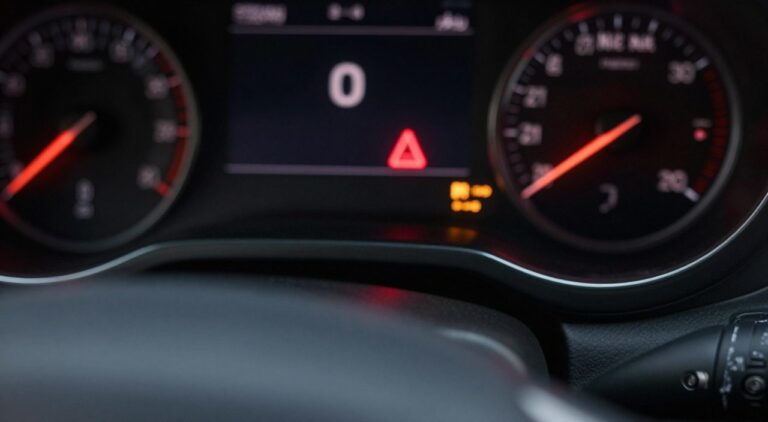
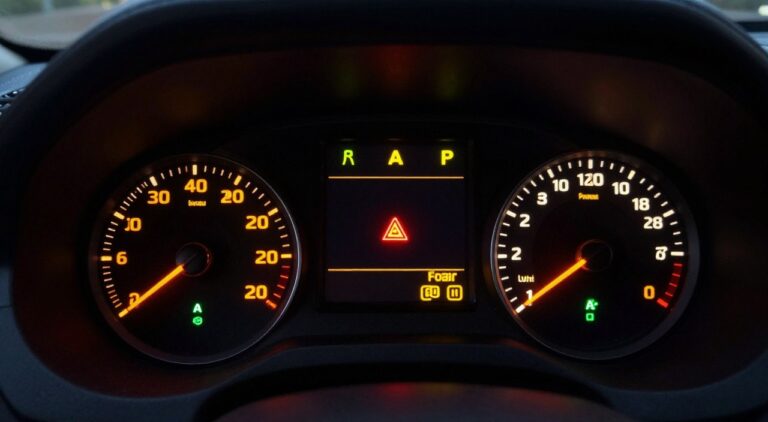
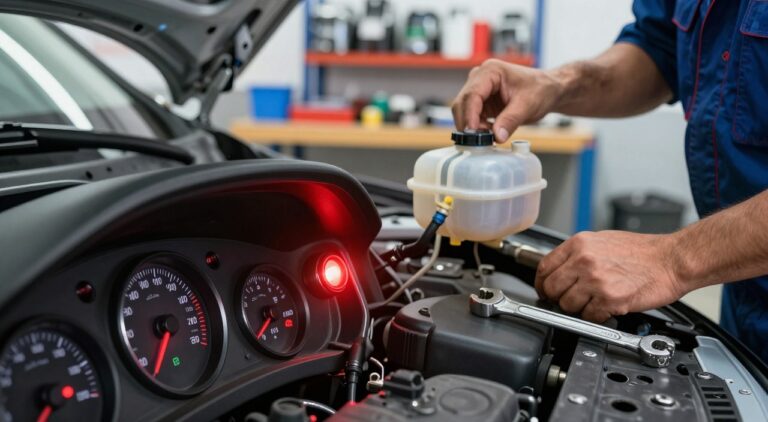
Seeing a glowing symbol on your dashboard can make you panic. You might ask, Why is my oil pressure light on, and what does it mean? This light is a critical indicator of your engine’s health.
Ignoring this light can cause big problems. It could be a simple sensor issue or serious engine wear. You need to fix it fast to keep your car safe.
In this guide, I’ll show you what might be causing this warning. I want to help you find the problem and know when to get a mechanic.
Key Takeaways
- The warning symbol means your engine might not have enough oil.
- You must act fast to avoid engine damage.
- Issues can be from low oil to bad pumps or sensors.
- Always check your oil levels first, not just assume a big problem.
- If the light stays on, stop driving right away to avoid expensive fixes.
Understanding the Oil Pressure Warning System
To really know your car’s health, you need to understand the oil pressure warning system. Many think a dashboard light means just add more oil. But it’s often more than that. Proper lubrication is key for your engine, and this system warns you when it’s not right.

How the oil pressure indicator works
The oil pressure indicator has a special sensor in the engine block. This sensor checks the oil’s pressure as it moves through the engine. When the oil moves well, the sensor sees the right pressure and the light stays off.
If the pump doesn’t work or there’s a blockage, the pressure goes down. The sensor then sends a signal to your dashboard. This turns on the oil pressure warning. It’s important to know this system checks the dynamic force of the oil, not just how much is there.
The difference between oil level and oil pressure
Many people get confused about oil level and oil pressure. They are both important but show different things. Here’s a table to help you understand the difference.
| Feature | Oil Level | Oil Pressure |
|---|---|---|
| Primary Metric | Volume of oil in the pan | Force of oil circulation |
| Common Cause | Consumption or external leaks | Pump failure or internal wear |
| Immediate Fix | Add oil to the reservoir | Stop engine and seek repair |
| Risk Level | Moderate (if caught early) | Critical (immediate damage) |
Knowing the difference is key for car owners. A low oil level is usually fixed by adding more oil. But a drop in pressure means there’s a mechanical failure that needs a pro to fix to avoid big engine damage.
Immediate Actions When the Light Illuminates
When the oil pressure light turns on, act fast. It’s not just a warning. It means your engine needs oil right now.

Why you should pull over immediately
Driving with the oil pressure light on is very risky. It can cause your engine to seize in just a few minutes. This is because metal parts need oil to move smoothly.
Without oil, these parts can stick together. This leads to a big and costly problem. Pull over safely, turn off the engine, and check it before starting again.
Checking for engine damage symptoms
After stopping safely, listen and look for engine damage. Unusual noises or a drop in performance mean trouble. This could be because of oil issues.
Watch out for these signs of engine trouble:
- Loud knocking or tapping sounds from the engine.
- A sudden loss of power or slow acceleration.
- The smell of burning oil or smoke from the engine.
- Oil puddles under the car.
If you see these signs, don’t drive anymore. Your safety and your car’s life depend on stopping right away when the oil pressure light comes on.
Common Causes of Low Oil Pressure
Many things can cause oil pressure to drop. It could be something simple or something more serious. When I wonder, why is my oil pressure light on, I check the whole system. Finding the problem early can help avoid big engine repairs.

Low engine oil levels
Not having enough oil is a big reason for low oil pressure. If the oil level is too low, the pump can’t keep up. This makes air pockets and stops the engine from being well-lubricated.
Degraded or contaminated oil
Oil quality is very important for keeping pressure right. Over time, oil gets thinner because of heat and dirt. This makes it hard to keep moving parts safe.
Worn oil pump components
If the oil is good and there’s enough of it, the problem might be mechanical. The oil pump has gears and seals that wear out. When they do, the pump can’t push oil well, causing low oil pressure.
| Cause | Primary Effect | Severity |
|---|---|---|
| Low Oil Level | Pump cavitation | High |
| Contaminated Oil | Reduced viscosity | Medium |
| Worn Pump Gears | Mechanical failure | Critical |
| Clogged Pickup Screen | Restricted flow | High |
Knowing what causes low oil pressure is key. By checking these areas, I can figure out if it’s an easy fix or a bigger problem.
Diagnosing a Faulty Oil Pressure Sensor
Don’t worry about engine failure yet. Your oil pressure sensor might be the issue. This small part can send the wrong signal to your dashboard. Checking it first can save you from expensive mechanic visits.

Identifying sensor failure symptoms
An oil pressure sensor failing shows certain signs. These signs are different from real engine problems. Look for these signs before worrying about your engine:
- The warning light flickers instead of staying steady.
- The oil pressure gauge shows weird, jumping numbers.
- You see oil leaking from the sensor housing.
- The light stays on even when the oil is full.
Testing the sensor with a multimeter
If you think the sensor is bad, use a multimeter to check. This tool checks if the oil pressure sensor is working right. First, find the sensor on your engine and remove the electrical connector.
Use the multimeter on the ohms setting. With the engine off, a good sensor shows a specific number. If it shows nothing or an open circuit while running, the diaphragm is likely broken.
Always remember to look at your service manual for your car’s details. If the signal is off, replacing the oil pressure sensor is easy and cheap. This simple test helps you avoid unnecessary worries about your engine.
Step-by-Step Guide to Checking Oil Levels
Checking your oil level is a key skill for car owners. It helps avoid the oil pressure indicator on your dashboard. Regular checks keep your engine well-lubricated and safe from damage.
Locating and reading the dipstick
First, park your car on level ground and let the engine cool. Open the hood and find the dipstick. It has a bright handle, like yellow or orange.
- Pull the dipstick out and clean it with a cloth or paper towel.
- Put the dipstick back in the tube for a good reading.
- Take it out again and check the oil level against the marks.
The oil should be between the minimum and maximum marks. If it’s low, add oil right away to keep pressure up.
Adding the correct oil viscosity
When adding oil, check your owner’s manual for the correct oil viscosity. The wrong type can harm your engine and light the oil pressure indicator.
Pour oil slowly into the filler cap, adding a little at a time. Check the dipstick often to avoid too much oil. Too much can cause foaming and pressure problems. When the level is right, put the cap back on and make sure the dipstick is in place.
Inspecting the Oil Filter and Housing
If you have a oil pressure problem, it might be in your oil filter housing. The filter cleans the oil but also controls its flow. If it fails, it can mess up the oil’s movement and your dashboard readings.
Signs of a clogged oil filter
A clogged filter makes your engine work harder. You might see a drop in performance or hear strange ticking sounds. These sounds happen because the top of the engine isn’t getting enough oil.
You can’t see inside the filter, but look for signs of damage. If the filter looks crushed or bloated, it’s blocked. Replacing it right away fixes the oil pressure problem.
«Regular maintenance of the oil filtration system is the most cost-effective way to extend the life of your engine and prevent catastrophic internal wear.»
Checking for external oil leaks
Also, check the housing for leaks. A loose filter or damaged gasket can let oil out. Even a small leak can cause big pressure problems under load.
Wipe the area around the filter with a clean rag to find leaks. If you see oil, the gasket or housing might be damaged. Fixing these leaks keeps your engine well-lubricated.
| Inspection Point | Common Issue | Recommended Action |
|---|---|---|
| Filter Canister | Dents or Cracks | Replace immediately |
| Mounting Gasket | Seepage or Tears | Install new O-ring |
| Housing Threads | Cross-threading | Inspect and re-seat |
| Drain Plug | Loose connection | Tighten to spec |
Checking these parts prevents big repair costs. Make sure your filter is tightened right. A clean, well-installed filter keeps your engine healthy.
Evaluating Internal Engine Wear
Internal engine wear is a silent killer. It often shows up as a drop in low oil pressure. If your car shows a warning light with enough oil, it might be the engine’s problem.
Many drivers ignore their engine’s internal parts when oil issues come up.
The role of main bearings in pressure
Main bearings act as a cushion between the crankshaft and the engine block. They need oil to prevent metal rubbing. When they wear out, the space between them and the crankshaft gets bigger.
This bigger space lets oil leak out too fast. The oil pump can’t keep up, leading to low oil pressure. This makes the engine work less well and can even fail.
When to consult a professional mechanic
If you’ve checked your oil and sensor, the problem might be in your engine’s parts. A mechanic is needed to test the engine’s pressure. They have the tools to check the pressure at different speeds.
Get a mechanic if you hear knocking sounds or if your car’s performance drops. They can tell if you need a bearing replacement or a full engine rebuild. Their help keeps your car safe from more damage.
| Symptom | Potential Cause | Urgency Level |
|---|---|---|
| Ticking or tapping noise | Worn valve train | High |
| Deep knocking sound | Worn main bearings | Critical |
| Persistent low oil pressure | Internal pump failure | High |
| Oil light at idle only | Excessive bearing clearance | Moderate |
Tools Needed for Oil Pressure Troubleshooting
Before you start, make sure you have all your tools ready. This saves time and avoids frustration. It helps you figure out if the problem is with the electrical or mechanical parts.
Essential diagnostic equipment
You’ll need a few important items to test the system well. A good multimeter is key for checking the wiring and sensor. If the electrical signals look okay, you might need a mechanical oil pressure gauge to see the engine’s pressure.
A mechanical gauge gives a true reading, outside of the car’s system. This shows if the oil pressure sensor is wrong or if there’s really low pressure. Keep these tools tidy to work more efficiently.
- Multimeter: Essential for testing voltage and resistance in the sensor circuit.
- Mechanical Oil Pressure Gauge: Used to verify actual engine oil pressure.
- Socket Set: Required for removing the old oil pressure sensor during replacement.
- Shop Towels: Necessary for cleaning up oil spills and keeping components visible.
Safety gear for engine bay work
Working under the hood is risky. That’s why safety gear is a must. Hot oil and moving parts can hurt you badly if you’re not careful. Always wear nitrile gloves to protect your skin from harsh chemicals and contaminants found in used motor oil.
Also, always wear safety glasses to protect your eyes from splashes or debris. Working in a well-lit area is also crucial. It helps you spot leaks or loose connections fast. By focusing on safety, you make the repair process better.
Preventative Maintenance to Avoid Pressure Issues
I think it’s smart to fix problems before they start. Regular checks can stop a big oil issue before it’s a problem. Taking care of your car now means it will last longer.
Adhering to oil change intervals
Changing oil on time is key. The manufacturer-recommended schedule keeps your oil clean. This keeps your engine running well.
Always check your car’s manual for when to change oil. Doing this stops sludge buildup and oil issues. Regular care keeps your engine strong.
Using high-quality oil and filters
Choosing good oil and filters is wise. They catch dirt better and work well in heat. Bad parts can cause trouble.
Using the best synthetic oils protects your engine. This choice avoids oil issues and saves money. Good parts protect your engine’s heart.
| Maintenance Practice | Benefit to Engine | Risk of Neglect |
|---|---|---|
| Regular Oil Changes | Maintains proper lubrication | Increased sludge buildup |
| Premium Oil Filters | Traps harmful debris | Reduced flow efficiency |
| Synthetic Oil Usage | Better heat resistance | Faster component wear |
By focusing on these habits, you avoid big oil issues. Caring for your car now keeps it running well for years.
Professional Repair Costs and Expectations
Getting your car checked for an oil pressure problem can be scary. You might wonder if you should fix it yourself or go to a professional. Knowing how much it will cost helps you choose the best option for your car.
Estimating labor and parts
Repair shops use a guide to figure out costs. If the problem is with a sensor, it’s usually cheap. But, if it’s something deeper like the oil pump, it gets more expensive because it takes longer to fix.
«Quality repairs are an investment in your vehicle’s longevity, but always request a detailed estimate before authorizing any major work.»
Here’s a rough idea of what you might pay at a repair shop in the United States.
| Repair Type | Estimated Parts Cost | Estimated Labor Time | Total Price Range |
|---|---|---|---|
| Pressure Sensor Replacement | $30 – $80 | 1 – 2 Hours | $150 – $300 |
| Oil Pump Replacement | $150 – $400 | 4 – 8 Hours | $600 – $1,200 |
| Engine Flush & Filter | $50 – $100 | 1 Hour | $100 – $200 |
When a rebuild is necessary
At times, an oil pressure problem means your engine is really damaged. This could be because of worn-out parts or a damaged crankshaft. If your engine has been running without oil for too long, just replacing parts won’t fix it.
A rebuild means taking apart the whole engine to check and replace bad parts. This is very hard work and can cost a lot of money. If fixing your engine would cost more than your car is worth, you might want to think about getting a new engine or a new car.
Conclusion
Your car needs oil to run well. Seeing an oil pressure warning is serious. It means your engine might be in trouble.
Don’t ignore dashboard alerts. They might mean your car needs oil or a sensor fix. Not fixing these can cause big problems and cost a lot to fix.
Using good oil like Mobil 1 helps. But, it can’t save your engine without enough pressure. Regular car checks keep it running smoothly.
Keep a basic tool kit in your car for emergencies. If you’re not sure what to do, call a certified mechanic. Taking care of your car’s oil warning keeps you safe and saves money.
FAQ
Why is my oil pressure light on even though my oil level is full?
Seeing an oil pressure warning when your dipstick shows plenty of fluid usually means something is wrong. It could be a faulty oil pressure sensor, a failing oil pump, or severe internal engine wear. Always check with a mechanical gauge before running the engine.
What is the difference between an oil level light and an oil pressure indicator?
The oil level light tells you when you’re low on fluid. The oil pressure indicator checks how well the oil pump is working. Even with full Mobil 1 synthetic oil, a bad pump or clogged passages can cause low oil pressure.
Can a dirty oil filter cause an oil pressure problem?
Yes, it can. A dirty oil filter, like a Fram or Wix one, can block oil flow. This blockage leads to oil pressure issues because the system can’t push enough oil through the engine.
How do I know if my oil pressure sensor is failing?
Look for symptoms like a flickering light at idle or a gauge that jumps erratically. Use a Fluke multimeter to test the sensor’s electrical resistance. Replace it with a genuine ACDelco or Bosch part to see if the warning goes away.
What should I do immediately when the oil pressure light illuminates?
My advice is to pull over immediately and shut off the engine. Driving with a low oil pressure warning can cause the engine to seize. Listen for knocking or ticking sounds as signs of engine starvation.
Does the viscosity of my oil affect the oil pressure warning?
Yes, it does. Using oil that’s too thin or diluted by fuel can prevent the system from maintaining pressure when hot. Always use the recommended viscosity, like Pennzoil 5W-30, for your car.
Is it expensive to fix an oil pressure issue?
The cost varies based on the problem. Replacing an oil pressure sensor is cheap. But, fixing a worn oil pump or main bearings can be expensive. Neglect can lead to a full engine rebuild, so regular maintenance is key.
Can I use a specific tool to diagnose a low oil pressure situation at home?
Yes, keep a mechanical oil pressure gauge in your toolbox. Use it to get a direct reading of the engine’s health. This confirms if the oil pressure light is showing a real problem or just a sensor glitch.