What to do when transmission temperature light blinking
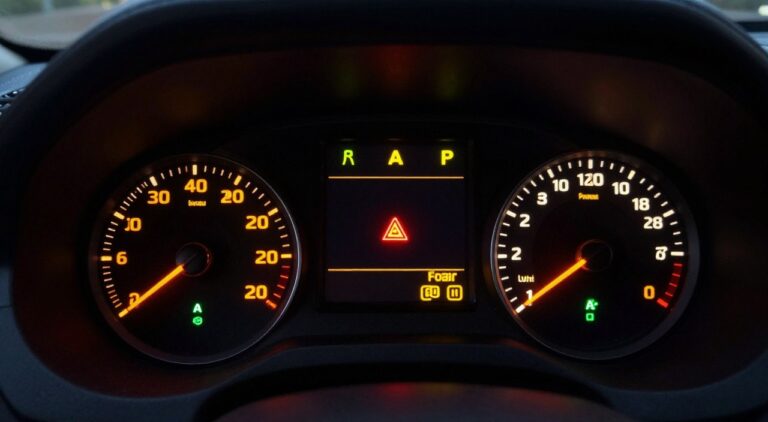
Seeing a warning light on your dashboard is very stressful. When the transmission temperature light blinks, it means your car’s gearbox is too hot. This is a serious sign.
You can’t ignore this warning. Driving on could cause big problems with your car. I want to help you know why and how to stay safe.
Not acting fast can damage your car badly. This might cost a lot to fix or even need a new part. By acting quickly, you save your car and money. Follow my guide to learn what to do next.
Understanding the Transmission Temperature Light Blinking
Drivers often get scared when they see a transmission temperature light blinking on their dashboard. But, it’s not just a random light. It’s a message from your car’s computer. Knowing what it means can help you stay safe.

The Role of the Transmission Control Module
The Transmission Control Module, or TCM, is like your car’s brain. It checks data from sensors to control gear shifts and keep temperatures right. If it sees the fluid getting too hot, it turns on the transmission warning light to warn you.
«Modern vehicle diagnostics are designed to prioritize driver safety by providing real-time feedback on critical component health before catastrophic failure occurs.»
Why the Warning Light Blinks Instead of Staying Solid
Why does the light blink instead of staying on? A steady light means there’s a stored problem or a small sensor issue. But, a transmission temperature light blinking means your car is overheating now and you need to act fast.
Here’s a table to show the difference between these lights:
| Light Status | Meaning | Urgency Level |
|---|---|---|
| Solid Light | Stored Diagnostic Code | Moderate |
| Blinking Light | Active Overheating | Critical |
| No Light | Normal Operation | None |
When the transmission warning light blinks, it means your car is in trouble. It’s telling you it can’t keep going like this. Don’t ignore it. It’s a sign to slow down and find a safe place to stop.
Immediate Actions to Take When the Warning Light Appears
Seeing a transmission temperature light blinking can be scary. It’s important to act fast to avoid damage. Quick, calm steps can help you avoid expensive repairs.

Pulling Over Safely and Reducing Load
When you see a transmission warning light, pull over safely. Shift to neutral or park right away. This stops the heat from building up.
Don’t keep driving with the light on. The heat can harm your car’s parts. Taking off the load helps prevent damage.
Allowing the Transmission to Cool Down Naturally
After parking, you might wonder what to do next. Idling for a bit helps cool things down. But, if it’s very hot outside, turn off the engine to avoid more heat.
Avoiding Immediate Restarting of the Engine
Don’t start your car right away after the light goes off. The transmission needs time to cool down. If you drive too soon, the light might come back on.
| Action Step | Primary Benefit | Risk of Neglect |
|---|---|---|
| Shift to Neutral | Reduces internal friction | Clutch plate burning |
| Idle Engine | Promotes fluid circulation | Heat soak accumulation |
| Wait 20 Minutes | Allows thermal dissipation | Seal and gasket failure |
| Check Fluid Level | Identifies leaks or loss | Catastrophic gear damage |
Common Causes of Transmission Overheating
Knowing why your transmission gets too hot can save you a lot of money. It’s often because of mechanical or environmental issues. Spotting these problems early helps keep your car running smoothly.

Low Transmission Fluid Levels
Transmission fluid keeps things cool and moving smoothly. If it’s low, the car can’t handle the heat. Without enough, parts start rubbing together, making it even hotter.
Heavy Towing and Excessive Payload
Towing too much puts a lot of stress on your car. The torque converter works too hard, making it hot. Hauling heavy stuff often leads to overheating, mainly when going uphill or driving fast.
Driving in Stop-and-Go Traffic During Hot Weather
Driving in heavy traffic and hot weather is tough on your car. The radiator can’t cool down well in stop-and-go traffic. This makes the fluid get too hot, fast.
Internal Mechanical Wear and Friction
Sometimes, the problem is inside the transmission. Worn parts cause too much friction. This heat can’t be cooled down, leading to overheating, even when driving normally.
| Cause | Primary Impact | Risk Level |
|---|---|---|
| Low Fluid | Reduced Cooling Capacity | High |
| Heavy Towing | Torque Converter Strain | Critical |
| Traffic/Heat | Poor Airflow | Moderate |
| Internal Wear | Excessive Friction | Severe |
Checking Your Transmission Fluid Levels and Condition
Checking your transmission fluid is very important. It helps keep your car running well. By checking it often, you can find small problems before they get big.
Locating the Transmission Dipstick
First, park your car on a flat surface and turn on the engine. The engine must be warm before you check the fluid. The dipstick is usually at the back of the engine, easy to spot.
If you can’t find it, look in your car’s manual. It might be different in newer cars. Clean the dipstick with a cloth, then check the fluid level.

Interpreting Fluid Color and Smell
The color of the fluid shows if your car is healthy. Good fluid is bright red or pink. If it’s dark, it’s bad.
Also, check the smell. Good fluid smells a bit oily. Bad fluid smells sharp or strong. If it smells bad, your fluid is too hot.
Recognizing Signs of Burnt Transmission Fluid
A bad smell means your fluid is burnt. This is a sign of big problems. If it smells like char, you need to fix it fast.
Ignoring these signs can ruin your car. By checking your fluid, you keep your car running well. If it smells bad, see a mechanic.
Identifying Transmission Diagnostic Codes
When a warning light blinks on your dashboard, your car is trying to tell you something. Identifying transmission diagnostic codes helps you figure out what’s wrong. These codes point to the exact problem.
Using an OBD-II Scanner to Retrieve Data
You don’t need to be a mechanic to get this info. An affordable OBD-II scanner lets you plug into your car’s computer. It shows you error messages.
Keep a simple scanner in your glove box for emergencies. It lets you check codes fast. This proactive approach saves time and money.
Common Codes Related to Overheating
When your transmission overheats, the computer sends out specific codes. These codes are the same for most cars. They help you know if it’s a small problem or a big one.
| Diagnostic Code | Primary Meaning | Severity Level |
|---|---|---|
| P0710 | Transmission Fluid Temperature Sensor Circuit | Moderate |
| P0711 | Sensor Range/Performance Issue | Moderate |
| P0712 | Low Input Signal (Short Circuit) | High |
| P0713 | High Input Signal (Open Circuit) | High |
Interpreting Sensor-Specific Error Messages
A code doesn’t always mean your transmission is failing. Sometimes, it’s just a bad sensor. Check the wiring before you worry.
If the error code stays after your car cools down, it might be a real problem. But if it only shows up when you’re driving heavy, it’s likely overheating. These tools help you talk better with your mechanic.
Evaluating the Transmission Temperature Sensor
A bad transmission temperature sensor can seem like a big problem. It sends wrong info to the car’s computer. This can turn on a warning light even if everything is okay.
Symptoms of a Faulty Temperature Sensor
A common sign is a warning light right after starting the car. If it’s cold, this light might be a false alarm. It’s because of an electrical issue.
You might see erratic shifting patterns or the car not shifting into higher gears. This is because the computer is making mistakes. It’s because of bad info about the transmission fluid temperature.
«Precision in diagnostics is the difference between a simple repair and an unnecessary overhaul.»
Testing Sensor Resistance with a Multimeter
To check if the sensor is bad, use a digital multimeter. You need to look up the right resistance values in your car’s manual.
Disconnect the sensor and test the terminals with the multimeter. If it shows an open circuit or a wrong reading, the sensor needs to be replaced.
When to Replace the Sensor Versus the Wiring Harness
Telling if it’s the sensor or the wiring is key to saving money. If the sensor checks out, the problem is probably in the wiring.
Look for frayed wires, corrosion, or melted insulation near the transmission. If the wiring looks good but the sensor keeps giving errors, check the connector pins. Make sure the connection is clean and tight before replacing the whole harness. Sometimes, just cleaning it can fix the problem.
Assessing Cooling System Performance
Drivers often forget how the cooling system affects their transmission. Many cars have a shared cooling system for the engine and transmission. If the engine can’t cool down, the transmission will get too hot.
Inspecting the Transmission Cooler and Lines
Start by looking at the lines from the transmission to the radiator. Check for wet spots, which mean a leak. Kinks or sharp bends in these lines can also block fluid flow.
Checking for Blockages in the Radiator Airflow
Debris like leaves and dirt can block the radiator. This stops air from cooling the fluid. If air can’t get through, the transmission temperature sensor might light up.
«Effective thermal management is the cornerstone of a long-lasting drivetrain; without proper airflow, even the best components will eventually fail under stress.»
The Impact of Engine Coolant Levels on Transmission Temperature
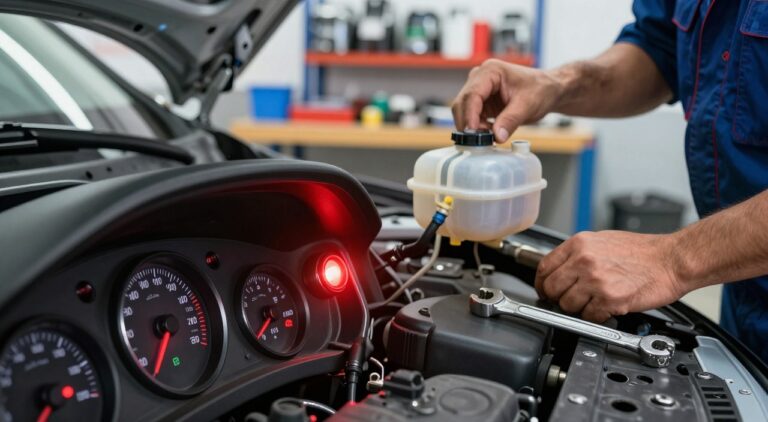
Engine coolant helps cool the transmission. If it’s low, the system can’t cool down. Always keep the coolant level up to protect your transmission.
| Component | Inspection Task | Frequency |
|---|---|---|
| Cooler Lines | Check for leaks or kinks | Every 6 months |
| Radiator Fins | Clear debris and dirt | Annually |
| Coolant Level | Verify reservoir volume | Monthly |
| Sensor Wiring | Inspect for damage | Every oil change |
Regular checks help your transmission temperature sensor work right. Fixing cooling problems early stops transmission overheating and damage.
When to Seek Professional Transmission Repair Service
Knowing when to stop trying to fix things yourself is important. Some car problems need special tools and knowledge. If you can’t fix it, it’s time to get a transmission repair service.
Signs of Irreversible Internal Damage
Look for signs that show the damage is too big. Metal shavings in the fluid mean something is grinding and breaking. If the gears slip a lot or there’s a burning smell, the transmission is failing.
«A transmission is a complex symphony of gears and hydraulics; once the internal components begin to disintegrate, no amount of external adjustment can restore its original performance.»
Automotive Engineering Expert
The Risks of Ignoring Persistent Warning Lights
Ignoring a transmission warning light is risky. What starts small can turn into a big problem. It can even lead to needing a new transmission.
Using transmission diagnostic codes helps, but they’re just a start. If the light stays on, it’s likely a mechanical issue. Driving like this can cause more damage.
Choosing a Certified Transmission Specialist
When you need a pro, find a certified one. Look for shops with the right tools and experience with your car. A good technician will tell you what needs to be done.
| Service Level | DIY Capability | Professional Requirement |
|---|---|---|
| Fluid Inspection | High | Low |
| Sensor Replacement | Medium | Medium |
| Internal Overhaul | None | High |
| System Calibration | Low | High |
Choosing the right transmission repair service is key. Make sure they give you a clear price and a warranty. This peace of mind is worth it for your car’s health.
Essential Transmission Maintenance Tips for Longevity
Keeping your car in good shape is key to avoiding big repair costs. Regular care helps your car run well on long trips or daily drives. Following these transmission maintenance tips can save you a lot of money.
Adhering to Manufacturer Fluid Change Intervals
Your transmission fluid keeps it cool and moving smoothly. It breaks down over time, losing its protective power. Following the service schedule in your manual is the best way to keep it running right.
«An ounce of prevention is worth a pound of cure.»
Benjamin Franklin
New fluid keeps your transmission cool. Ignoring change times can cause sludge and damage.
Installing an Auxiliary Transmission Cooler
Driving heavy loads or in mountains can be tough on your car. An auxiliary transmission cooler adds extra cooling. It keeps your transmission cooler, even when it’s working hard.
This upgrade helps avoid the temperature warning light. It’s a smart choice for those who drive hard.
Monitoring Driving Habits to Reduce Stress on the Drivetrain
Your driving style affects your transmission’s life. Avoiding hard starts and stops is important. Smooth driving lets your transmission work better.
By following these transmission maintenance tips, you can avoid costly repairs. Driving carefully is a simple way to protect your car.
Safety Precautions for Vehicle Transmission Health
Keeping your car healthy starts with knowing its limits. Follow transmission maintenance tips to avoid expensive fixes. Keeping your car safe means it runs well on every trip.
Understanding Your Vehicle Towing Capacity
Every car has a towing limit you must not go over. Going too far can hurt your engine and transmission. Always check your owner’s manual before towing.
Staying within the limit keeps your car’s parts healthy. This lets the cooling system work right. It keeps the transmission fluid from getting too hot.
Preparing Your Vehicle for Extreme Climate Conditions
Where you drive affects your car’s transmission. In cold or hot weather, change your maintenance plan. The right fluid viscosity is key for cold starts or hot driving.
- Check your cooling system often to handle high temperatures.
- Think about an extra cooler for hot city driving.
- Watch your transmission temperature gauge when driving up steep hills in the heat.
The Importance of Using Manufacturer-Recommended Fluid
Many drivers use the wrong fluid, which can harm their car. Always use the fluid your car maker says is best. These fluids have special additives for your car’s transmission.
Wrong fluid can cause shifting problems and damage seals. Using the right fluid keeps your car running smoothly. It’s a key part of transmission maintenance tips.
Conclusion
Your dashboard warning light is very important. It tells you when something is wrong with your car. If you ignore it, you might face big repair bills.
Looking after your car helps it run well. This is true for long trips or just going to work. Keeping your car safe means it works better.
When you see a warning light, it’s a chance to learn. Check your fluids and cooling parts often. This keeps your car safe and running right.
Being careful with your car saves money and keeps you safe. You can watch your car and fix problems early. Keep your car in good shape for all your travels.
FAQ
What should I do immediately if I see my transmission temperature light blinking while driving?
If the transmission temperature light blinks, it’s a big warning. Pull over to a safe spot right away. Shift into park or neutral and let the engine idle.This lets the cooling system work without the car moving. Ignoring this warning can cause big problems and cost a lot to fix.
Why is the transmission warning light blinking instead of staying solid?
A solid light usually means a problem that’s not urgent. But a blinking light is serious. It means the fluid is too hot.
Can I continue driving for a few miles to reach a mechanic if the light is on?
No, don’t drive far if the light is on. The transmission can get damaged quickly. This could mean you need a new transmission.It’s safer to stop the car until it cools down.
What are the most common causes of transmission overheating?
Low fluid levels and towing too much are common problems. So is driving in hot traffic.Wear and tear or a clogged cooler can also cause overheating. These issues lead to dashboard warnings.
How can I tell if my transmission fluid is burnt?
Check the fluid with the dipstick. Healthy fluid is bright red and clear. If it’s dark or smells bad, it’s burnt.This means the fluid can’t protect the transmission anymore.
How do I use transmission diagnostic codes to find the problem?
Use an OBD-II scanner to get codes from the car’s computer. Codes like P0218 show overheating. Others might point to a bad sensor.This helps figure out if it’s a real problem or just a glitch.
Is it possible that a faulty transmission temperature sensor is the only problem?
Yes, it could be. If the light blinks right after starting, it might be the sensor. Use a multimeter to check the sensor’s resistance.If it’s off, the sensor is giving wrong info to the TCM.
How does the engine’s cooling system affect the transmission?
The cooling system helps keep the transmission fluid cool. If the coolant is low or the radiator is clogged, the fluid gets too hot.Always check the radiator and cooling fans during maintenance.
What are some essential transmission maintenance tips to prevent overheating?
Follow the fluid change schedule from the maker. If you tow a lot, get an extra cooler. Use the right fluid for your car.This keeps the system working right and prevents overheating.
When is it time to stop DIY troubleshooting and call a professional?
If you see metal shavings or the transmission slips a lot, stop DIY. These signs mean serious damage. You need a pro to fix it safely.
Does my driving style impact vehicle transmission safety?
Yes, it does. Aggressive driving and braking on hills can overheat the transmission. Drive carefully and within the car’s limits to avoid damage.