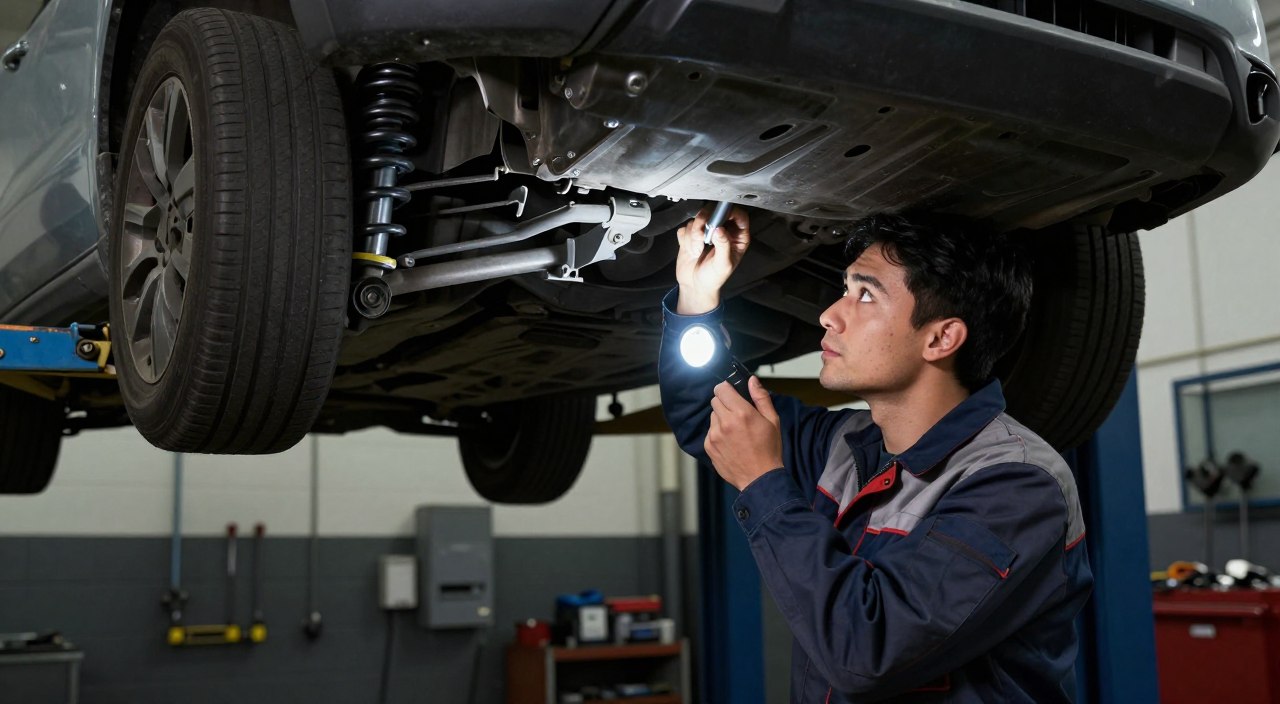
Clunking Noise When Driving Over Bumps Causes and Fixes
It’s really annoying to hear a clunking noise when driving over bumps. This sound means your car’s suspension system is having trouble staying in touch with the road.
Your car’s suspension is like a shock absorber. It keeps your car from bouncing too much on bumpy roads. But when parts like bushings or struts get old, they can’t do their job well anymore. Ignoring these warning signs can lead to big repair costs later.
Not fixing these problems can also make your car harder to handle. I want to help you find and fix these issues early. This way, you can stay safe on the road. This guide will show you how to find and fix the problem, so you can drive smoothly again.
Understanding the Mechanics of Suspension Noise
My car’s suspension is amazing. It connects the tires to the car’s body. It makes sure every bump is handled well.

How Your Vehicle Suspension Absorbs Impact
The suspension’s main job is to soak up the shock from bumps. Springs like coil or leaf springs help by compressing. Dampers or shock absorbers then control how the car bounces back.
This process is why I might hear a car clunking noise if something goes wrong. When everything works right, the car stays quiet. But, it’s always under stress.
Why Suspension Components Wear Out Over Time
Even the toughest parts wear out after a lot of miles. Suspension arms and links get tired from all the pressure. Rubber bushings and seals also break down from heat, salt, and water.
When these parts get old, they don’t fit as well. This can cause a car rattling noise over bumps. It’s a sign that something needs to be checked.
| Component | Primary Function | Common Failure Mode |
|---|---|---|
| Coil Springs | Support vehicle weight | Sagging or fracture |
| Shock Absorbers | Dampen oscillation | Seal leaks or loss of pressure |
| Rubber Bushings | Reduce vibration | Dry rot and cracking |
| Ball Joints | Allow pivot movement | Excessive play or looseness |
Common Causes of a Clunking Noise When Driving Over Bumps
When you hear a clunking noise when driving over bumps, it means your car is trying to tell you something. Finding where the sound comes from is hard. But, by listening closely, you can guess what might be wrong.
Differentiating Between Clunks, Rattles, and Squeaks
Not all sounds from your car are the same. A loud clunk means something metal is loose or broken. A car rattling noise over bumps usually means small parts are loose.
High-pitched squeaks happen when rubber parts get dry. Here’s a simple guide to help you figure out what sound you’re hearing:
| Sound Type | Likely Cause | Severity |
|---|---|---|
| Heavy Clunk | Worn Bushings/Links | High |
| Light Rattle | Loose Hardware | Low |
| Sharp Squeak | Dry Rubber/Seals | Medium |
The Role of Rubber Bushings in Noise Dampening
Rubber bushings are key to your car’s smooth ride. They keep metal parts from rubbing together. When they get hard or crack, they can’t absorb shocks anymore, causing a clunking noise when driving over bumps.

«The suspension is the bridge between the driver and the road; when that bridge begins to fail, the entire driving experience suffers.»
— Automotive Engineering Insight
Environmental Factors Affecting Suspension Longevity
Your car’s underside is always fighting off the elements. Salt, extreme weather, and moisture harm your suspension. These things make rubber bushings brittle and prone to failure.
If you live where it snows a lot, you might hear a car rattling noise over bumps more often. Check your bushings twice a year to avoid big repairs. Being proactive keeps your car quiet and safe.
Inspecting Sway Bar Links and Bushings
If you hear a knocking sound when driving on uneven road, your sway bar links might be failing. These parts connect the sway bar to the suspension. They help keep your car level during turns. When they wear out, they can’t dampen vibrations anymore. This leads to that annoying car clunking noise that drivers hate.

Symptoms of Failing Sway Bar Links
The most common sign is an audible rattle or knock on bumps or potholes. You might also feel the car leaning more when turning. This is because the sway bar can’t transfer force between the wheels well.
If you ignore these signs, the noise will get louder and more frequent. The link might snap or detach, which hurts your car’s handling. I always say to fix these sounds early to avoid more damage to your suspension.
How to Perform a Physical Inspection of the Sway Bar
To check the links, start by safely lifting the vehicle. Once it’s on jack stands, grab the sway bar link and shake it. If you feel any play or movement in the ball joints, it’s worn out and needs to be replaced.
Also, look at the rubber bushings for cracks, dry rot, or missing chunks. Even if the link feels tight, damaged bushings can still cause a car clunking noise. A quick look can save you a lot of trouble later.
Tools Needed for Sway Bar Assessment
Before starting, make sure you have the right tools to work safely. Never use a hydraulic jack alone under the car. Here’s what I use for a detailed check.
| Tool Name | Purpose | Safety Level |
|---|---|---|
| Floor Jack | Lifting the vehicle | High |
| Jack Stands | Supporting the vehicle | Essential |
| Flashlight | Visual inspection | Helpful |
| Wrench Set | Checking bolt tightness | Standard |
Evaluating Struts, Shocks, and Mounts
Do you hear a knocking sound when driving on uneven road? It might mean your suspension system is failing. Struts and shock absorbers keep your car stable and tires on the road. Without them, your car will bounce a lot.

The Impact of Blown Struts on Ride Quality
A blown strut can’t control the spring’s movements well. You’ll feel your car bouncing excessively after hitting a bump. This means the strut’s internal parts have failed.
This failure makes your ride harsh and jarring. It can also cause uneven tire wear and poor handling. Maintaining functional struts is key for a safe and comfortable ride.
Checking for Fluid Leaks and Physical Damage
Check your struts for any signs of hydraulic failure. Look for oily residue or wetness on the casing. If you see fluid leaking, the seals have broken.
Also, check for dents, scratches, or corrosion on the metal casing. Even small damage can cause the piston to bind. This results in a vehicle noise over bumps. If the casing is damaged, you’ll need to replace the whole strut.
Signs of Worn Strut Mounts and Bearings
The strut mount connects the suspension to the frame. It has a bearing that lets the strut move during steering. When these parts wear out, they make a clunking or popping noise.
Test this by having someone turn the steering wheel while you watch the strut tower. If the spring binds or jumps instead of moving smoothly, the bearing is seized. Replacing these mounts will fix the noise and improve steering.
Checking Control Arm Bushings and Ball Joints
Your vehicle’s control arms are very important. They help your tires stay in touch with the road. If they start to fail, you might hear vehicle noise over bumps.
The Importance of Control Arm Integrity
Control arms keep your wheels and chassis connected. If the rubber bushings crack, the whole thing gets unstable. This can make your car handle unevenly, which is bad during fast starts or stops.
When bushings fail, you’ll hear a clunking sound. You might also feel a car vibration over bumps. Keeping these parts in good shape is key for your safety and tire life.
Testing for Play in Ball Joints
Ball joints help your car steer and move smoothly. Over time, they can get tight. Lift your car and check the tire for any unwanted movement.
Using a Pry Bar to Identify Excessive Movement
To check more closely, use a pry bar. It helps you see if there’s a gap or hear a click. If you do, the ball joint needs to be replaced. This test is the best way to find out if your car’s suspension is bad.
| Component | Healthy State | Worn State |
|---|---|---|
| Control Arm Bushing | Firm, no cracks | Torn, excessive play |
| Ball Joint | Tight, smooth pivot | Loose, audible clunk |
| Steering Geometry | Aligned | Pulling to one side |
Identifying Steering Rack and Tie Rod Issues
Many drivers think suspension problems cause road noises. But, the steering system can also be the problem. When you hear suspension noise when driving, it might not be the struts. The steering rack and tie rod ends can make sounds too.
How Steering Components Contribute to Road Noise
The steering rack connects your steering wheel to the front wheels. Over time, its parts can get loose. This looseness makes a clunking sound on bumpy roads.
Tie rod ends also play a big role. They connect the steering rack to the wheels. When they wear out, you feel a car vibration over bumps through the steering column.
«The steering system is the primary link between the driver and the road; any compromise in its integrity is a direct threat to vehicle control and safety.»
Distinguishing Steering Rack Clunks from Suspension Clunks
Figuring out where the noise comes from takes some observation. Suspension noises happen when the wheel moves up and down. Steering noises happen when you turn the wheel, moving or still.
If the steering wheel shakes over bumps, it’s probably the tie rods. The table below helps tell the difference between these problems.
| Symptom | Suspension Issue | Steering Issue |
|---|---|---|
| Noise during turns | Rare | Common |
| Steering wheel play | Minimal | Significant |
| Vibration source | Chassis/Floor | Steering Column |
| Primary cause | Worn Bushings | Loose Tie Rods |
Check your steering parts if the noise doesn’t go away after checking the suspension. Early detection of steering rack problems can keep you safe. Always fix these issues to keep your car safe and easy to drive.
Safety Precautions Before You Start Repairs
When you hear a clunking sound, don’t rush to grab a wrench. Think about your safety first. Fixing suspension noise when driving is a good DIY project. But, it’s risky because you’ll be working in tight spaces under heavy machinery.
Always follow safety rules. Improper lifting can be very dangerous.
Proper Use of Jack Stands and Lifting Equipment
Never use a hydraulic floor jack alone to hold up your car. It’s made for lifting, not for holding weight for a long time. You need to use high-quality, rated jack stands to support the car’s weight.
Make sure your car is parked on a flat, level concrete surface before you start. Lift the car and put the jack stands under the right spots. Shake the car to make sure it’s stable before you go under to check the suspension noise when driving.
Personal Protective Equipment Requirements
Your body is very important, so protect it from the harsh car environment. Underneath, you’ll find dirt, rust, and sharp edges that can hurt you. Wearing the right gear is not optional; it’s a must for any repair.
Keep a safety kit with you when working on your car. The table below shows what you need to stay safe while fixing suspension noise when driving.
| Equipment | Primary Purpose | Safety Benefit |
|---|---|---|
| Safety Glasses | Eye Protection | Prevents debris and rust flakes from entering eyes. |
| Mechanic Gloves | Hand Protection | Shields skin from sharp edges and chemical irritants. |
| Steel-Toe Boots | Foot Protection | Protects against accidental drops of heavy parts. |
| Nitrile Gloves | Skin Barrier | Keeps grease and oil off your skin during cleaning. |
Step-by-Step Guide to Replacing Common Suspension Components
When your car makes noise over bumps, it’s often a simple part that needs replacing. I’ve found fixing these issues at home saves money and helps you understand your car better. By following a step-by-step guide, you can fix that frustrating clunking sound for good.
Removing and Replacing Sway Bar Links
Sway bar links often cause strange noises when hitting bumps. Start by lifting the car safely and removing the wheels for better access.
- Use a penetrating oil on the mounting nuts to loosen any rust.
- Hold the stud with a hex key or wrench while unscrewing the nut to prevent the joint from spinning.
- Remove the old link and compare it to the new part to ensure the length matches.
- Install the new link, ensuring the rubber boots are seated correctly to protect the internal joints.
Guidelines for Replacing Strut Assemblies
Replacing struts is a bit more complex. Always use a complete quick-strut assembly to avoid risks. This includes the spring and mount.
Start by disconnecting brake lines and ABS sensor wires from the strut body. Use a jack to support the lower control arm before removing the upper bolts in the engine bay. Once the old unit is out, slide the new assembly into place and secure the top bolts first to hold the weight.
Best Practices for Tightening Suspension Bolts
The most important step in any suspension repair is tightening fasteners correctly. Never rely on guesswork for your vehicle’s safety. Use a high-quality torque wrench to prevent future noise and ensure your new parts last longer.
Always tighten bolts while the suspension is at ride height, not while the car is hanging in the air. This helps avoid premature wear on rubber bushings. Double-check your work by verifying the torque values in your service manual to ensure everything is secure and ready for the road.
When to Seek Professional Mechanical Assistance
Knowing when to stop using tools is as important as knowing how to use them. I often say to do simple fixes yourself. But, suspension systems need special care and safety. If you’re not sure, it’s best to ask a certified tech.
Recognizing Complex Suspension Failures
Some suspension problems are not easy fixes. Issues with coil springs or strut parts need special tools. Without the right tools, it’s extremely dangerous.
Trying to fix these parts without the right tools can hurt you badly. If you think you have a big problem, get a pro to fix it.
The Importance of Post-Repair Wheel Alignment
Many DIYers forget that changing big parts can mess up the car’s balance. Even a small change can make the car pull to one side.
«Proper wheel alignment is not just about tire longevity; it is a fundamental requirement for vehicle handling and driver safety.»
Not getting your car aligned after big repairs can cause uneven tire wear. It also makes steering hard. Always plan to get a pro to align your car after big repairs.
When DIY Repairs Become a Safety Risk
I love learning about cars, but safety first. If you hear a strange noise when hitting bumps and it doesn’t go away, it might be serious. You might need special tools to find out.
Get help if you see any of these signs:
- You don’t have the right safety gear, like jack stands.
- The fix needs special tools or software.
- The problem is too hard to understand.
- The car doesn’t drive right after you try to fix it.
Knowing your limits is smart. By asking for help when needed, you keep everyone safe and your car in good shape.
Conclusion
A car making noise over bumps means your suspension needs fixing. Fixing it early keeps your car running well and quiet. It also saves money in the long run.
You know now how to spot problems like worn bushings or loose parts. Fixing these issues early stops bigger problems like tire damage. It also keeps your steering working right.
It’s important to check your car’s chassis often. If you hear a noise, don’t ignore it. Fixing it fast keeps you safe and comfortable driving.
Share your car repair stories or ask about parts like Moog or KYB. Your car care helps make the roads safer for all.
FAQ
What is the most common cause of a clunking noise when driving over bumps?
Worn sway bar links are usually the problem. They make a sharp noise when the car moves. Replacing them with heavy-duty ones helps a lot.
Why do I hear a car rattling noise over bumps instead of a heavy clunk?
Rattling sounds come from smaller parts. Look for loose brake calipers or corroded heat shields. These parts vibrate against the car.
Is it safe to continue operating my vehicle if I notice a suspension noise when driving?
Any noise is a warning. It means something is wearing out. Ignoring it can make the car harder to control.
What causes a persistent knocking sound when driving on uneven road surfaces?
Check your strut mounts and bearings. A worn-out rubber isolator in a strut causes knocking sounds. It stops the strut from moving smoothly.
Why am I experiencing a car vibration over bumps along with the noise?
A vibration and noise mean your shocks or struts are failing. A Bilstein shock without fluid can’t dampen the spring’s energy. This makes the car hard to control.
How can I distinguish a strange noise when hitting bumps from a steering-related issue?
Watch if the noise happens when the steering wheel is still. If it does, it’s likely a tie rod end or steering rack problem. If not, it’s in the suspension.
What should I check if I hear a vehicle making noise over bumps in the front end?
Check the control arm bushings. They wear out over time. Without them, the metal arm hits the frame, making a loud noise.
What tools are essential for diagnosing a suspension noise when driving?
Use a good floor jack and jack stands. A sturdy pry bar is also key. It helps show if parts are loose.