Clicking noise when turning steering wheel Here’s what to do
Ever start your car and hear a weird sound? A clicking noise when turning steering wheel can really scare you. It’s scary to hear strange noises from your car’s front.
These sounds often mean your car’s parts are worn out or damaged. Finding the problem early can save you money. I want to help you figure out what’s wrong.

A steering wheel making clicking noise might make you think your car is not safe. But, knowing what’s happening can help. This guide will teach you how to check your car and when to call a mechanic.
Key Takeaways
- Identify the specific location of the sound to narrow down the culprit.
- Check your constant velocity (CV) joints for torn rubber boots.
- Inspect suspension bushings for signs of dry rot or cracking.
- Listen for patterns, such as if the sound happens only at full lock.
- Prioritize professional inspection if you notice loose handling or vibrations.
Understanding the Clicking noise when turning steering wheel
When you hear a clicking noise when turning steering wheel, your car is trying to tell you something important. This sound is not normal for a healthy vehicle. It’s a sign that something important in your car might be failing.
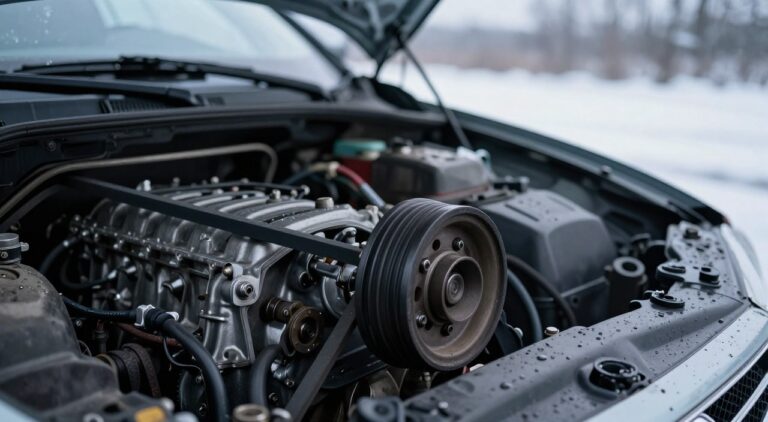
The steering system has many parts that work together. These parts help your car move when you turn the wheel. If you hear a steering wheel making clicking noise, it might mean a CV joint or steering linkage is worn or damaged.

Ignoring these sounds can be very dangerous. A bad CV joint can stop working or even break. This could make your car lose power or control while driving. Knowing about these parts helps you understand if it’s just a small problem or a big safety issue.
The table below shows common parts that make these sounds and how they can affect your car’s safety:
| Component | Primary Function | Failure Symptom | Safety Risk |
|---|---|---|---|
| CV Joint | Transmits power to wheels | Repetitive clicking | Drivetrain failure |
| Tie Rod End | Connects steering to wheels | Popping or clicking | Loss of steering |
| Ball Joint | Supports suspension weight | Clunking or clicking | Wheel detachment |
If your steering wheel making clicking noise, get it checked right away. Fixing it early can stop more damage. Being proactive keeps your car safe and reliable.
Safety First: Preparing Your Vehicle for Inspection
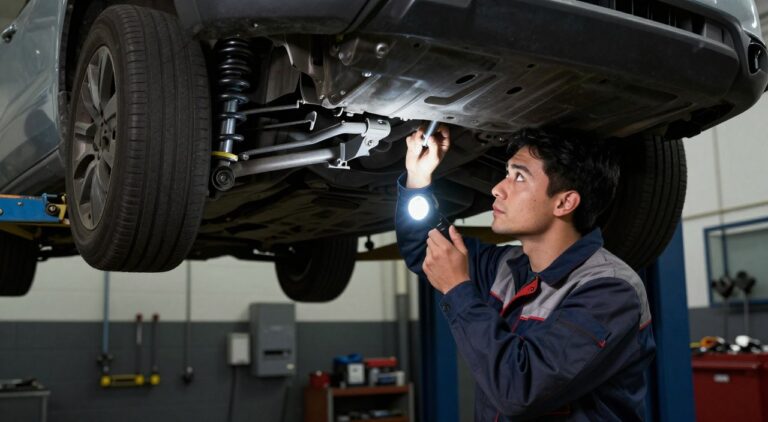
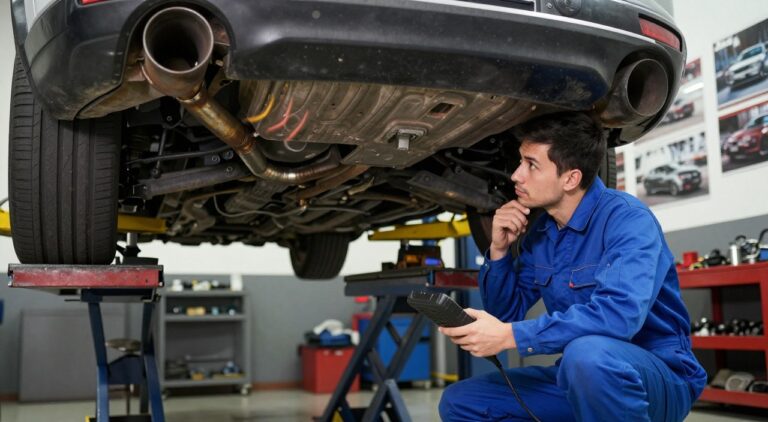
I always make sure the workspace is safe before I start looking for a steering wheel clicking sound. Fixing cars needs focus. You can’t focus if you’re worried about the car moving.
Before I start, I park the car on a flat, level surface. This keeps the car from rolling while I’m underneath or near the wheels. Never try to fix suspension issues on an incline or uneven ground.

To keep everyone safe, I follow strict safety rules every time. You should do the same to protect yourself when checking a steering wheel clicking sound:
- Engage the parking brake firmly to lock the rear wheels in place.
- Place heavy-duty wheel chocks behind and in front of the tires that remain on the ground.
- Make sure the transmission is set to «Park» for automatics or in gear for manuals.
- Wear safety glasses to protect your eyes from falling things or drips.
Getting ready properly is key to any DIY car fix. By securing your vehicle, you make a safe place to inspect. Taking your time now will prevent stress and injury later.
Inspecting the Constant Velocity (CV) Joints
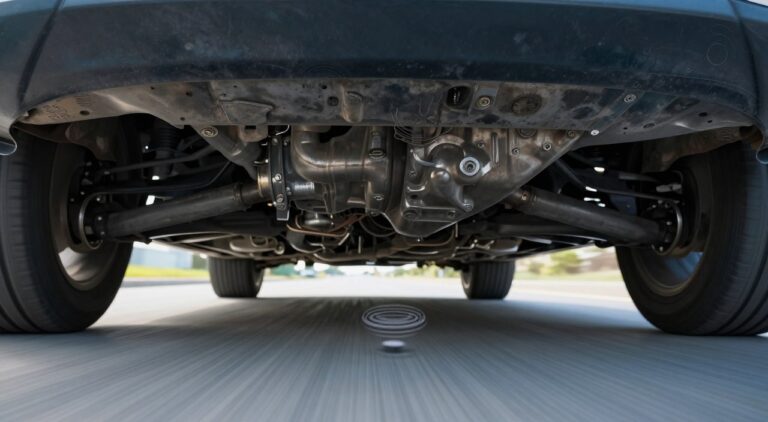
I often find that a clicking noise during turns comes from CV axles. These parts help move power to the wheels and let the suspension move. When they fail, you’ll hear a steering wheel clicking sound that gets louder when turning tight.

Identifying Torn CV Boots
The CV boots are rubber covers that keep grease in and dirt out. They can crack or tear from road salt, heat, and constant movement. When they tear, grease leaks out, leaving the metal parts bare.
Without grease, dirt and water get in, causing the parts to wear down fast. This is why you hear that steering wheel clicking sound when turning. Look for grease spray or rips in the boots with a bright light.
Testing for Play in the Axle Shaft
If the boots look good, check the axle shaft for play. Raise the car on jack stands safely. Hold the axle shaft firmly and shake it back and forth.
A good axle moves very little. If it clunks or feels loose, the bearings are worn out. This is why you hear a steering wheel clicking sound and needs fixing fast to avoid a broken axle.
| Component Condition | Visual Indicator | Mechanical Symptom |
|---|---|---|
| Healthy CV Joint | Intact rubber boot | Smooth power delivery |
| Torn CV Boot | Grease spray on frame | Grinding or clicking |
| Worn CV Joint | Excessive shaft play | Steering wheel clicking sound |
Checking the Steering Rack and Pinion System
The steering rack and pinion system is key. It turns your steering wheel into wheel movement. If your car makes clicking noise when turning, check this area first. It’s important for your car’s safety and how it handles.

Locating Fluid Leaks in the Steering Rack
Fluid leaks are a sign of a bad steering rack. Look at the rubber bellows on the rack. If they’re wet or cracked, the seals are broken.
Persistent leaks mean your steering might feel heavy. If you see fluid, fix it fast. This stops the rack from getting stuck.
Evaluating Steering Rack Bushings for Wear
The rack’s mounts are also important. They’re rubber and help absorb shocks. But, they can wear out over time.
If the mounts are loose, you’ll hear a clicking sound. Use a pry bar to check the mounts while the car is up. If it moves too much, you need new bushings.
Examining Tie Rod Ends and Ball Joints
If your car makes clicking noise when turning, it might be the tie rod ends or ball joints. These parts wear down and lose their tight fit. This makes the clicking sound you hear when you turn.
Performing the Hand-Shake Test on Wheels
I suggest the hand-shake test to check for loose parts. Lift your car so the front wheels are off the ground. Hold the tire at the 3 and 9 o’clock spots and wiggle it.
If you feel movement or clunking, your tie rod ends need fixing. This test shows if your steering is working right. A good steering system keeps you safe.
Visual Inspection of Rubber Dust Boots
Look at the rubber dust boots too. They keep grease in and dirt out. If you see cracks, tears, or leaking grease, the joint is bad.
When the seal breaks, dirt and water get in. This harms the bearings. Replacing the boots early can prevent a big repair cost later.
Investigating the Steering Column and Clock Spring
When you hear a clicking noise when turning car, check the steering column first. Many think it’s the suspension, but it might be inside. Finding where the noise comes from can save time and avoid fixing things that aren’t broken.
Distinguishing Internal Clicking from External Mechanical Noise
External noises, like failing CV joints, sound like metal hitting metal. They get louder as you go faster. But, if it sounds like plastic-on-plastic rubbing or a light click, it’s probably the steering column or clock spring.
Listen to where the sound comes from to tell if it’s inside or outside. A clicking noise when turning car that sounds like it’s coming from the dashboard is likely from inside. Sounds that are muffled and far away might be from the outer parts.
Risks of Damaging the Airbag Clock Spring
The clock spring is a thin, sensitive cable that lets the steering wheel move. It connects to the airbag and horn. If you mess with it wrong, you can permanently damage it. This could make your airbag light come on and the airbag might not work in an accident.
Be very careful when working near the steering column to avoid the airbag going off by mistake. If you think the clock spring is making the clicking noise when turning car, it’s best to get a pro. They know how to handle these parts safely, keeping your car safe to drive.
Tools Required for Steering System Repairs
Before you start fixing that annoying clicking noise, you need the right tools. Having the right tools is the first step to fixing your car safely and well. Preparation is truly the key to avoiding a frustrating mechanical ordeal.
Essential Hand Tools for Suspension Work
To fix a clicking noise, you need a strong set of metric sockets and wrenches. A good torque wrench is very important. This is because suspension parts need to be tightened just right.
You also need a ball joint separator or a tie rod puller. These tools help you loosen stuck joints without hurting other parts.
Deep-well sockets are great for reaching bolts in steering assemblies. A breaker bar is useful for nuts that are stuck. These tools help you do the repairs well and with confidence.
Safety Equipment and Jack Stand Requirements
Don’t work under your car on a hydraulic jack alone. You need heavy-duty jack stands on solid, level ground for safety. Make sure the stands are locked before you get under the car.
Wheel chocks are also key to keep the car from moving while you work. Wearing safety glasses is a good idea to protect your eyes from debris or grease. Here’s a list of basic tools you should have for your repair.
| Tool Category | Specific Item | Primary Purpose |
|---|---|---|
| Lifting | Jack Stands | Secure vehicle support |
| Fastening | Torque Wrench | Ensuring bolt tightness |
| Removal | Tie Rod Puller | Releasing joints safely |
| Safety | Wheel Chocks | Preventing vehicle movement |
Step-by-Step Guide to Replacing CV Axles
You can fix the clicking when turning steering wheel by following this guide. Replacing a damaged CV axle is key to fixing your car. Make sure to tighten every bolt right to avoid problems later.
Removing the Wheel and Brake Caliper Assembly
First, park your car on a flat surface and use the parking brake. Loosen the lug nuts before lifting the car. Use a jack and stands to lift it safely.
After removing the wheel, take off the brake caliper. Hang the caliper with a bungee or wire. Never hang it by the brake hose to avoid damage.
Disconnecting the Lower Ball Joint and Strut
To pull out the old axle, disconnect the steering knuckle. Start by removing the cotter pin and castle nut from the lower ball joint. You might need a ball joint separator tool.
Then, remove the bolts holding the strut to the knuckle. Be careful not to damage the brake lines or ABS wires. Once loose, pull the knuckle out to remove the outer CV joint.
Installing the New Axle and Reassembling Components
Slide the new axle into the housing until you hear a click. This means the retaining clip is in place. Align the splines with the wheel hub and push the axle through.
Use a torque wrench to tighten the axle nut as the manual says. Reattach the lower ball joint and strut. Put back the brake rotor, caliper, and wheel. This will fix the clicking when turning steering wheel and make your car ready to go.
Replacing Worn Tie Rod Ends
Worn tie rod ends often cause a clicking when turning steering wheel. They connect the steering rack to the wheels. This lets your steering work smoothly.
When they wear out, you might hear a noise. This noise happens when you turn the wheel slowly.
Removing the Cotter Pin and Castle Nut
First, park your car on jack stands and remove the front wheel. Find the tie rod end on the steering knuckle. You’ll see a cotter pin and castle nut to keep it tight.
Use needle-nose pliers to pull out the cotter pin. Then, use a socket wrench to unscrew the castle nut. It’s important to keep these parts organized for easy reinstallation.
Using a Tie Rod Puller to Release the Joint
The tie rod end is hard to remove by hand. Use a tie rod puller tool for steady pressure. This avoids damaging the rubber boots or steering knuckle threads.
Don’t hit the joint with a hammer. It can harm the steering rack. Once the tension is gone, the joint should come out easily. Then, unscrew the old tie rod end from the inner rod.
Ensuring Proper Alignment After Installation
After putting on the new tie rod end, tighten the jam nut well. Always get a professional wheel alignment after this repair. A small mistake can cause uneven tire wear and bad handling.
| Component | Common Symptom | Recommended Action |
|---|---|---|
| Tie Rod End | Clicking when turning steering wheel | Replace and Align |
| Ball Joint | Clunking over bumps | Inspect and Replace |
| Steering Rack | Fluid leaks or stiff steering | Professional Diagnosis |
By following these steps, you can fix the clicking when turning steering wheel. This will make your car steer like new again. Always check that all fasteners are tightened right before driving.
When to Seek Professional Mechanical Assistance
Fixing a steering wheel clicking when turning needs careful thought. You should know your limits. Some car parts are too important to fix yourself.
Recognizing Complex Steering Rack Failures
Steering rack problems often hide inside. Look out for signs like binding or weird feedback. These could mean a big problem inside.
Fixing these issues needs special tools most people don’t have. Trying to fix it yourself can make driving very dangerous.
The Importance of Post-Repair Wheel Alignment
Many people think fixing a part is all you need to do. But, changing the steering can mess up your car’s balance.
Ignoring wheel alignment can cause uneven tire wear and bad handling. Safety is my top priority. Getting your wheels aligned right after fixing the steering is key for safe driving.
Preventative Maintenance to Avoid Steering Noises
Regular maintenance is key to stop steering problems. It keeps your car quiet and reliable for a long time. Just a few minutes of checking your car can prevent a clicking noise turning wheel problem.
Regular Inspection of Rubber Components
Rubber parts like CV boots and bushings protect your car. They can dry out or crack from road debris and heat. I suggest a thorough visual inspection every time you change your oil.
Check for grease leaks or rubber cracks. If you see a tear, replace it right away. This stops dirt from getting in and causing damage. Catching these issues early keeps your steering smooth and quiet.
Monitoring Power Steering Fluid Levels
Your power steering needs clean, pressurized fluid to work right. Low fluid can make the pump work hard, causing sounds or stiff steering. I always check the fluid level during routine maintenance.
Use the right fluid type as your manual says. If the fluid is dark or smells bad, it needs a flush. Keeping your system lubricated stops pump failure and clicking noise turning wheel problems.
Conclusion
Your car has many parts that keep you safe. If you hear a clicking sound when you turn the wheel, fix it fast. This stops big problems with your car’s parts.
Don’t wait to take care of your car. Check the rubber boots and fluid levels often. A quiet car makes every drive better.
You know when your car needs help. You can fix small things yourself or go to a mechanic. Either way, you’re keeping your car safe.
Talk about fixing your car’s steering in forums. Your stories help others keep their cars running well. Drive safely and feel good about your car’s condition.
FAQ
Why do I hear a clicking noise when turning steering wheel at low speeds?
A clicking noise often means a worn-out CV joint. This happens when the rubber boot tears. Then, grease leaks out, and grit gets in, wearing down the bearings.This makes a clicking or popping sound, like when parking or turning at corners.
Is it dangerous if my car makes clicking noise when turning?
Yes, it’s very dangerous. A clicking noise means a part might fail. This could make steering hard or even stop while driving.I always check this noise right away because it’s very important for safety.
How can I distinguish between an external steering wheel clicking sound and an internal one?
I listen for where the sound comes from. A loud click from the wheel wells is usually an outside problem. But a soft click from behind the airbag might be inside.
Can a low power steering fluid level cause a clicking noise turning wheel?
Low fluid might make a whining sound. But sometimes, it can cause a clicking noise. This happens if the steering rack is dry or seals have failed.Check your fluid and look for leaks to avoid expensive repairs.
Why is my steering wheel clicking when turning only when I turn in one direction?
This clue helps a lot. If it clicks only when turning right, it’s the left CV joint that’s failing. The noise is loudest when the vehicle’s weight shifts during a turn.
Do I need special tools to fix a clicking noise when turning car?
You’ll need more than basic tools. I use a torque wrench, tie rod puller, and jack stands. Never rely on just a hydraulic jack when inspecting under the vehicle.
Will a professional alignment stop the clicking noise when turning wheel car?
An alignment won’t fix the noise. But it’s a must after fixing the parts. Replacing parts changes the vehicle’s geometry.Always get a professional laser alignment to keep tires even and steering straight.