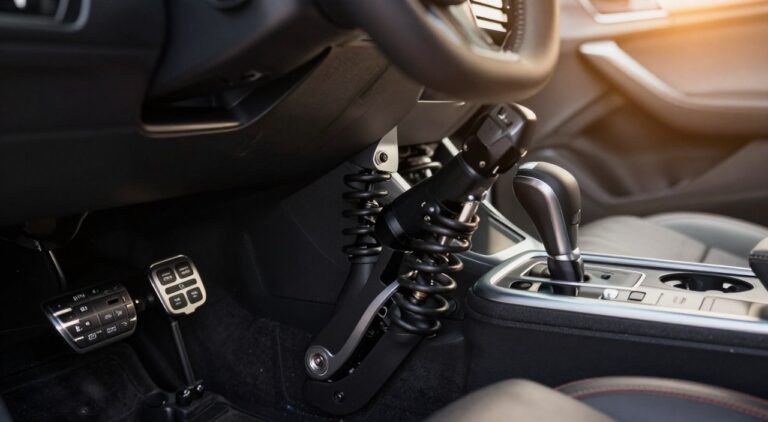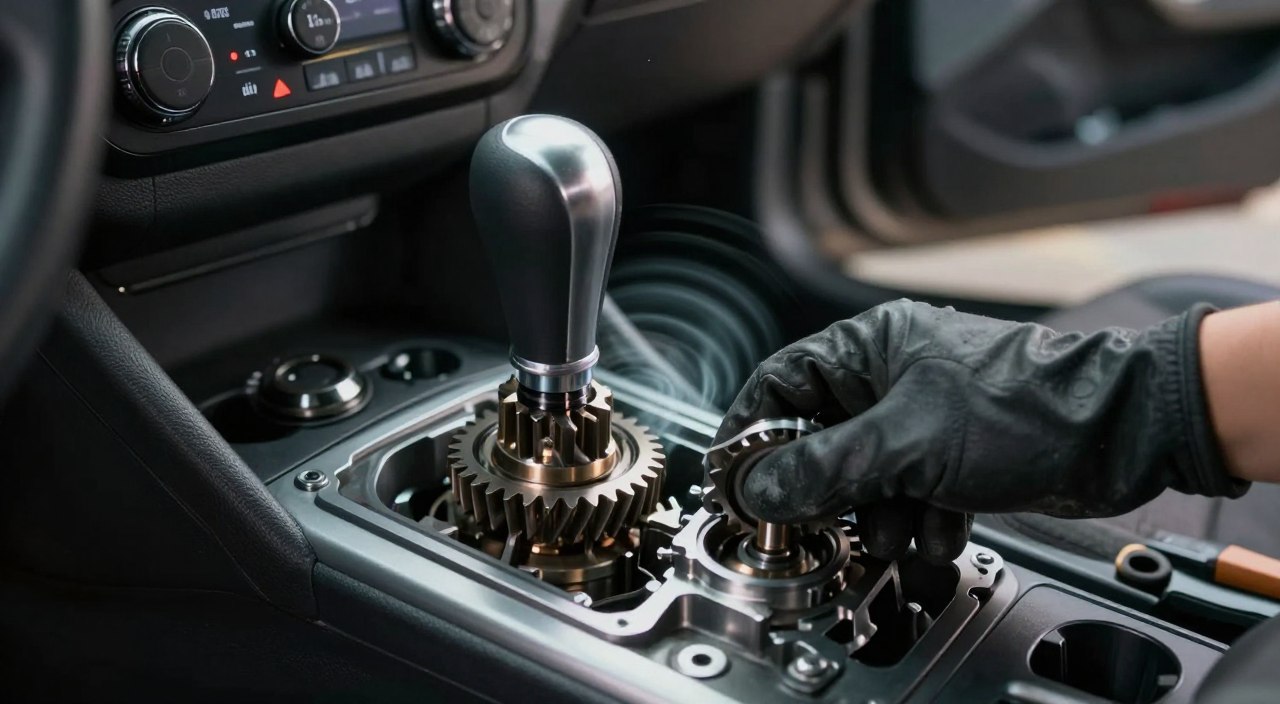
Grinding noise when shifting gears How to Fix It Fast
I wrote this guide to help you fix the grinding noise when shifting gears. This problem is common and can be scary. But, you don’t have to worry.
My aim is to help you find and fix these sounds early. This way, you can avoid big repair costs. And, you’ll keep your car safe to drive every day.
Taking immediate action is key. Many people ignore small problems. This can lead to a big, expensive fix. I’ll show you how to check for issues. This way, you can drive confidently and keep your car in top shape.
Understanding the Mechanics Behind Grinding Noise When Shifting Gears
Grinding noise when shifting gears comes from deep inside your car. Many parts work together to move power from the engine to the wheels. If one part doesn’t fit right, you might hear unpleasant sounds.

How Manual Transmissions Engage Gears
In a manual car, you move gears yourself. When you press the clutch, it disconnects the engine from the transmission. This lets you choose a new gear ratio.
Proper engagement means the gear teeth fit together smoothly. If the clutch doesn’t fully disengage, you might hear a harsh sound. This is a sign of gearbox issues.
The Role of Synchronizers in Smooth Shifting
Synchronizers help gears of different speeds work together. They use friction to match speeds. This makes shifting smooth.
When synchronizers wear down, they can’t match speeds well. This causes the gear teeth to collide, making a grinding noise. Keeping synchronizers healthy is key for a smooth driving experience.
Automatic Transmission Valve Body and Torque Converter Functions
Automatic cars change gears with fluid pressure, not manual input. The valve body controls this fluid. It decides which gears to use based on speed and throttle.
The torque converter connects the engine and transmission. If it fails, the car might not shift right. This can cause gearbox issues like strange noises or delayed shifts. These problems need a pro to fix.
Initial Diagnostic Steps for Identifying Transmission Issues
When my car acts up, I start with a plan. I check simple things first. This helps me find out if it’s a small problem or a big one.
Checking Transmission Fluid Levels and Condition
I always check the transmission fluid first. Clean, properly leveled fluid keeps the gearbox running well. If the fluid is low or dirty, it means something is wrong inside.

I look at the dipstick or fill plug to see if the fluid is right. Never ignore the color or smell of the fluid. A dark, smelly fluid means the transmission is too hot.
Listening for Specific Patterns in the Noise
I listen to the sound to find the problem. A car transmission noise changes pitch when shifting gears. I check if it’s louder when speeding up or when slowing down.
At times, I hear a clunking sound when changing gears. This might mean a loose mount or a worn driveshaft. Knowing if the sound is steady or random helps me figure out what’s wrong.
Performing a Stationary Gear Engagement Test
I do a test while the car is still. I shift gears slowly with the engine running and parking brake on. This helps me see if the clunking sound when changing gears is from inside or outside.
If the car is quiet when still but makes noise when moving, it’s likely a drivetrain or differential problem. Taking these small steps helps me fix the car with confidence.
Common Causes of Grinding in Manual Transmissions
Knowing why manual transmission noise happens is key to a smooth drive. In a manual car, parts must work together perfectly to shift gears smoothly. If they don’t, you’ll hear a loud, metal sound from the gearbox.

Worn Synchronizer Rings and Their Impact
Synchronizer rings help gears match speeds. When they wear out, they can’t do this job well. This leads to a grinding noise when shifting gears because gears don’t mesh right.
Clutch Drag and Improper Disengagement
Clutch drag happens when the clutch doesn’t fully release. This makes it hard to shift gears without force. You might feel resistance or hear noises when trying to shift gears while stopped.
Low or Contaminated Gear Oil
Good gear oil is vital for a manual gearbox. Low oil or dirty oil means parts don’t slide smoothly. This causes manual transmission noise when you drive.
- Increased friction: Wears down bearings and shafts fast.
- Heat buildup: Damages the oil’s chemical makeup.
- Metal contamination: Damages delicate parts.
Damaged Gear Teeth and Internal Components
Grinding can damage gear teeth over time. Once teeth are damaged, gears can’t lock properly. This makes the grinding noise when shifting gears worse, leading to gear failure.
Troubleshooting Automatic Transmission Shifting Problems
Fixing automatic transmission issues needs a close look at both the parts and the computer system. Unlike manual boxes, these use complex systems to work right. When these systems go wrong, you might feel like the gears are grinding.

Identifying Solenoid and Valve Body Failures
The valve body is like the brain of your transmission. It tells the fluid where to go. If a solenoid breaks, it can’t control this flow well. This leads to hard or slow shifts.
These vehicle shifting problems feel like the car is shaking. Many people think it’s because of mechanical issues.
The Link Between Torque Converter Issues and Noise
The torque converter helps move power from the engine to the transmission. When it starts to fail, you’ll hear a car transmission noise. This might sound like whining or rattling.
If you ignore these signs, the converter could get very damaged. This might mean you need to replace it completely.
Transmission Control Module Software Glitches
Modern cars use a Transmission Control Module (TCM) to control shifts. Sometimes, bugs in the software or bad data can cause problems. These automatic transmission problems can be fixed with a simple update.
This update can make the car shift smoothly again. You might not need to do big repairs.
| Symptom | Potential Cause | Severity |
|---|---|---|
| Harsh Shifting | Solenoid Failure | Moderate |
| Whining Noise | Torque Converter | High |
| Erratic Gear Changes | TCM Software | Low |
| Delayed Engagement | Valve Body Wear | Moderate |
Safety Precautions Before Attempting Repairs
When you hear a clunking sound when changing gears, don’t rush to look under the car. Safety is key when doing transmission repair. Working under a heavy car is very risky.
Securing the Vehicle on Jack Stands
Don’t just use a hydraulic floor jack to hold the car. Jacks can break without warning, causing big problems.
- Always use heavy-duty jack stands that can hold your car’s weight.
- Make sure the stands are on a flat, solid concrete surface.
- Put the car on the right lift points before starting work.
Handling Hazardous Transmission Fluids Safely
Transmission fluid is dangerous and needs careful handling. I always wear gloves and safety glasses to avoid skin problems and spills.
Don’t pour used fluid down the drain or on the ground. Put it in a sealed container and take it to a place that accepts hazardous waste.
When to Seek Professional Mechanical Assistance
If the clunking sound when changing gears doesn’t go away, get help. Sometimes, fixing it yourself isn’t enough.
Big problems need special tools and a lot of experience. Getting professional transmission repair early can save your car and money.
Step-by-Step Guide to Replacing Manual Transmission Fluid
Many shifting problems can be fixed by changing the fluid. Over time, the oil breaks down. It loses its ability to protect and help gears move smoothly.
Want to stop that manual transmission noise? Start with a new oil change. Fresh oil keeps your gearbox quiet and working well.
Gathering Necessary Tools and Supplies
Make sure you have everything before you start. The right tools make the job safer and easier.
- Manufacturer-recommended gear oil (check your owner’s manual for the exact weight).
- A fluid transfer pump or a long-neck funnel.
- A set of box-end wrenches or a socket set for the drain and fill plugs.
- A clean drain pan to catch the old fluid.
- Rags or shop towels for cleaning up spills.
Draining Old Fluid and Inspecting for Metal Shavings
First, lift the vehicle high enough. Find the drain plug at the bottom of the transmission. Put a drain pan under it and remove the plug.
Watch the fluid’s color and how it flows. Check the magnetic drain plug for metal shavings. These can mean the transmission needs fixing soon.
Refilling with Manufacturer-Recommended Gear Oil
When the old fluid is gone, clean the drain plug. Put it back and tighten it right. Then, find the fill plug on the side of the transmission.
Remove the fill plug and add new oil. Use the exact oil type the maker suggests. It has special additives to reduce manual transmission noise and help gears shift smoothly.
Adjusting the Clutch Linkage to Eliminate Grinding
Often, a quick tweak to the clutch linkage fixes vehicle shifting problems. If the clutch doesn’t fully disengage, the gears clash. This is a common issue for many drivers.
Locating the Clutch Cable or Hydraulic Master Cylinder
First, figure out if your car has a mechanical cable or hydraulic system. The clutch cable is near the transmission bell housing or under the dashboard. For hydraulic systems, the master cylinder is on the firewall near the brake booster.
Proper identification is key before adjusting. A thick cable means you have a mechanical linkage. A fluid-filled reservoir indicates a hydraulic setup.
Fine-Tuning the Pedal Free Play
After finding the system, check the pedal free play. This is how far the pedal moves before engaging the clutch. Too much slack can cause manual transmission noise.
To adjust the cable, turn the nut at the cable housing end. For hydraulic systems, adjust the pushrod length. Always follow the manufacturer’s specs for optimal performance.
Testing for Improved Gear Engagement
After adjusting, test the changes. Start the engine and shift gears while stationary. If the grinding stops, you fixed the problem.
If the noise doesn’t go away, check your settings again or look for wear. Keeping your clutch linkage in good shape helps avoid manual transmission noise and keeps your gearbox running longer.
Addressing Internal Gearbox Issues
When simple fixes don’t work, the problem might be inside the transmission. These gearbox issues often come from wear and tear. You might need a deeper look to fix your car.
Inspecting Shift Forks and Selector Rods
Shift forks and selector rods move gears. Over time, they can wear out. Look for signs of wear or misalignment.
If your gear lever feels off, check the selector rods. They might be worn out. Replacing them early can prevent more damage.
Replacing Worn Bearings and Seals
Bearings help the transmission run smoothly. If they fail, you’ll hear a whining noise. Ignoring this can cause big problems.
Also, check the seals for damage. A leak can hurt your transmission. Replacing seals is a smart move.
Determining When a Full Transmission Rebuild is Necessary
Choosing between a small fix or a full rebuild depends on the damage. If there’s a lot of damage, a rebuild is needed.
The table below shows how hard different repairs are. It helps you understand your situation.
| Repair Type | Complexity | Estimated Effort |
|---|---|---|
| Seal Replacement | Low | Moderate |
| Shift Fork Adjustment | Medium | High |
| Bearing Overhaul | High | Very High |
| Full Transmission Rebuild | Extreme | Professional Level |
If fixing parts costs too much, a full rebuild might be better. Always talk to a pro if you’re not sure. Making the right choice now can save you trouble later.
Preventative Maintenance to Avoid Future Transmission Damage
I think keeping up with maintenance is key to a long-lasting car. By being proactive, you can avoid big repair costs. Fixing vehicle shifting problems early helps keep your transmission working well.
«An ounce of prevention is worth a pound of cure.»
Benjamin Franklin
Adhering to Recommended Service Intervals
Every car maker has a schedule for oil changes and filter swaps. It’s important to stick to these plans. Old oil can’t protect your car’s parts like new oil can. Skipping these checks can lead to early wear and damage.
Driving Habits That Extend Transmission Life
How you drive affects your car’s transmission. Try not to speed up too fast and make sure to stop before shifting gears. These habits help reduce stress on your transmission.
- Avoid resting your hand on the gear shifter while driving.
- Use the parking brake before putting the transmission in park on inclines.
- Allow the engine to warm up briefly during cold weather.
Monitoring for Early Warning Signs of Gear Slipping
Always watch for small changes in your car’s performance. If you hear odd car transmission noise or feel a pause when speeding up, don’t ignore it. Catching gear slipping early helps fix small problems before they get big.
When to Replace Your Transmission Instead of Repairing
Many car owners wonder if they should fix or replace their transmission. Small fixes can help your car last longer. But, there’s a point where fixing it doesn’t make sense anymore. Knowing when to stop fixing and replace is key for your wallet.
Evaluating the Cost-Benefit Ratio of Major Repairs
For big transmission repair jobs, compare the cost to your car’s value. If the repair costs more than half of what your car is worth, it’s time to think about a new one. Spending a lot on an old car might not be worth it.
Also, check if other parts of your car are getting old too. If they are, a new transmission might not be the best choice. Always choose what’s best for your car’s future, not just a quick fix.
Signs of Catastrophic Internal Failure
Some signs mean your transmission is seriously damaged. A loud clunking sound when changing gears means something inside is broken. This severe mechanical issue can’t be fixed with just fluid changes.
Also, if your gear slipping doesn’t stop, it’s a bad sign. This means seals or clutches have failed. When you see these gearbox issues, it’s likely metal debris is everywhere. In this case, replacing the transmission is the safest choice.
Choosing Between Remanufactured and Used Transmissions
If fixing your transmission isn’t an option, you have to pick between a remanufactured or used one. A remanufactured transmission is rebuilt to work like new and comes with a warranty. This is the most reliable option for keeping your car running well for years.
Used transmissions are cheaper but might have hidden problems. Saving money now might not be worth the trouble later. I recommend a remanufactured unit for peace of mind and better performance.
Conclusion
Keeping your transmission in good shape helps your car last longer. Watch for small changes in how your car shifts. This can prevent big problems later.
Look for signs of gear slipping every day. Finding these issues early can save you from big troubles.
Make sure to check your fluid regularly and listen to your engine. These steps help keep your car running well for a long time.
If you see problems that won’t go away, get help from a mechanic. Taking care of your car means safer and smoother rides.
FAQ
Why am I hearing a persistent grinding noise when shifting gears in my manual transmission?
A grinding noise when shifting gears often means worn synchronizer rings. These parts help the gear speed match the output shaft speed. If they wear out, the gears clash, making a harsh sound.Clutch drag is another common cause. This happens when the clutch doesn’t fully disengage. It makes the transmission internals spin while trying to shift gears.
What does a clunking sound when changing gears indicate about my vehicle’s health?
A clunking sound might mean bad transmission mounts or CV joints. If a mount’s rubber is gone, it can shift under torque, making a thud. But, if the sound is inside, it could mean big gearbox problems.Try a stationary engagement test to see if the sound happens when still. This can help figure out the issue.
How can I tell if my automatic transmission problems are related to the fluid or the electronics?
First, check the fluid. Burnt smell or dark chocolate milk color means wear. But, if the fluid is clean and you have shifting problems, it’s likely an electronic issue.Look for a «Check Engine» light. Use a good OBD-II scanner to diagnose it.
Is gear slipping a symptom that requires an immediate transmission repair?
Yes, gear slipping is a big safety issue. It means the engine RPMs go up but the car doesn’t speed up. This usually happens in automatics due to worn-out parts or low fluid pressure.Ignoring it can lead to losing power while driving. Always check your fluid levels first.
Can I resolve manual transmission noise by simply changing the gear oil?
Changing gear oil can help a lot. Fresh oil, like Royal Purple Max Gear, can reduce or get rid of noise. Old oil can’t lubricate well, causing noise.While oil change won’t fix broken gears, it’s a good first step. It’s also the cheapest option.
What are the most common causes of vehicle shifting problems in modern cars?
Modern cars often have problems with hydraulics and sensors. Blocked passages or failing clutches can cause bad shifts. In manuals, leaking cylinders can stop the clutch from releasing fully.Ignoring these signs can lead to more costly problems later.