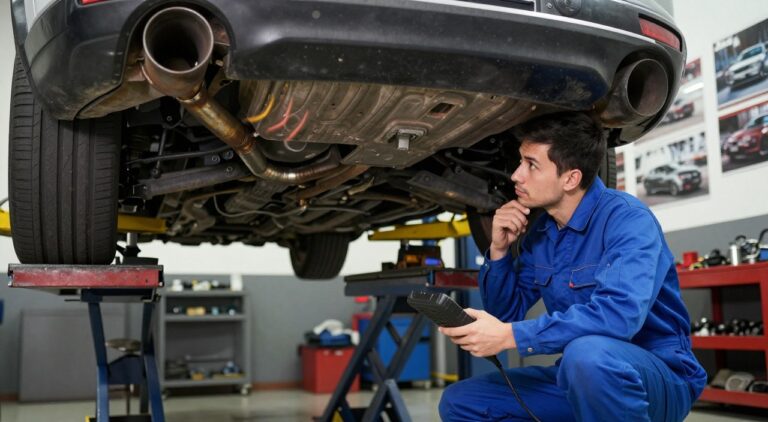
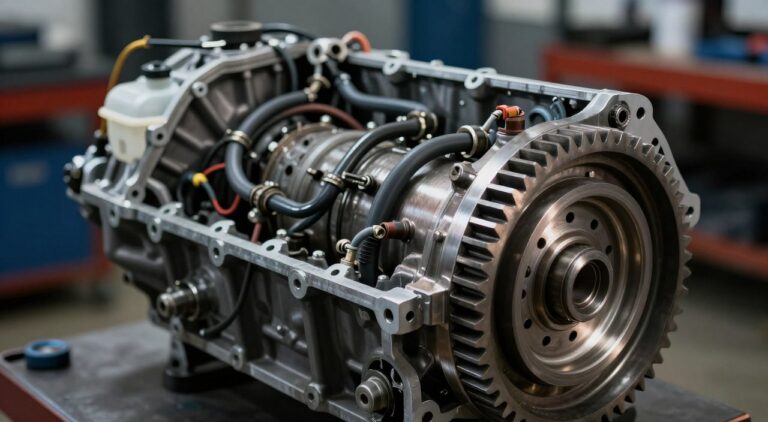
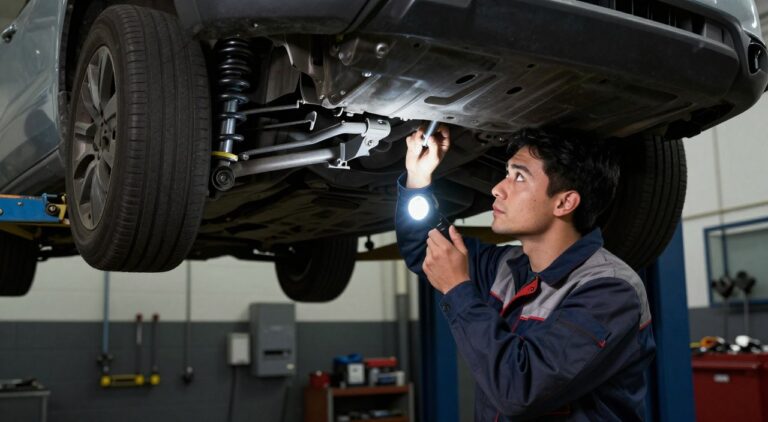
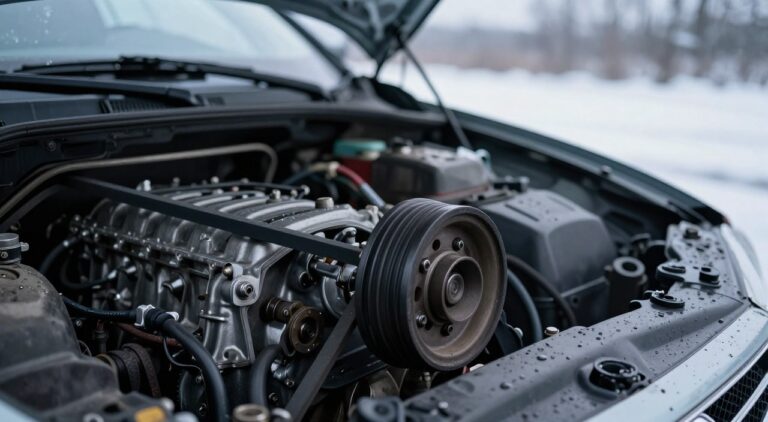
Hissing Sound from Under the Hood What to Check First
Heard a strange noise while driving? It can really worry you. If you hear a hissing sound from under the hood, don’t freak out. It’s key to stay calm for your car’s sake.
Troubleshooting car noises needs a careful plan. It helps figure out if it’s a small leak or a big problem. Not fixing it can lead to big costs or even break your engine.
Knowing your car’s health is important. Some leaks are simple to fix, but others need a pro fast. Let’s find out how to spot these problems early.
Key Takeaways
- Spotting odd engine sounds early can save you a lot of money.
- A hissing noise usually means a leak in the cooling or vacuum system.
- Always keep safety first; never open a hot radiator cap to check for leaks.
- Telling apart harmless sounds from serious issues helps avoid stress.
- If you can’t find the leak, get a pro to help.
Safety First When Investigating Engine Noises
Looking into a car hissing noise needs more than tools. It needs a strong focus on safety. Before I open the hood, I make sure it’s safe to avoid accidents.
Preparing Your Workspace
I park my car on a perfectly level surface before checking it. This stops the car from moving while I work on it.
I never check a noisy car engine when it’s running or hot. I wait for it to cool down to avoid burns from hot parts.

Essential Safety Gear and Precautions
Wearing the right gear is very important. I always have durable work gloves ready to protect my hands from sharp things and hot spots.
I also wear safety glasses to protect my eyes. This keeps my eyes safe from fluids or debris that might spray out.
When to Stop and Call for Professional Help
There are times when a car hissing noise is too hard for me. If I can’t find the problem, I stop.
Trying to fix a noisy car engine without knowing how can cause big problems. If I’m unsure, I call a certified mechanic to fix it right and safely.
Understanding the Mechanics of a Hissing Sound from Under the Hood
I start by listening to the noise’s sound. A hissing sound from under the hood means a pressurized system is leaking. This happens when gas or fluid escapes fast through a small hole.
Good engine sound diagnostics find these leaks. It could be a vacuum leak or a cooling system problem. The air or liquid moves from high to low pressure.

Why Engines Make Hissing Noises
Engines use closed loops to keep pressure steady. If a seal or hose fails, the pressure pushes the contents out. This makes the sound I hear.
Leaks often happen near the intake manifold or radiator. These parts get hot and pressurized, wearing out over time. I use the sound’s pattern to find the problem.
Differentiating Between Hissing, Whistling, and Squealing
Not all noises under the hood mean the same thing. I sort these sounds by their pitch and pattern for better engine sound diagnostics. A dull hiss is different from a sharp whistle or squeal.
This table helps me tell these sounds apart:
| Sound Type | Primary Cause | System Involved |
|---|---|---|
| Dull Hiss | Vacuum or Coolant Leak | Intake or Cooling |
| High-Pitch Whistle | Air Intake Restriction | Induction System |
| Sharp Squeal | Belt Slippage | Accessory Drive |
| Metallic Grinding | Bearing Failure | Pulleys or Alternator |
This guide helps me find the hissing sound from under the hood fast. Knowing the sound’s type saves time and avoids wrong repairs. I check the sound when the engine is hot to be sure.
Checking the Cooling System for Leaks
Looking for a hissing noise means checking your car’s cooling parts. A noisy car engine often points to the cooling system. A small leak can turn into a big problem if not fixed.

Inspecting Radiator Hoses for Cracks
First, I look at the rubber hoses for wear. Heat and pressure make them brittle. If a hose feels soft or has cracks, it needs to be replaced.
Identifying Coolant Leaks on Hot Engine Components
A engine hissing sound can come from coolant on hot parts. When it hits hot metal, it turns to steam. Look for white or crusty spots on the engine to find leaks.
Testing the Radiator Cap Pressure Seal
The radiator cap keeps the cooling system at the right pressure. If the seal fails, coolant leaks out. Check the seal for damage to keep the system sealed.
| Component | Common Symptom | Action Required |
|---|---|---|
| Radiator Hose | Soft spots or cracks | Replace immediately |
| Radiator Cap | Steam escaping | Test or replace seal |
| Coolant Reservoir | Low fluid levels | Check for external leaks |
Locating Vacuum Leaks in the Engine Bay
A engine hissing sound often means a vacuum line is broken. These hoses help control air and emissions. But, they can wear out from the heat under the hood.
If a hose breaks, the engine gets too much air. This messes up the air-fuel mix. You might feel the engine shake or idle badly.
Visual Inspection of Rubber Vacuum Lines
First, I check the engine bay carefully. I look for hoses that are dry, cracked, or too big. These are signs they might break soon.
I also check where hoses connect to other parts. Sometimes, a hose just comes loose. This makes a car hood hiss that’s easy to fix.

Using the Soapy Water Method to Find Leaks
If I can’t see the problem, I use soapy water. I mix soap and water in a spray bottle. Then, I spray the hoses when the engine is off.
Start the engine and watch. If there’s a leak, bubbles will show up where the air is getting in.
Listening for Changes in Engine Idle
I also listen to the engine while moving hoses. If the engine sound changes, I found the problem.
This trick helps when the car hood hiss is hard to find. By checking each hose, I know which one to fix.
| Symptom | Likely Cause | Diagnostic Method |
|---|---|---|
| Rough Idle | Vacuum Leak | Listen for Hissing |
| Brittle Hoses | Heat Damage | Visual Inspection |
| Bubbles Forming | Air Intake Breach | Soapy Water Test |
| Erratic RPM | Loose Connection | Wiggle Test |
Evaluating the Air Conditioning System
When my car makes a car hood hiss when I turn on the AC, I check the cooling parts right away. It’s easy to get confused with engine sounds. But finding the air conditioning problem is key.
If the car hissing noise only happens when the AC is on, it’s probably in the AC system.
Checking the AC Compressor and Refrigerant Lines
I first look at the AC compressor and refrigerant lines. I search for oil residue, which means a leak. Refrigerant oil is oily and attracts dirt, making it easy to see on metal.
- Check the compressor housing for wet, oily patches.
- Inspect the rubber and metal refrigerant lines for cracks or wear.
- Look for debris buildup around the hose fittings.
Recognizing Hissing During AC Engagement
It’s important to tell normal sounds from real problems. Sometimes, a hissing sound is just the expansion valve working. But a loud car hissing noise means a leak that needs fixing.
If the sound keeps going after you turn on the AC, the system is losing pressure. In this case, I don’t use the AC anymore to protect the compressor. Getting a certified technician to fix it is the best choice.
Inspecting the Exhaust Manifold and Gaskets
A hissing sound from under the hood might come from the exhaust, not the intake. Many think any loud noise near the engine is a vacuum leak. But, the exhaust manifold is often the real problem.
Signs of an Exhaust Manifold Leak
When I check for car problems, I look for signs of a bad gasket. Black soot around the manifold flange is a big clue.
You might smell exhaust inside the car while it’s idling. A big leak can make a ticking or hissing sound that gets louder when you speed up.
Why Exhaust Leaks Sound Like Hissing
The exhaust manifold is under a lot of pressure. Hot gases move fast when a gasket fails or a bolt breaks.
This fast gas makes a sharp, high-pitched hissing sound from under the hood. It sounds like air being sucked in. It’s important to tell intake and exhaust sounds apart when diagnosing car problems.
Examining the Brake Booster Diaphragm
A vehicle hood hiss often means the brake booster’s vacuum is broken. This part needs engine vacuum to make the brake pedal work better. If the rubber diaphragm tears, air gets in where it shouldn’t.
Testing the Brake Booster for Vacuum Integrity
To check if your booster leaks, try this. Turn off the engine and press the brake pedal many times. This gets rid of any vacuum left.
Then, hold the pedal down and start the engine. Keep the pressure up. If the pedal goes down a bit, it’s working right. But if you hear a vehicle hood hiss or the pedal feels hard, the diaphragm is broken.
How a Faulty Booster Affects Engine Performance
A broken diaphragm does more than just make a vehicle hood hiss. It lets air into the engine. This can make the engine idle badly, stall, or not go fast enough.
Also, a bad booster makes it harder to stop the car. This is very dangerous, as it can cause accidents. Here’s what happens when it fails:
| Symptom | Impact on Braking | Impact on Engine |
|---|---|---|
| Torn Diaphragm | Hard, stiff pedal feel | Rough or erratic idle |
| Vacuum Leak | Increased stopping distance | Lean fuel mixture codes |
| Check Valve Failure | Loss of power assist | Audible hissing noise |
Investigating the PCV Valve and Breather Hoses
The Positive Crankcase Ventilation (PCV) system is often overlooked. It helps control gases in your engine. If it fails, you might hear a hissing sound.
When I check for car problems, I start with the PCV system. Keeping it in good shape stops oil leaks. It also helps the engine breathe right.
Locating the Positive Crankcase Ventilation Valve
I look for a small valve near the engine top. It’s connected to the valve cover by a hose. You might need to move some covers to see it.
Check the hoses for cracks or hardening. Heat and age can damage them. If they’re brittle, they need to be replaced.
Signs of a Stuck or Clogged PCV Valve
I test the valve by shaking it. If it rattles, it’s working. If it’s silent, it might be stuck.
«A well-maintained engine is the heartbeat of a reliable vehicle, and even the smallest valve plays a critical role in its longevity.»
I also look for oil residue or poor idle. A clogged valve can cause a hissing sound. Fixing it early saves a lot of trouble.
Assessing Accessory Drive Belts and Pulleys
A worn tensioner pulley can make a sound like a car hissing noise. This can lead to wrong repairs if not identified correctly. When I’m diagnosing car problems, I check the accessory drive system first. Belt problems usually cause a squeal, but a failing bearing sounds dry and hissing.
Differentiating Belt Slip from Vacuum Hiss
To figure out the source, listen to where the sound comes from. A vacuum leak makes a steady hiss that doesn’t change with engine speed. But, a pulley bearing noise gets louder or softer with engine RPM.
If you think it’s a belt problem, spray water on it while the engine runs. If the noise stops or changes, it’s slipping. If it keeps going, it’s probably a failing pulley bearing and not a vacuum leak.
Checking Tensioner Pulley Bearings
After finding the sound in the accessory drive, check the tensioner pulley. Turn off the engine and cool it down. Look for any lateral play or wobbling in the tensioner.
A good pulley spins smoothly without any grinding or resistance. If it moves when pushed or pulled, the bearings are worn. Replacing the tensioner is key to fixing the problem. Make sure the belt is tight after putting in a new pulley to avoid more issues.
Tools You Need for Effective Engine Diagnostics
When I hear a strange hiss from my car’s hood, I use special tools to fix it. The right tools make fixing my car easier. They help me find problems before they get worse.
Basic Diagnostic Tool Kit Essentials
Every garage needs basic tools. I always have a bright LED flashlight, different screwdrivers, and pliers ready. These tools help me check the engine bay well.
Good wrenches are also important for tightening things or taking off covers. Keeping things organized is crucial when working in small spaces. Clean tools are ready for the next task.
Using a Mechanic’s Stethoscope for Pinpointing Sounds
A vehicle hood hiss can be hard to find because sounds bounce off metal. I use a mechanic’s stethoscope to find the source of the sound. It helps me pinpoint where the air is leaking.
This tool is like a special microphone for your ears. It helps me tell apart normal sounds from bad ones. Being precise is its biggest advantage.
Digital OBD-II Scanners for Hidden Error Codes
Modern cars often hide clues in their systems. I use digital OBD-II scanners to find these clues. They show me how the engine is doing in real-time.
If something is off, the computer logs a code. This saves me a lot of time. It’s a key part of my engine sound diagnostics routine.
| Tool Name | Primary Function | Difficulty Level | Cost Estimate |
|---|---|---|---|
| LED Flashlight | Visual Inspection | Beginner | Low |
| Mechanic’s Stethoscope | Sound Isolation | Intermediate | Low |
| OBD-II Scanner | Code Retrieval | Intermediate | Medium |
| Socket Set | Component Removal | Beginner | Medium |
Conclusion
You now know how to find those strange hissing sounds. Fixing car noises takes time and careful steps. This keeps your car running well.
When your car sounds different, check it right away. Regular checks stop small problems from getting big. You learn a lot about your car by doing these checks.
It’s important to know when to fix things yourself and when to get help. Knowing how to fix noises helps you take good care of your car. Keep your tools ready and be curious about your car’s engine.
Still puzzled by a sound? Tell us about it. Your story helps others keep their cars in top shape.
FAQ
What is the first thing I should do when I hear a hissing sound from under the hood?
When I hear a hissing sound from under the hood, I stop first. I pull over and turn off the engine. This is because a car hissing noise might mean a leak.
How can I tell if an engine hissing sound is caused by a coolant leak?
I look for steam or a sweet smell. A leak in the cooling system is common. I check the radiator cap for signs of a leak.
Why does my vehicle hood hiss only when I step on the brake pedal?
A leak in the brake booster diaphragm is likely. Pressing the brake makes air leak, causing a sound. This affects how well the car stops.
What are the best methods for engine sound diagnostics regarding vacuum leaks?
I use soapy water on vacuum lines to find leaks. I also listen with a mechanic’s stethoscope. This helps find where air is escaping.
Can a car hood hiss be related to the air conditioning system?
Yes, it might be the AC system. Look for oily residue on the compressor and lines. This helps tell if it’s a normal sound or a problem.
What tools do I need to begin troubleshooting car noises on my own?
I keep a stethoscope and a digital OBD-II scanner ready. Tools like these help find the source of the noise and any error codes.
Is it possible for an exhaust leak to sound like a car hissing noise?
Yes, it’s possible. A leak in the exhaust system can sound like a vacuum leak. Look for soot and smell raw exhaust fumes.
How does a faulty PCV valve contribute to a noisy car engine?
A stuck or clogged PCV valve builds up pressure. This causes air to leak out, making a hissing sound. A simple shake test can tell if it needs to be replaced.