Squeaking Noise When Braking Low Speed How to Stop It
I’ve heard a high-pitched sound when stopping my car. It’s scary and makes me worry about my car’s safety.
This article will help you fix the squeaking noise when braking low speed. You’ll learn how to make your car quiet again. This way, your car will be safe and reliable for your daily trips.

I’ll show you how to check and fix your car. We’ll find simple ways to solve the problem. Knowing why your car makes braking noise at low speed is key to a better driving experience.
Key Takeaways:
- Identify common causes for friction-related sounds.
- Learn how to perform a basic visual inspection of your pads and rotors.
- Discover effective maintenance tips to prevent future issues.
Understanding Why Your Car Makes a Squeaking Noise When Braking Low Speed
Dealing with brake squeal is really frustrating. It happens when I’m pulling into my driveway or stopping at a stop sign. This squeaking noise when braking low speed might seem scary, but it’s usually just physics.

The Mechanics of Brake Squeal
The sound comes from high-frequency vibrations. When I press the brake, the pads squeeze the rotor. This creates friction. If the pad or metal vibrates at a certain frequency, it makes that sharp sound.
These vibrations get louder because of the metal parts. If the pad and rotor don’t fit perfectly, it makes a braking noise at low speed. It’s like a violin string making a sound.
Common Environmental Factors in the United States
In the United States, different climates affect cars. Coastal areas have high humidity, and northern states use a lot of road salt. Both can make brake parts rust faster.
This rust makes the rotors rough. This roughness increases friction and noise.
The table below shows how different environments affect brake squeal:
| Environmental Factor | Impact on Brakes | Resulting Noise Level |
|---|---|---|
| High Humidity | Surface oxidation | Moderate |
| Road Salt | Corrosion of hardware | High |
| Heavy Rain | Temporary film buildup | Low |
| Extreme Heat | Pad glazing | High |
Knowing about these environmental factors helps me take better care of my car. I understand that brake squeal is often caused by things outside my car. This helps me keep my car running well.
Initial Inspection Steps to Identify the Source of the Noise
When I hear a strange sound, I start by looking at the brake system closely. A careful check helps me save time and money. I can tell if the brake squeal is from wear or a bigger problem by examining the parts.

Visual Check of Brake Pads and Rotors
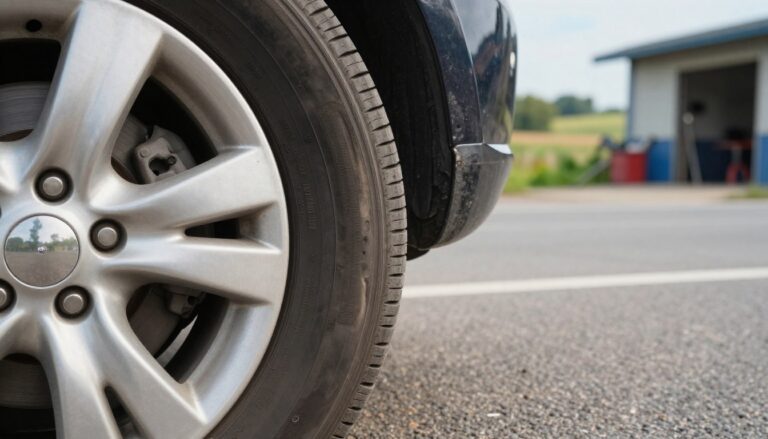
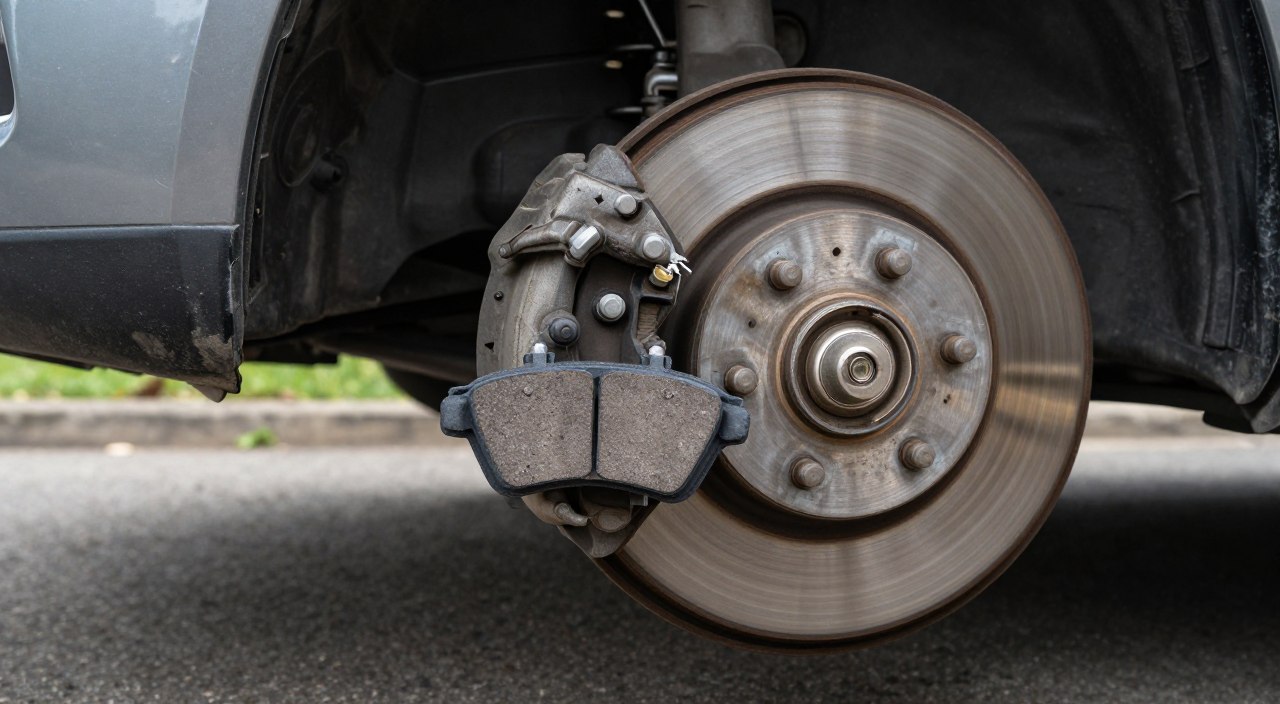
I first check the brake pads for uneven wear. This shows if the calipers are working right. I also look for deep marks on the rotors. These signs mean the metal might need fixing.
If the pads are thin or the rotors look glazed, they’re likely the problem. Finding these issues early stops more damage. Regular checks keep us safe on the road.
Checking for Debris and Road Grime
Not all problems come from wear. I often find small rocks or dirt trapped between parts. This is a common cause of a slow speed brake squeak when braking lightly.
Even a small rock can make a loud noise as it rubs against the rotor. I shine a light to check for debris behind the dust shield. Removing this often fixes the slow speed brake squeak right away, saving me from costly fixes.
Step One: Cleaning Your Brake Components
My first step is to clean the brake parts well. I find that brake dust causes most noises. Cleaning it out often makes the brakes quiet again without needing new parts.

Using Brake Cleaner Safely
I always use a special brake cleaner when working on my car. It’s important to wear eye protection and work where air moves well. This keeps me safe from harmful fumes.
I don’t use compressed air to clean brakes. It can spread harmful dust. Instead, I use the liquid cleaner to safely remove debris. This keeps my area clean and fixes the slow speed brake squeak well.
Removing Dust from Calipers and Hardware
Next, I clean the calipers and other parts. I spray the cleaner to get rid of the dirt that builds up. This helps stop the noise that happens when stopping slowly.
After cleaning, the brakes are quieter right away. I make sure to clean the clips and pins so they move well. Getting rid of this dust is a simple way to stop the slow speed brake squeak for good.
Step Two: Applying Brake Quiet Lubricant
I find that a simple high-temperature grease can quiet down noises. When I tackle noisy brakes slow speed, I focus on stopping vibrations. This keeps driving smooth and quiet.

Selecting the Right High-Temperature Grease
Not all greases work well for car brakes. I pick a synthetic, heat-resistant lubricant made for this job. Regular grease melts or gets washed away by heat.
Good brake grease keeps parts safe and working for a long time. Picking the right one is key to stop brake noise low speeds.
Where to Apply Lubricant on Brake Pads
I put a thin layer of lubricant on the back of brake pads. I also cover the caliper brackets and slide pins. This stops metal-on-metal contact that causes squealing.
Avoiding Contact with Friction Surfaces
Be very careful not to get grease on friction surfaces. If it does, it can hurt stopping power and safety. Always clean up any extra grease right away to avoid brake noise low speeds.
| Lubricant Type | Heat Resistance | Best Use Case |
|---|---|---|
| Silicone-Based | High | Rubber seals and pins |
| Ceramic-Based | Very High | Back of brake pads |
| Lithium-Based | Low | Not recommended |
Step Three: Inspecting Brake Pad Wear Indicators
If your car screeches when braking slow, it might be trying to tell you something. Many cars have a special warning system. It alerts you before the brakes fail.
Understanding the Built-in Squealer Tab
The squealer tab is a small metal piece on the brake pad. It touches the rotor when the pad wears down. This makes a high-pitched sound.
This sound is a warning. It’s made by car designers. They want you to know when it’s time for a brake check.
When It Is Time for a Full Replacement
When the squealer tab touches the rotor, it’s time to replace the pads. Driving like this can damage the rotor. This can cost a lot to fix.
Look for these signs to know when to replace the pads:
- The high-pitched squeal happens every time you stop.
- Your car stops less well than before.
- The brake pedal feels soft or hard to press.
- The pad looks very thin, less than 1/8 inch.
Replacing the pads early keeps your car safe. It also saves you money on repairs. Always take care of your brakes.
Step Four: Checking for Glazed Brake Pads
If your car makes a sound when you slow down, it might have glazed brake pads. This happens when brake pads get too hot. They then harden like glass.
This hard layer makes it hard for the pads to stop the car right. It causes a car screeching when braking slow.
Identifying the Signs of Glazing
Take off the wheel to see the brake pads. A good pad looks matte and textured. It should grip the rotor well.
If the pad looks shiny, it’s glazed. This means it can’t stop the car right.
How to Properly Bed-in New Brake Pads
To fix glazing, bed-in the pads properly. This makes them work better. It stops the car screeching when braking slow.
Find a safe place to stop a few times. Stop from 35 mph to 10 mph. Don’t stop completely to avoid material buildup.
Let the brakes cool for a few minutes. This helps the material stick to the metal.
Step Five: Evaluating Rotor Condition and Surface Irregularities
Checking the rotors is key when I hear a low speed brake noise. Even if my brake pads look fine, the rotors might not. I look for signs of damage on the rotor face to keep my brakes working right.
Detecting Warped or Scored Rotors
I watch how the brake pedal feels when I stop. A pulsating sensation means my rotors are warped. Warped rotors stop the pads from touching evenly.
I also check for deep grooves or scoring on the rotors. These cause a low speed brake noise as the pads catch on them. If I see lines or feel scratches, the surface is not smooth.
Deciding Between Resurfacing and Replacement
After finding damage, I decide if the rotor can be fixed. I check the minimum thickness on the rotor hub. If it’s still thick enough, a shop can make it smooth again.
But if it’s too thin or damaged, I replace it. Replacing costs more but is safer and more cost-effective in the long run. A flat surface is the only way to stop the annoying noise.
Step Six: Addressing Caliper and Hardware Issues
I often find that the most stubborn low speed brake noise comes from caliper pins and clips. Many drivers ignore these parts, but they are key to quiet brakes. If they are stuck or rusty, the brakes don’t work right.
Lubricating Caliper Slide Pins
Old cars often have unwanted friction from dry caliper slide pins. I take out these pins to check for damage. Then, I clean them and use brake grease to help them slide smoothly.
It’s important for the caliper to move well. This lets it press the brake pads evenly. If it doesn’t, the pads can rub against the rotor, making a squeal. Keeping the pins lubricated helps the system work right.
Replacing Worn Anti-Rattle Clips
I also check the anti-rattle clips for wear or rust. These small parts keep the brake pads in place. If they lose their grip, the pads can vibrate, causing low speed brake noise.
Replacing these parts is easy and often fixes problems. I always put in new clips when I do brake work. This small step keeps the brakes quiet and working well.
| Hardware Component | Primary Function | Maintenance Action | Frequency |
|---|---|---|---|
| Caliper Slide Pins | Allows caliper movement | Clean and re-grease | Every pad change |
| Anti-Rattle Clips | Secures brake pads | Inspect and replace | Every pad change |
| Caliper Boots | Protects pins from debris | Check for tears | Annual inspection |
When to Seek Professional Help for Noisy Brakes
Even if you’re good at fixing things yourself, sometimes you need a pro. I like to do my car’s maintenance myself. But, if I hear a squealing sound when braking slow, I wonder if it’s just a simple fix or something bigger.
Recognizing Signs of Hydraulic System Failure
I watch my brake pedal closely. If it feels soft or spongy, it might mean a problem with the hydraulic system. This could be air in the lines or a leaky master cylinder, both serious issues.
Ignoring these signs can make stopping hard. If the pedal goes all the way down or feels weird, it’s time to stop driving. A squealing sound when braking slow might be just the start of bigger problems.
The Importance of Professional Brake Service
Going to a pro means they can check for bigger problems. They have the right tools to do a full brake check. They can find wear that you might miss at home.
Getting professional help makes me feel sure my car is safe. Here’s a quick guide on when to fix it yourself versus when to go to a shop.
| Service Type | DIY Suitability | Professional Requirement |
|---|---|---|
| Pad Replacement | High | Low |
| Hydraulic Flushing | Low | High |
| Rotor Resurfacing | Low | High |
| Master Cylinder Repair | Very Low | High |
My main goal is to keep my car safe. If I’m unsure about a squealing sound when braking slow, I’ll get a pro’s help. It’s better than risking a brake failure.
Preventative Maintenance Tips to Keep Brakes Quiet
Stopping that squealing sound when braking slow starts with regular care. I keep my car in top shape to avoid problems. This way, I save time and money.
Regular Brake System Inspections
I always check my brakes when I change my tires. This helps me find issues early, like thin pads or dirt. Regular checks keep my car running smoothly.
«An ounce of prevention is worth a pound of cure.»
Benjamin Franklin
Driving Habits That Extend Brake Life
I’ve changed how I drive to protect my brakes. I slow down before stopping and use gentle pressure. This reduces wear on my rotors and pads.
These small changes make my car quiet and easy to drive. By driving carefully, I make my brakes last longer. This keeps my car safe and reliable for all my trips.
Conclusion
Keeping your car in good shape makes driving safer. You now know how to fix your car’s noise when braking slow. You don’t need a mechanic for every little thing.
Use these tips to keep your brakes working well. Regular checks stop small issues from becoming big problems. A quiet car makes driving more fun for everyone.
I want you to feel sure when driving. If your car makes noise when braking slow, you can fix it fast. Taking care of your car keeps you safe on every trip.
Share your stories about these tips. Your feedback helps others keep their cars running well. I’m excited to hear about your success in keeping your brakes quiet and reliable.
FAQ
Why do my brakes make a persistent squeaking noise when braking low speed?
A squeaking noise when braking low speed is usually caused by vibrations. These vibrations happen when the brake pads and rotors don’t have enough lubrication. Even good pads can vibrate if they’re not fitted right.
How do environmental factors contribute to braking noise at low speed?
Climate is a big factor, like in the United States. High humidity or road salt can make rotors rust. This rust causes noise until the pads clean the rotors.
Can debris cause a sudden slow speed brake squeak?
Yes, it’s common. Small rocks or grime can get trapped between the rotor and dust shield. Cleaning with CRC Brakleen fixes the squeak or grinding sound.
What is the best way to silence noisy brakes slow speed?
Clean and lubricate the brakes. Use a cleaner to remove brake dust. Then, apply Permatex Ultra Disc Brake Caliper Lube to pads and slide pins. This stops the vibrations without harming the brakes.
Is my car screeching when braking slow a sign that I need new pads?
It might be. Modern brake pads have a metal tab that squeaks when worn. This tab warns you it’s time for new pads before you damage the rotors.
Why does my car make noise when braking slow even though the pads look thick?
If your pads look thick but still squeak, it’s «glazing.» This is when pads overheat and become hard. Scuffing the pads or a «bedding-in» procedure can fix this.
How do caliper slide pins affect brake noise low speeds?
Badly lubricated or seized caliper slide pins cause uneven pressure. This leads to dragging and noise. Clean and grease these pins to keep the caliper moving smoothly.
When should I be worried about a squealing sound when braking slow?
A squealing sound is usually just a bother. But watch for changes in the brake pedal. A soft pedal could mean a hydraulic problem. If so, see a pro at AAMCO or Firestone.