How to Fix Whining Noise When Accelerating Automatic Transmission
Have you heard a strange sound from your car lately? A whining noise when accelerating automatic transmission is very stressful. It’s scary when your car makes noise while you’re just trying to get somewhere.
Ignoring these sounds is risky. Early detection is key to avoid big problems. Finding the issue early can save you a lot of money.
In this guide, I’ll show you how to find the problem. We’ll figure out where the sound is coming from. This will help your car run smoothly again and give you peace of mind while driving.
Understanding the Mechanics of Transmission Noise
Knowing how your car works is key to figuring out strange sounds. Automatic cars use special gears and pumps to shift smoothly. These parts make a soft hum, which is normal in many cars.
But if this hum turns into a loud transmission whining noise, you should listen more closely. Knowing how these parts work helps us understand why we hear certain sounds while driving.

How Automatic Transmissions Generate Sound
The main sound in an automatic car comes from the gear teeth meshing. As power moves through the gears, the metal makes a slight vibration. Hydraulic pumps also make sounds by moving fluid to shift gears.
Usually, this sound is okay. You might hear it more when the car is cold or speeding up. This is because the fluid and parts are moving together.
Differentiating Between Normal Operation and Mechanical Failure
It’s important to tell normal sounds from ones that mean trouble. A good transmission makes a steady hum that doesn’t change much. But if the automatic transmission whining sound gets louder when you speed up, it might mean wear and tear.
Here are things to check if your car needs a check-up:
- Pitch Consistency: Does the sound change a lot when you shift gears?
- Volume Levels: Is the noise loud enough to be heard over the radio or normal road conditions?
- Performance Changes: Do you feel any hesitation or slipping while the noise is present?
If the noise is loud and the car shifts slowly or smells bad, it’s likely a problem. If unsure, compare the sound to another car model to see if it’s normal.
Diagnosing the Source of Whining Noise When Accelerating Automatic Transmission
Finding the cause of an automatic transmission whining sound is often about watching closely. You don’t need fancy tools to start. First, figure out if the noise goes up with engine speed or when the car moves.
Identifying Pitch Changes During Acceleration
Listen to how the sound changes as you speed up. If it gets louder with engine RPM, it might be the torque converter or pump.
If the sound changes only with car speed, it’s probably the output shaft or final drive. Careful listening is key at this step.

Pinpointing the Location of the Sound
After getting a sense of the sound’s behavior, I inspect physically. Always use heavy-duty jack stands for safety when listening with the wheels spinning.
«Precision in diagnosis is the difference between a simple fix and a total system failure.»
— Automotive Engineering Wisdom
Distinguishing Between Engine and Transmission Whine
Many think the whine comes from the engine, but it’s often the transmission. First, check the alternator, power steering pump, and water pump by removing the serpentine belt.
If the noise goes away, the transmission is fine. If it stays, the problem is inside the drivetrain.
Using a Stethoscope for Precise Diagnosis
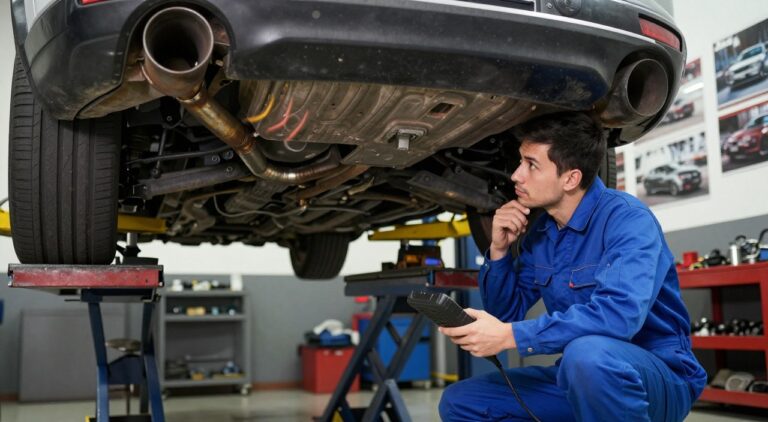
I use a mechanic’s stethoscope to find the sound’s source. Place the probe on the transmission bell housing while the car is up. This lets me hear the gears and bearings well.
This method helps me fix only what’s wrong. Systematic isolation means I avoid replacing parts that are still good.
Checking Transmission Fluid Levels and Condition
If you hear a transmission noise when accelerating, check the fluid first. This simple check can find many problems before they get worse.
The Importance of Proper Fluid Levels
Low or dirty fluid causes transmission whining noise. Without enough fluid, parts don’t move smoothly.
This makes parts rub together, creating heat. The heat makes parts expand and grind, making a loud sound.

Analyzing Fluid Color and Smell
Looking at the fluid on the dipstick can tell you a lot. Healthy fluid is bright red or pink and smells sweet.
Signs of Burnt Fluid Indicating Overheating
Dark brown or black fluid means it’s been too hot. A strong burnt odor means something is wrong inside.
Detecting Metal Shavings in the Fluid
Wipe the dipstick on a white cloth and look for metal shavings. Seeing metal shavings means parts are breaking down.
| Fluid Condition | Color | Smell | Action Required |
|---|---|---|---|
| Healthy | Bright Red | Sweet/Oily | None |
| Degraded | Dark Brown | Mildly Burnt | Fluid Change |
| Critical | Black/Metallic | Sharp/Burnt | Professional Repair |
If you see a lot of debris, get a mechanic right away. Ignoring these signs will cost more later.
Inspecting the Torque Converter for Potential Failure
When I hear a whine when I accelerate, I check the torque converter. It connects your engine and transmission smoothly. If it fails, it makes a automatic transmission noise that’s hard to miss.

How a Failing Torque Converter Causes Whining
A bad torque converter makes a high-pitched sound because of friction. As I speed up, the sound changes. This happens because the parts inside can’t keep the fluid pressure steady.
Damage to the turbine or stator blades stops the fluid from flowing smoothly. This causes cavitation, which sounds like a whining sound. If I ignore this, my car could get very damaged.
Testing for Torque Converter Clutch Slippage
To see if the converter is failing, I do a stall test or watch the clutch. If the clutch slips, the engine RPMs go up but the car doesn’t speed up. This is why you hear transmission noise when accelerating.
Watching the tachometer while driving steady shows if the clutch is slipping. If the needle moves without touching the throttle, the clutch isn’t working right. This makes a lot of heat and noise.
Signs of Internal Bearing Wear
Wear on the bearings is a big problem. It sends metal bits everywhere, damaging the valve body and other parts. If not fixed, it can make the whole system fail.
| Symptom | Potential Cause | Severity |
|---|---|---|
| High-pitched whine | Bearing wear | High |
| RPM fluctuation | Clutch slippage | Medium |
| Metallic debris | Internal failure | Critical |
I always check for these signs early to avoid big repairs. Finding the noise’s source helps save your transmission. Proactive inspection keeps your car running well.
Evaluating Planetary Gear Sets and Internal Bearings
When I look into why transmissions go wrong, I often find the problem is with planetary gear sets. These parts are key to your car’s power flow. They work hard, and any wear can cause automatic transmission noise.
The Role of Planetary Gears in Gear Ratios
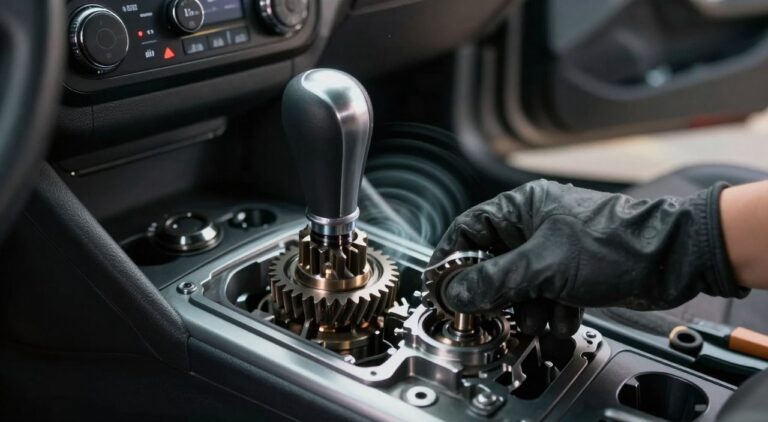
Planetary gear sets manage power by using a sun gear, planet gears, and an outer ring gear. This setup helps your car change gears smoothly. Proper lubrication is crucial to keep these gears running without metal rubbing against metal.
If the lubricant level gets low, the gears start to rub. This rubbing causes heat and wears down the gears. Over time, this can hurt your car’s transmission a lot.
Symptoms of Worn Gear Teeth
A car whining noise acceleration often means your gear teeth are damaged. The sound gets louder as you go faster. This is a sign that something is wrong with your gear set.
This problem often comes from using old or low fluid for too long. Once the teeth get damaged, it can hurt other parts. Not fixing this early can lead to bigger problems later.
Identifying Bearing Noise Under Load
Internal bearings help the gears and shafts spin smoothly, even when it’s hard. When these bearings start to fail, they make a growling or whining sound. This sound gets louder when you press the gas pedal. It’s a sign that something inside is wearing out.
You can tell if it’s the bearings by how the sound changes with the engine load. If the noise gets louder when you speed up or slow down, the bearings are struggling. Fixing this early is very important to avoid big damage to the gear train.
Assessing the Transmission Pump for Pressure Issues
The transmission pump is key to your car’s hydraulic system. It keeps the fluid pressure right for gear shifts and lubrication. If it fails, you might hear a car whining noise acceleration that needs fixing fast.
Why a Failing Pump Creates a High-Pitched Whine
A failing pump makes a high-pitched sound that gets louder when you speed up. This is because it can’t keep fluid flowing well. When you press the pedal, the accelerating noise automatic transmission gets louder, showing the pump’s struggle.
Testing Transmission Line Pressure
To check if the pump is the problem, test the line pressure with a special gauge. This test shows if the pump is having trouble keeping fluid flowing. Compare your results to what the maker says to see if everything’s okay.
- Connect the gauge to the transmission test port.
- Watch the pressure at idle and when you start moving.
- Check if it matches what the service manual says.
- Look for big drops in pressure that match the noise.
Common Causes of Pump Cavitation
Pump cavitation is another big problem. It happens when air bubbles form in the fluid. This makes a grinding whine and wears out the pump fast.
Things like low fluid or a clogged filter can cause this. If you hear an accelerating noise automatic transmission, check your fluid first. Fixing these problems early can save your car’s gears.
Identifying External Factors Mimicking Transmission Whine
Many people think a accelerating noise automatic transmission is the problem. But, other parts in the engine bay might be the real issue. These parts can make sounds that seem like the transmission is failing. Checking these parts first can save you money and trouble.
Checking Accessory Drive Belts and Pulleys
The accessory drive system can make high-pitched squeals that sound like transmission whine. A worn or misaligned serpentine belt can cause this. Look at the tensioner and idler pulleys for any signs of wear or noise.
Try running the engine without the accessory belt. If the noise goes away, it’s likely from an external part, not the transmission.
Inspecting Differential and Final Drive Components
The differential and final drive parts can also make gear sounds. They transfer power to the wheels and can whine if worn or low on fluid. The sound changes with speed.
Differential noise changes with speed and braking. Pay close attention to how the sound changes. If it changes a lot, it might be the differential.
Evaluating Wheel Bearing Noise
Worn wheel bearings can make a humming or whining sound that gets louder with speed. This sound is often mistaken for a accelerating noise automatic transmission. But, there’s a simple test.
Turn the steering wheel while driving. If the noise gets louder on one side, that bearing might be failing. This dynamic test helps figure out if it’s the wheel bearings or not.
Performing a Transmission Fluid Flush and Filter Replacement
When you hear a whining noise, check the transmission fluid first. Fluid breaks down over time and stops working well. This leads to sludge that blocks flow and makes noise.
Step-by-Step Fluid Exchange Process
Start by lifting the car and using jack stands. Then, find the transmission drain plug or loosen the pan bolts. Always make sure the engine is cool to avoid burns.
- Remove the transmission pan bolts in a cross pattern to prevent warping.
- Carefully lower the pan, as it will still contain residual fluid.
- Clean the pan thoroughly with a lint-free cloth and remove any metal shavings from the magnet.
Selecting the Correct Transmission Fluid Specification
It’s very important to use the right fluid for your car. The wrong fluid can damage your car’s seals and clutches. Always check the owner’s manual or dipstick markings for the correct grade.
Don’t think universal fluids are okay for your car. Using the wrong fluid is a common mistake that can cause big problems. Always use the fluid recommended by your car’s maker to keep your warranty and performance good.
Replacing the Internal Filter and Pan Gasket
When you remove the pan, you’ll see the internal filter. I always replace this filter when I change the fluid. A clogged filter can cause a whining noise.
Before putting the pan back, I install a new gasket for a tight seal. Proper torque is essential when tightening the pan bolts. After that, fill the transmission with fresh, approved fluid to the right level.
Addressing Mechanical Wear Through Professional Repair
Fixing a whining noise when you accelerate needs a good plan. If parts wear out a lot, just changing fluids won’t help. Think about what you want for your car before you decide how to fix it.
When to Opt for a Transmission Rebuild
A full rebuild is the best choice for keeping your car for a long time. A tech takes everything apart to replace old parts. This makes sure your car runs smoothly without the whining noise acceleration.
Understanding the Costs of Internal Component Replacement
How much you’ll pay for repairs depends on the damage. You’ll need to spend on good parts and skilled labor. Here’s how to save money:
- Get a detailed cost breakdown.
- Check if the shop offers a warranty on parts.
- Choose a shop with ASE-certified auto transmission experts.
- Don’t go for extra services without seeing the damage first.
Choosing Between Remanufactured and Used Transmissions
If a rebuild is too expensive or takes too long, think about a remanufactured or used transmission. A remanufactured transmission is as good as new and comes with a warranty. It’s a smart choice for quality and value.
A used transmission is cheaper, but it’s risky. It might have the same whining noise acceleration problem. Think about the cost and the risk of it breaking again.
Preventive Maintenance to Avoid Future Transmission Noise
After fixing your transmission, keeping it in good shape is key. Regular care stops mechanical wear. This keeps your car quiet and reliable for a long time.
Establishing a Consistent Fluid Change Schedule
Changing your car’s fluid too often is smart. It’s better than waiting for the manual’s schedule. This keeps parts from rubbing together.
Consistency is the key to longevity. Changing fluid and filters more often stops damage. This simple step keeps transmission noise acceleration away.
«An ounce of prevention is worth a pound of cure when it comes to the complex internal workings of an automatic transmission.»
Installing an Auxiliary Transmission Cooler
Heat harms your car’s transmission. High fluid temperatures cause oil to break down. This leads to wear and tear.
A cooler keeps heat away from important parts. It keeps your car’s temperature safe. This is a smart choice for your car’s health.
Driving Habits That Extend Transmission Life
Your driving style affects your transmission. Avoid sudden acceleration. It’s hard on the car.
Always stop before shifting gears. This avoids stress on your car. These habits help keep your car quiet and smooth.
Conclusion
Fixing a whining transmission noise early is key to avoiding big problems. It saves you money and keeps your car running well.
You can now spot strange sounds while driving. Check your fluids and listen for changes in sound. This helps you catch problems before they get worse.
Don’t wait to fix unusual noises in your car. Small fixes now can save you from big repairs later. Taking care of your car keeps it safe and smooth for many miles.
Share your car repair stories or ask about Ford or Toyota cars. Talking about car care helps you learn more about your vehicle. I hope this guide helps you feel more confident while driving.
FAQ
What are the most common causes of a whining noise when accelerating automatic transmission vehicles?
A whining noise when accelerating can be caused by low fluid levels. It can also be due to a failing transmission pump or worn planetary gear sets. If the fluid level drops, the pump sucks in air, causing cavitation and a whining noise.Internal bearings in the torque converter or pump can also make this sound. This happens as they wear down over time.
How can I distinguish between a transmission noise acceleration and an engine accessory issue?
To figure out the source of the sound, watch if the pitch changes with engine RPM or speed. If the noise happens in park or neutral while revving, it’s likely a pump or engine accessory issue.But if the sound gets louder as the car speeds up and shifts gears, it’s probably a transmission problem.
Can a dirty filter lead to an accelerating noise automatic transmission?
Yes, a clogged filter can cause a whining noise in automatic transmissions. A restricted filter, like those from Wix or ACDelco, stops fluid from reaching the pump. This creates a whining noise that sounds like a vacuum leak or a siren.This indicates the pump is under stress.
Is it safe to drive my vehicle if I hear a transmission noise when accelerating?
No, it’s not safe to drive if you hear a transmission noise when accelerating. This sound is a warning sign of internal friction. Ignoring it can damage the planetary gears or torque converter.This can send metal shards through the valve body. A simple fluid service with Mobil 1 Synthetic ATF can save a transmission that would cost thousands to replace.
What should I look for in the fluid to diagnose an automatic transmission noise?
Check the dipstick for level, color, and smell to diagnose a transmission noise. If the fluid is bright red and at the right level, the whine might be mechanical, like a worn bearing.If the fluid is dark, smells burnt, or has metal shavings, it means the transmission is grinding. Using Castrol Transmax might help, but metal debris usually means a rebuild is needed.
How does a failing torque converter contribute to whining noise acceleration?
The torque converter has internal needle bearings that allow its parts to rotate at different speeds. When these bearings fail, they produce a whining noise that’s noticeable under load. I perform a stall test to check if the noise changes when the transmission is engaged in gear.A change in pitch during this test often points to the torque converter, not the main gear train.
Why does the transmission pump produce a high-pitched automatic transmission whining sound?
The pump keeps the hydraulic system running by maintaining constant pressure. If its gears are worn or there’s an intake restriction, it makes a high-pitched whining sound. This sound is most noticeable during cold starts or heavy acceleration.I use a pressure gauge to check if the pump meets the manufacturer’s specs, like Ford’s for Mercon V systems.
Can external components like wheel bearings mimic a car whining noise acceleration?
Yes, a bad wheel bearing can sound like a car whining noise acceleration. To tell them apart, watch how the sound changes with steering inputs. A worn SKF wheel bearing’s tone or volume changes with slight steering turns.But a transmission noise stays the same, no matter the steering angle, as it’s tied to the transmission’s rotational speed.