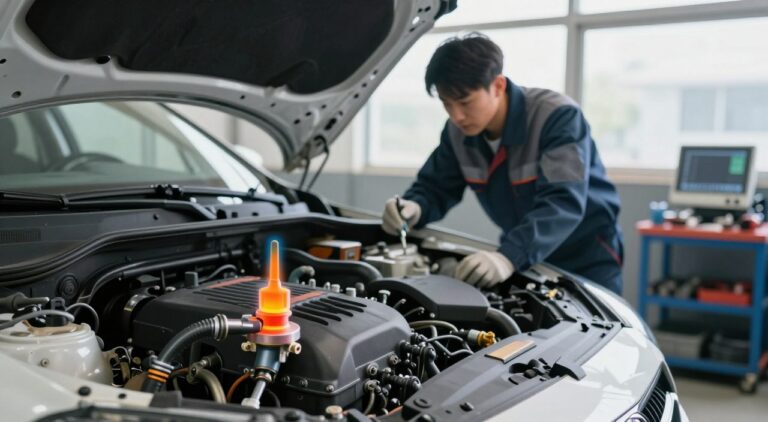
Symptoms of a Bad Catalytic Converter You Should Know
Your car’s exhaust system is key to keeping it running well. It also helps reduce harmful emissions. As a car owner, I’ve learned to watch how my engine performs closely. This helps avoid big repair bills.
Knowing the early symptoms of a bad catalytic converter is crucial. It keeps your car healthy for a long time.
Ignoring these signs can cause serious engine damage. This damage could have been stopped early. If your car uses more fuel or makes strange noises, act fast.
Timely action saves money and keeps your car running well.
By the end of this article, you’ll know how to watch your car closely. I aim to help you spot problems before they get worse. Let’s make sure your car stays in great shape for many years.
Understanding the Role of Your Catalytic Converter
Drivers often don’t think about what’s happening under their cars. The exhaust system has a special part to clean harmful gases. This part is called the catalytic converter.
It’s key for the environment and for your car to run well. Inside, a special structure coated with metals works hard. These metals change bad gases into safe ones.

When it works right, your car runs smoothly. But if it doesn’t, your car can get sick. Knowing the signs can help fix problems before they get worse.
The table below shows what the converter fixes and what it makes safe:
| Harmful Pollutant | Chemical Process | Resulting Substance |
|---|---|---|
| Carbon Monoxide (CO) | Oxidation | Carbon Dioxide (CO2) |
| Nitrogen Oxides (NOx) | Reduction | Nitrogen (N2) |
| Unburned Hydrocarbons | Oxidation | Water Vapor (H2O) |
Knowing how this works helps you take care of your car. Watch your car’s performance to spot problems early. A well-maintained converter keeps your car running strong and clean.
Common Symptoms of a Bad Catalytic Converter
Knowing the symptoms of a bad catalytic converter is key for car owners. Your car will show signs when this part starts to fail. Catching these signs early can prevent expensive engine damage.
There are three main signs to watch for: how your car runs, any unusual smells, and dashboard lights. Keeping an eye on these helps you know if your car is okay. Consistency is key in spotting mechanical problems.

Pay attention to how your car acts on daily drives. Many people think changes are just normal aging. But acting fast can save you a lot of money and time.
Here’s a simple checklist for checking your car:
- Performance: If your car feels slow or weak when you press the gas.
- Sensory: If you smell something bad or hear strange noises from under the car.
- Dashboard: If the check engine light comes on or you see trouble codes.
If you see any of these symptoms of a bad catalytic converter, get a pro to check it out. Ignoring these signs can hurt your car’s fuel use and emissions. Taking action early keeps your car running well and safe.
Engine Performance Issues and Power Loss
If your car feels slow, it might have a bad catalytic converter. The converter’s honeycomb gets clogged or damaged. This makes it hard for the engine to get rid of exhaust gases.

Reduced Acceleration and Throttle Response
A slow throttle response is a sign of trouble. When you press the gas, the engine has trouble speeding up. This makes driving hard and scary.
The engine feels like it’s trying to breathe. This makes it work too hard. You’ll notice your car isn’t as good as it used to be.
Engine Misfires and Rough Idling
Bad converters also cause engine misfires and a rough idle. Exhaust gases can’t get out, messing with the air-fuel mix. This can hurt your spark plugs and ignition coils.
Here’s how a bad converter affects your car:
| Performance Metric | Healthy Converter | Restricted Converter |
|---|---|---|
| Throttle Response | Instant and smooth | Sluggish and delayed |
| Engine Idle | Steady and quiet | Rough and vibrating |
| Acceleration | Consistent power | Noticeable power loss |
| Exhaust Flow | Unrestricted | High backpressure |
The Check Engine Light and Diagnostic Trouble Codes
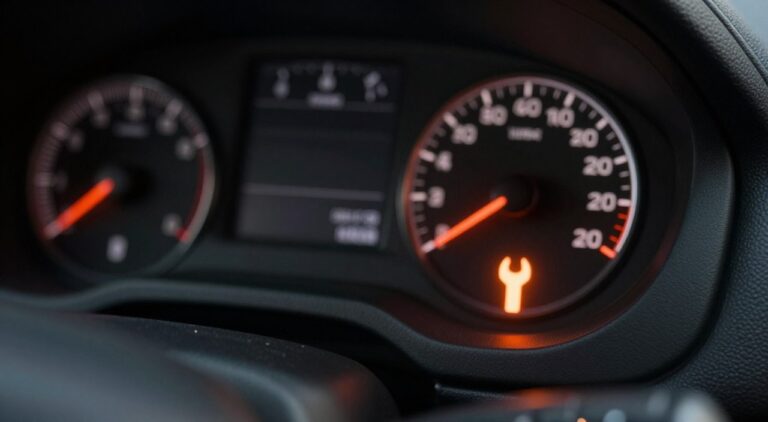
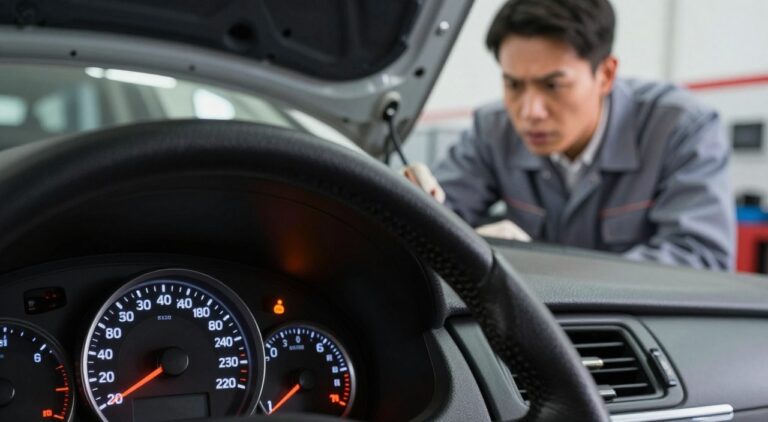
Many drivers ignore the warning lights on their dashboards. These lights tell you if your catalytic converter is failing. Your car’s computer checks your exhaust system with oxygen sensors.
If the sensors find a problem, the light turns on. This means your converter is not working right.

Interpreting P0420 and P0430 Codes
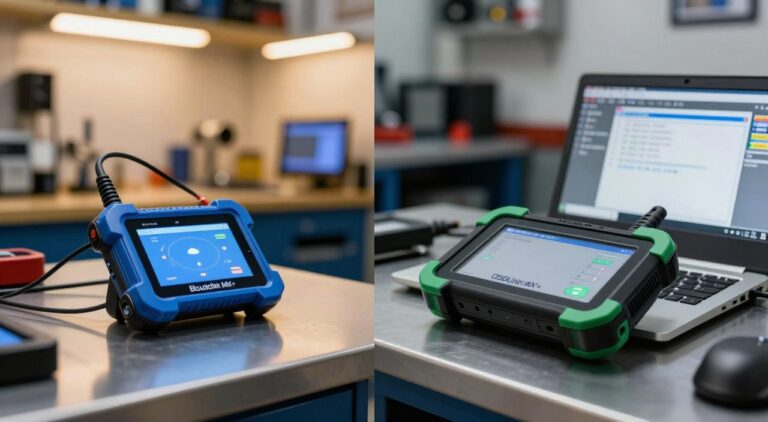
Using an OBD-II scanner can show error codes. The P0420 code means the catalyst system in Bank 1 is not working. The P0430 code is for Bank 2.
These codes mean your converter is not cleaning exhaust gases well. It’s a sign that the converter’s inside is damaged or blocked. Spotting these signs early can prevent costly engine repairs.
Why You Should Never Ignore Dashboard Warnings
Some people clear the check engine light to pass a test. But this doesn’t fix the problem. The light will turn back on, and your car might not run well.
Ignoring these warnings can hurt your engine. It’s important to fix the issue to keep your car running right. Always take a persistent check engine light seriously.
Unusual Exhaust Smells and Toxic Fumes
When you smell something odd from your car, it might mean big trouble. Catalytic converter issues can cause strange smells. These smells are warning signs that need a pro to fix.
Identifying the Rotten Egg Odor
A smell like rotten eggs is a big clue. It happens when the converter can’t handle hydrogen sulfide. This lets bad stuff out into the air.
Seeing this smell means your converter is broken. Not fixing it can hurt your engine and exhaust. It’s important to get it checked before it gets worse.
Health Risks Associated with Exhaust Leaks
A bad exhaust system is not just a stinky problem. It can also be very dangerous. Carbon monoxide is odorless and colorless, so you can’t smell it. But it’s very harmful.
«Keeping your exhaust system in good shape is not just for passing tests. It’s to keep everyone safe from toxic gases.»
Automotive Safety Expert
Check your exhaust pipes for rust or damage. If you think there’s a leak, get a mechanic to test it. Here’s a table to help you figure out what smells mean.
| Odor Type | Potential Cause | Urgency Level |
|---|---|---|
| Rotten Eggs | Catalytic Converter Failure | High |
| Sweet/Syrupy | Coolant Leak | Critical |
| Burnt Rubber | Belt or Hose Issue | Medium |
| Raw Gasoline | Fuel System Leak | Critical |
Increased Fuel Consumption and Efficiency Drops
One of the most frustrating failing catalytic converter symptoms is a sudden drop in fuel economy. Your engine might pay more at the gas pump. Even small changes in driving can hint at a problem.
How Backpressure Affects Fuel Economy
A good exhaust system lets gases out smoothly. But, a clogged or damaged converter causes excessive backpressure. This makes your engine work harder.
It uses more fuel to keep up your speed. Your car might feel slow or hard to push. This increased workload means lower miles per gallon and higher costs.
Monitoring Your Miles Per Gallon
Watch your fuel use closely to catch problems early. Reset your trip odometer each time you fill up. Then, divide miles by gallons to find your average.
If your mileage keeps going down, it’s time to look into it. A simple logbook or app can help spot trends. Being proactive can save you from expensive repairs.
Rattling Noises from Under the Vehicle
Ever heard a rattling sound from under your car? It’s a big warning sign. This sound is often a sign that your catalytic converter is failing. If you hear a clatter, it’s time to check it out.
Damaged Honeycomb Structures Inside the Converter
Your exhaust system has a special part called a honeycomb structure. It’s made of ceramic and coated with metals. Heat or damage can break it into pieces.
These pieces move around inside the metal. They make a rattling sound, louder when you accelerate or idle.
«A rattling exhaust is rarely a sound you should ignore, as it often signals that the internal components are no longer intact and may be restricting exhaust flow.»
Distinguishing Between Heat Shield and Internal Damage
Not all rattles mean big trouble. Sometimes, it’s just a loose heat shield. This is a thin metal plate that keeps your car cool.
You can tell if it’s the shield or something bigger by doing a simple check:
- Check the heat shield: Tap the metal shields with your hand when the car is cool. If it vibrates, it’s loose and needs fixing.
- Listen for internal debris: If the shields are tight but you still hear rattling, the inside is broken.
- Consult a professional: If you can’t find the problem, a mechanic can help.
Telling the difference can save you money. A loose shield is easy to fix. But a broken inside needs a new part to work right.
Failed Emissions Tests and Environmental Impact
If you’re wondering how to tell if catalytic converter is bad, a failed emissions test is a clear sign. You might notice your car doesn’t run as well or makes odd sounds. But, it’s the test that really shows if your converter is bad.
State inspections check if cars meet air quality standards. They make sure every vehicle on the road is clean.
Why Your Vehicle Fails State Inspections
Most cars have a system to check the exhaust. If the converter isn’t working right, the computer lights up the check engine light. It also stores error codes.
At a state inspection, techs check these codes. If your converter is bad, the car won’t pass. Even if it seems to run okay, you’ll still fail the test.
Knowing how to tell if catalytic converter is bad early can save you trouble. It keeps you from having to retake the test and saves money.
The Importance of Reducing Harmful Emissions
Keeping your converter working is key for environmental responsibility. A bad converter lets harmful gases like carbon monoxide and nitrogen oxides out. These gases make smog and hurt our air quality.
By keeping your exhaust system in good shape, you help everyone. Driving with a bad converter harms the air we all breathe. It’s a simple way to help our environment.
Dark Exhaust Smoke and Combustion Problems
Your exhaust smoke shows how well your engine is working. I check my car’s tailpipe for changes. This helps me find problems early. Knowing how to tell if catalytic converter is bad starts with looking at the smoke.
Analyzing Smoke Color and Density
The color of your exhaust smoke tells a story. Blue smoke means your engine is burning oil. Thick black smoke means it’s getting too much fuel.
White smoke, which smells sweet, usually means coolant is leaking. Any smoke that doesn’t go away means your engine isn’t burning fuel right. This makes your catalytic converter work too hard.
The Link Between Oil Consumption and Converter Failure
Too much oil in your engine can hurt your exhaust system fast. Oil that gets burned creates a sticky mess in the exhaust pipe. This mess coats the inside of the converter.
When this happens, the converter gets poisoned and can’t work right. If your car is burning a lot of oil, it might be a sign of trouble. Ignoring these signs can lead to expensive repairs and failed tests.
Heat Buildup and Under-Car Temperatures
Extreme heat under your car is a big problem. When the catalytic converter gets clogged, it gets too hot. This heat can damage other parts of your car.
Signs of Overheating Exhaust Components
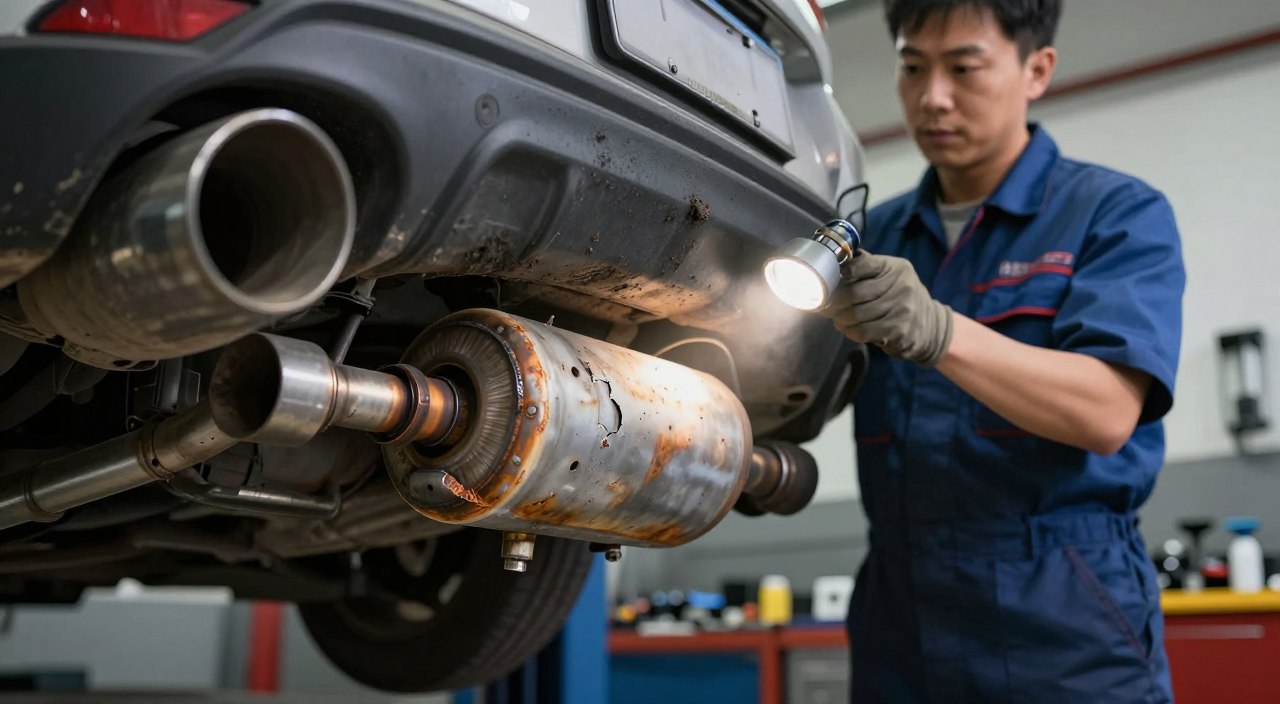
Look for signs of heat damage in your exhaust system. You might see discolored metal or a blue or purple color on the converter. Plastic and rubber parts near the exhaust might melt or warp.
Feeling a lot of heat from under your car is a warning sign. This means your catalytic converter is not working right. Ignoring these signs can hurt your car’s undercarriage a lot.
Preventing Potential Fire Hazards
When your exhaust gets too hot, safety comes first. If you smell burning or feel a lot of heat, stop driving right away. Pull over to a safe place.
Let the exhaust cool down before checking it. A certified technician should look at it to avoid more problems. Here’s a table to show when it’s too hot:
| Condition | Surface Temperature | Visual Indicators | Safety Risk |
|---|---|---|---|
| Normal Operation | Moderate | Standard metal finish | Low |
| Early Failure | High | Slight discoloration | Moderate |
| Critical Overheating | Extreme | Melted plastic/glowing metal | High (Fire Hazard) |
Professional Diagnosis Versus DIY Inspection
Dealing with catalytic converter problems needs you to know when to fix it yourself and when to call a pro. Basic car care is good, but knowing your limits is key for safety and reliability.
When to Visit a Certified Mechanic
Go to a mechanic if your car’s lights keep flashing or you can’t figure out the problem. Mechanics have special tools to find catalytic converter problems that simple scanners miss.
Severe signs like a burning smell, losing power, or seeing smoke mean you should not try to fix it yourself. These signs point to serious issues that could harm your engine. A pro can find the real problem, not just cover up the symptoms.
«Regular maintenance is the best defense against costly repairs, but knowing when to step back and let a professional handle the heavy lifting is the hallmark of a smart car owner.»
Tools Needed for Basic Exhaust System Checks
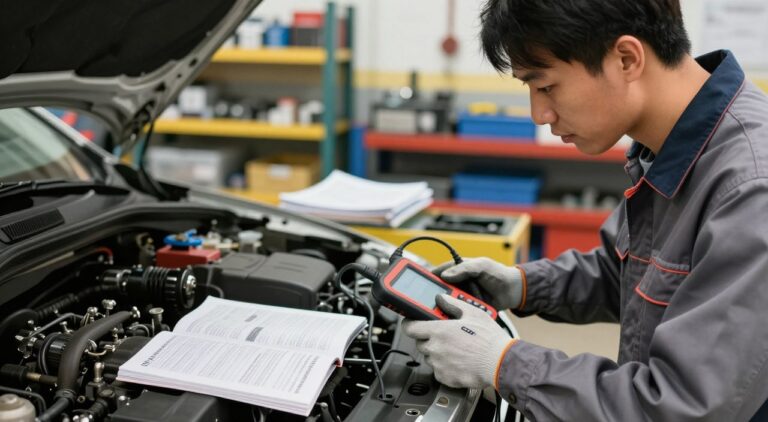
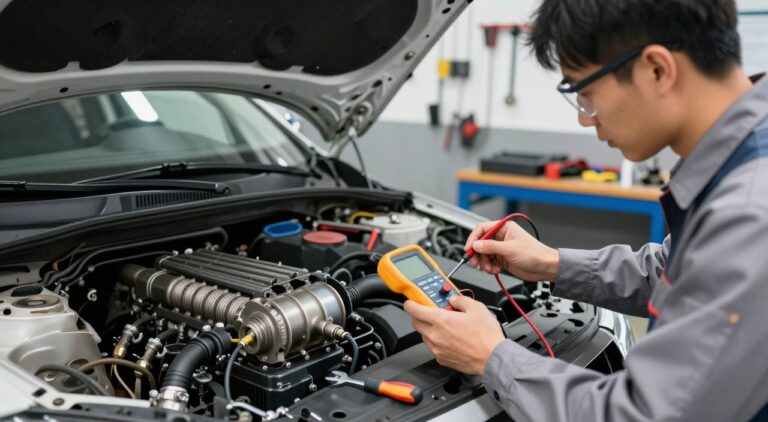
If you like to do things yourself, you can start with a few tools. An OBD-II scanner is key for checking error codes. A good flashlight helps see if the exhaust pipes are damaged or rusty.
Always use jack stands for safety if you need to lift your car. Never use a hydraulic jack alone. Here’s a simple guide on what you can do yourself and what needs a pro.
| Task | DIY Capability | Professional Requirement |
|---|---|---|
| Reading Error Codes | High | Low |
| Visual Inspection | High | Low |
| Internal Component Repair | None | High |
| Exhaust System Replacement | Low | High |
With these tools, you can get enough info to talk to your mechanic. This can save you time and help you understand your catalytic converter problems before you go to the shop.
Conclusion
Your car needs many parts to work well. Finding bad catalytic converter signs early helps avoid big engine problems.
Watch how your car acts on the road. Small changes or weird smells mean it’s time to see a mechanic.
Looking after your car saves money and keeps it green. Catching small problems early stops big ones from happening.
Get your car checked often by a good mechanic. This keeps your car running well and makes you feel safe.
Start taking care of your car today. Regular checks keep it running smoothly and safely for a long time.
FAQ
What are the primary symptoms of a bad catalytic converter that I should look out for?
Look out for a drop in engine performance. Also, watch for a «rotten egg» smell from the exhaust. And, the check engine light might light up.If I ignore these signs, I risk expensive repairs. This could harm my Ford or Toyota engine.
Why is it important for me to understand how my catalytic converter works?
Knowing how it works is key. It turns carbon monoxide into less harmful gases. This helps the engine run better and keeps the air clean.Understanding its role helps me spot problems early. This way, I can avoid big breakdowns.
How can I quickly recognize common bad catalytic converter signs?
Look for performance issues like slow acceleration. Also, watch for strange smells or sounds. And, check your dashboard for electronic alerts.This method helps me spot bad converter signs fast.
Why does a failing catalytic converter cause my engine to lose power?
A clogged converter makes it hard for the engine to «breathe». This leads to slow acceleration and engine misfires.These misfires can damage spark plugs or ignition coils. This is a clear sign of converter failure.
What should I do if my dashboard shows P0420 or P0430 diagnostic codes?
Seeing these codes means your converter isn’t working right. Don’t just reset the light. It’s a sign of a serious problem.Get it checked by a pro right away.
Why does my car produce a sulfur-like smell when the exhaust system is failing?
A bad converter can’t handle hydrogen sulfide. This leads to a rotten egg smell. It’s a bad sign.This smell means toxic fumes might be getting into your car.
Can a damaged exhaust system lead to increased fuel consumption?
Yes, a blocked exhaust makes the engine work harder. This uses more fuel. I check my fuel economy with an app.A steady drop in miles per gallon can mean a failing converter.
How do I tell if a rattling noise is coming from inside my catalytic converter?
A rattling sound when idling might mean the converter is failing. Compare it to a loose heat shield.Internal damage is a serious problem.
Will my vehicle fail a state emissions test if the converter is bad?
Yes, a bad converter will fail a state inspection. It can’t clean pollutants, so emissions are too high.This is bad for the environment and your vehicle.
What does dark exhaust smoke tell me about my catalytic converter’s health?
Dark smoke means the converter is failing. It’s coated with fuel or oil. This makes it useless.It’s a sign of combustion problems.
Is it dangerous for my catalytic converter to overheat?
Overheating is very dangerous. It can cause a fire. Look for discolored metal or burning smells.If you see these, stop driving right away.
How do I know if I should perform a DIY inspection or see a mechanic?
Start with a basic check using a scan tool and flashlight. But, if unsure, see a certified mechanic.They can do a pressure test and give a clear diagnosis.
What is the most effective way to prevent catastrophic engine failure related to the exhaust?
Stay vigilant and do regular maintenance. Catching converter problems early saves money and keeps your car safe.This way, your vehicle stays efficient for years.