What does the battery light mean on your car dashboard
Driving on a busy highway and seeing a warning light is scary. It makes you worry your car might break down. Understanding these alerts is vital to keep your car running well and avoid being stuck.
Many drivers ignore the battery light on dashboard. But I think you should pay attention. This light often means there’s a bigger problem with your car’s electrical system.
By learning to spot these issues early, you can avoid costly repairs or getting stuck on the side of the road. In this guide, I’ll show you how to check your car’s health. You’ll learn to spot problems and keep your car’s electrical system working right.
Understanding the Battery Light Indicator
The battery light indicator is key to knowing your car’s health. It’s not just about the battery. It warns about the whole charging system.
Many think the car battery light meaning is just about the battery. But it’s about the whole system. The battery starts the car, but the system keeps it running while driving.

Seeing the battery light symbol means the system’s voltage is off. This light warns you before your car loses power.
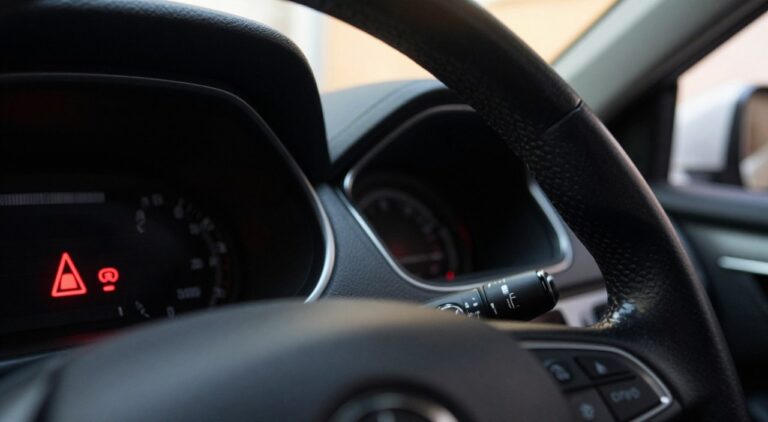
It’s important to know this light from others. The battery light symbol is a small rectangle with plus and minus signs. Always check which light is on, as others mean different problems.
What does the battery light mean for your vehicle health
Knowing what the meaning of battery light means can save you from trouble. This light doesn’t just mean the battery is bad. It often means the alternator is not charging the battery when the engine is on.
Your car is running on the battery’s last bit of power. When that power is gone, your car’s important systems like fuel and ignition won’t work. So, you must act fast.

Many people wonder, «What does the battery light mean for my daily drive?» Your car is in trouble. If you ignore this light, your car’s electrical parts could stop working without warning.
The table below shows how not having enough charge affects your car:
| System Affected | Immediate Risk | Long-term Consequence |
|---|---|---|
| Fuel Injection | Engine sputtering | Total engine stall |
| Ignition System | Weak spark | Failure to restart |
| Dashboard Electronics | Dimming lights | Complete system blackout |
| Power Steering | Increased resistance | Loss of steering control |
Understanding the meaning of battery light helps you act before your car stops. Remember, this light is a big warning sign for your car’s health. If you see it, pull over to a safe place to avoid more damage.
What does the battery light warning
When the battery light warning shows up, it means your car’s battery is in trouble. It’s like your car is sending you a message. It says the power flow is not stable anymore.
Ignoring this warning can cause your car to lose power while you’re driving.

Faulty alternator issues
The alternator keeps your battery charged when the engine is on. If it breaks down, it can’t give your car the power it needs. This makes the car battery light turn on right away.
You might see your headlights get dimmer or your car’s inside lights act weird. This is before the light stays on forever.
Corroded or loose battery terminals
It’s not always the battery that’s the problem. Sometimes, it’s the connections. If the terminals are corroded or loose, it stops the system from working right.
It’s a good idea to check these connections often. Make sure they’re tight and clean.
Damaged or worn serpentine belt
The serpentine belt is important because it turns the alternator pulley. If it gets damaged or worn out, it might slip or break. This stops the alternator from working.
Then, the battery light warning comes on. This is because your car can’t charge anymore. It has to run on the battery’s last bit of power.
| Component | Common Symptom | Impact on System |
|---|---|---|
| Alternator | Dimming lights | Voltage drop |
| Terminals | Starting difficulty | High resistance |
| Serpentine Belt | Squealing noise | Charging failure |
Initial steps to take when the light illuminates
When the battery light on dashboard shows up, it can feel scary. But, it’s important to stay calm. This helps you get to a safe place without hurting your car.
If you see the battery light on dashboard, don’t worry. First, check where you are. Then, wait for a safe time to pull over.
Pulling over safely
My first tip is to signal early and pull over. Avoiding a mid-road stall keeps everyone safe.
- Turn on your hazard lights to alert other motorists.
- Find a flat, well-lit spot away from traffic.
- Once stopped, shift into park and use the emergency brake.

Checking for immediate engine signs
After pulling over safely, listen for strange sounds from the hood. If the battery light flashing shows up, it means you need help fast.
Watch how your car steers and runs. If it’s hard to steer or makes a loud squeal, it might be the belt. This belt keeps the battery charged.
| Symptom | Potential Issue | Action Required |
|---|---|---|
| Squealing noise | Loose/worn belt | Inspect belt tension |
| Heavy steering | Broken belt | Do not drive vehicle |
| Dimming lights | Low voltage | Check battery health |
| Burning smell | Electrical short | Seek professional help |
If you see these signs, don’t start the engine. Prioritizing your safety means knowing when to call a mechanic, not try to fix it yourself.
How to perform a visual inspection of your battery
Many electrical problems start with a dirty or loose battery connection. Before you worry about your car’s charging system, check the battery yourself. This simple, hands-on approach can help you find the problem.
Identifying signs of corrosion
When I open the hood, I look for a powdery buildup around the battery terminals. This white or blue stuff means battery acid has reacted with metal. Corrosion acts as an insulator, stopping electricity from flowing.
If you see this buildup, clean it before it spreads. A clean connection is key for a healthy electrical system. Use a wire brush and baking soda and water to clean it.
Checking for loose cable connections
After looking for corrosion, I check if the battery cables are tight. I gently wiggle each clamp to see if it moves. A loose connection can cause power loss and a dashboard warning light.
If the clamp moves, it’s not making a solid electrical connection. Tighten the nut on the clamp with a wrench until it’s secure. Clean and tight cables help your battery work better.
| Visual Symptom | Potential Impact | Recommended Action |
|---|---|---|
| White/Blue Powder | Restricted current flow | Clean with wire brush |
| Loose Cable Clamp | Intermittent power loss | Tighten with a wrench |
| Swollen Battery Case | Internal cell damage | Replace the battery |
| Frayed Cable Insulation | Short circuit risk | Repair or replace cable |
Testing your battery voltage with a multimeter
Testing battery voltage with a multimeter is very accurate. Visual checks are good, but they don’t show the battery’s inner workings. This tool lets me see the battery’s power level.
Setting up the multimeter correctly
First, set your multimeter to the DC voltage setting. It has a «V» and a straight line. Touch the red probe to the battery’s positive terminal and the black probe to the negative.
It’s very important to keep the probes steady. This ensures a reliable reading on the screen.
Make sure your engine is off before starting. If the probes are wrong, the meter might show a minus sign. But the number will still be the same. Always check that your probes are in the right ports.
Interpreting voltage readings for a healthy battery
Look for a reading of about 12.6 volts when the engine is off. This means the battery is fully charged and working well. If it shows 12.2 volts or less, the battery is losing its charge.
If it drops below 12 volts, the battery needs to be replaced. Understanding these numbers helps you know when to replace parts. Keeping an eye on these readings helps you keep your car’s electrical system healthy.
Evaluating the alternator performance
Your alternator is key to your car’s electrical system when the engine is on. It keeps your battery charged and powers all your car’s electronics. If it fails, your car will lose power, even with a new battery.
Testing output while the engine is running
Use a digital multimeter to check if your charging system is working right. With the engine idling, connect the multimeter to the battery terminals. You should see a voltage between 13.5 and 14.5 volts if everything is okay.
If the voltage is less than 13 volts, the alternator isn’t giving enough power. A voltage over 15 volts means the voltage regulator is broken. Both problems need a pro to fix them fast to avoid more damage.
Recognizing symptoms of a failing alternator
Look for signs that the alternator is not working well. Dimming headlights that get brighter when you rev the engine are a big clue. You might also see flickering interior lights or weird dashboard gauges.
These signs mean the alternator can’t keep the electricity flowing. If you ignore them, your car could break down while you’re driving. Here’s a table with common symptoms and what they mean for your car’s electrical system.
| Symptom | Potential Cause | Urgency Level |
|---|---|---|
| Dimming Headlights | Low voltage output | High |
| Flickering Interior Lights | Unstable voltage regulator | Medium |
| Whining Noise | Worn alternator bearings | High |
| Burning Rubber Smell | Seized alternator pulley | Critical |
Inspecting the serpentine belt for wear
The serpentine belt is very important. It keeps your alternator and battery working. If it breaks, your car’s battery light will turn on.
Locating the belt in your engine bay
To start, find the belt in your engine bay. It’s usually on the front or side of the engine. Look for it as it goes around pulleys.
Use a flashlight to see better. Make sure the engine is cool before touching anything. Safety is always the top priority when working near moving parts.
Identifying cracks or fraying
Now, look at the belt’s ribbed side. You’re looking for excessive wear. Signs include:
- Small cracks running across the ribs.
- Fraying edges or loose threads along the sides.
- Missing chunks of rubber or deep gouges.
- A shiny or glazed appearance on the underside.
If you see these signs, it’s time to replace the belt. A bad belt can cause charging problems. Here’s how different wear affects your car.
| Wear Type | Visual Indicator | System Impact |
|---|---|---|
| Surface Cracking | Small lines across ribs | Reduced grip and efficiency |
| Edge Fraying | Loose threads on sides | Risk of sudden belt snapping |
| Glazing | Shiny, smooth surface | Slippage and squealing noises |
| Missing Ribs | Gaps in the belt profile | Total charging system failure |
Troubleshooting electrical system shorts
Sometimes, the problem with your dashboard light is hidden. It’s deep in the car’s electrical system. When your battery and alternator seem fine, you need to dig deeper. Look for damaged wiring or parts that mess up the charging circuit.
Checking for blown fuses
Start by checking the fuse box for blown fuses. A compromised fuse stops the alternator from talking to the car’s computer. This makes the warning light turn on. Look in your owner’s manual for the fuse diagram for your car.
If a fuse looks dark or has a broken metal strip, it’s blown. Replacing it with a new fuse of the same amperage might fix it. But if the new fuse blows too, you have a short circuit that needs a pro to fix.
Identifying parasitic battery drains
A parasitic drain happens when something keeps pulling power from the battery after you turn off the car. This weakens the battery and confuses the charging system sensors. It makes battery light troubleshooting hard. Things like interior lights, aftermarket alarms, or bad relays can cause this.
To find these drains, use a multimeter to check current flow when the car is off. If you see a big amperage reading, pull fuses one by one. This helps you find the circuit that’s causing the problem. It keeps your car’s electrical system working right.
When to seek professional mechanic assistance
While you can do some checks on your car, some problems need a pro. Cars today have complex systems that are hard to fix without special tools. If your battery light warning keeps coming on, it’s time to see a mechanic.
Recognizing complex electrical failures
Some electrical issues seem to change on their own. You might see lights flicker or sensors act weird. These signs often mean there’s a hidden problem with the wiring.
Trying to fix these problems yourself can make things worse. A pro uses special tools to find the battery light warning source. This saves you time and money by avoiding unnecessary repairs.
Safety precautions for DIY repairs
When doing small repairs, safety comes first. Wear safety glasses and gloves to protect yourself from sparks or acid. Always disconnect the negative battery terminal before working on high-voltage parts.
Don’t try to open or fix the alternator yourself. It has strong springs and electrical parts that can hurt you. If you’re unsure, stop and get help. Knowing your limits is key to safe car care.
| Task Type | Difficulty Level | Professional Required |
|---|---|---|
| Terminal Cleaning | Low | No |
| Voltage Testing | Medium | No |
| Module Diagnostics | High | Yes |
| Internal Alternator Repair | High | Yes |
Preventative maintenance to avoid future warnings
I keep my car in top shape to avoid a car battery light surprise. Regular care helps my battery and alternator last longer. It’s cheaper than fixing a car on the side of the road.
Regular battery cleaning routines
Keeping the battery terminals clean is easy. A white or blue powder, called corrosion, can block connections. I mix baking soda and water to clean it off.
Then, I scrub the terminals with a wire brush. This keeps them working well. Doing this every few months helps my car start right.
Scheduling professional charging system checks
I also get my car checked by experts. They test the charging system during oil changes or annual visits. This checks the health of my alternator and battery.
Experts can spot problems early. This keeps my car running smoothly. Here’s a table for keeping your car’s electrical system in check.
| Maintenance Task | Frequency | Primary Benefit |
|---|---|---|
| Terminal Cleaning | Every 6 Months | Prevents corrosion buildup |
| Voltage Testing | Every 12 Months | Ensures car battery light stays off |
| Belt Inspection | Every 15,000 Miles | Prevents charging failure |
| Professional Scan | Annual Visit | Detects hidden electrical faults |
Conclusion
Seeing a glowing battery light on your dashboard is serious. It means your car’s electrical system could be in danger. This warning tells us our car needs help right away to keep it running well.
You know now the difference between small problems and big ones. Fixing small issues early can save you from big costs. It also keeps your car reliable for long trips.
It’s smart to have a multimeter in your car for quick checks. Checking your battery and serpentine belt often helps your engine last longer.
Your safety is most important when dealing with electrical issues. If you’re not sure about what you find, call a certified mechanic. Brands like AutoZone or local shops can help. Knowing what to do keeps your car running smoothly for a long time.
FAQ
What does the battery light mean when it stays on while I am driving?
The battery light means your car’s charging system is not working right. It doesn’t just mean the battery is dead. It means your car is using the battery’s stored energy.Without the alternator, your car will lose power. This includes ignition and fuel injection.
What is the significance of the battery light symbol on my dashboard?
The battery light symbol is a red rectangle with plus and minus signs. It tells you if there’s a simple battery problem or a bigger issue. It’s a way for your car to talk to you.It warns you when the voltage gets too low.
Is a battery light flashing more serious than a solid light?
A flashing battery light is very serious. It means there’s an electrical problem or a belt issue. If it flashes, pull over to avoid losing power steering or stalling in traffic.
What are the first steps I should take for battery light troubleshooting?
First, check the battery terminals for corrosion. Make sure the cable clamps are tight. If everything looks good, test the electrical output.This will tell you if there’s a faulty part or a wiring problem.
How can I tell if my alternator is the cause of the battery light warning?
Use a Fluke multimeter to test the voltage while the engine is running. A good alternator should show 13.5 to 14.5 volts. If it’s below 12.6 volts, the alternator is not working.
Can a damaged serpentine belt trigger the battery light on dashboard?
Yes, a worn or cracked serpentine belt can trigger the battery light. The belt drives the alternator. If it slips or breaks, the alternator can’t spin and make electricity.Check the belt for fraying or missing chunks if you hear squealing and see the light.
What does the battery light mean for my vehicle’s long-term health?
Ignoring the battery light can cause expensive problems. It can damage other parts and make your car break down. Clean the terminals and get regular checks to keep your car reliable.
When should I stop DIY repairs and seek a professional mechanic?
Do basic checks yourself, but get a pro if you think it’s a complex problem. If simple checks don’t work, a certified technician can find the issue with special tools.