What is the Electronic Throttle Control Light Explained
Drivers often feel scared when a strange light shows up on their dashboard. You might wonder, what is the electronic throttle control light? It’s a key warning from your car’s computer.
Today’s cars use a smart system to control engine power. Instead of a cable, your pedal sends digital signals. This helps your car run well and save fuel.
Ignoring this warning can lead to reduced power or even engine stalling. It’s important to check these alerts right away. This keeps you safe while driving.
Key Takeaways
- This system replaces traditional mechanical cables with digital sensors.
- It manages engine power delivery for better fuel efficiency.
- Seeing this symbol indicates a potential fault in your powertrain.
- Prompt inspection prevents dangerous performance drops during travel.
- Modern vehicles use these alerts to protect critical engine parts.
Understanding the Electronic Throttle Control System
The electronic throttle control system has changed how I use my car. Before, a steel cable connected the gas pedal to the engine. Now, it’s all about sensors and computers.
This new setup makes my car more efficient and powerful. It knows how to use fuel better because of me.

How the Drive-by-Wire System Functions
When I press the gas pedal, I send an electronic signal to the engine. This is called a drive-by-wire system.
The engine control unit (ECU) gets my signal and decides how much air the engine needs. It tells an electric motor to move the throttle plate. This makes sure the engine gets just the right amount of air.
The Role of the Throttle Position Sensor
The throttle position sensor watches the throttle plate. It tells the ECU how it’s doing. This keeps the engine running smoothly.
If the sensor sees a problem, it lights up a warning light. This helps the car control how fast it goes and how hard it works. It’s cool to think about all this tech working for me.
Identifying the ETC Light Symbol on Your Dashboard
Seeing a mysterious symbol on my dashboard makes me nervous. But, I’ve learned to quickly identify it. This is key to fixing the problem safely and effectively.
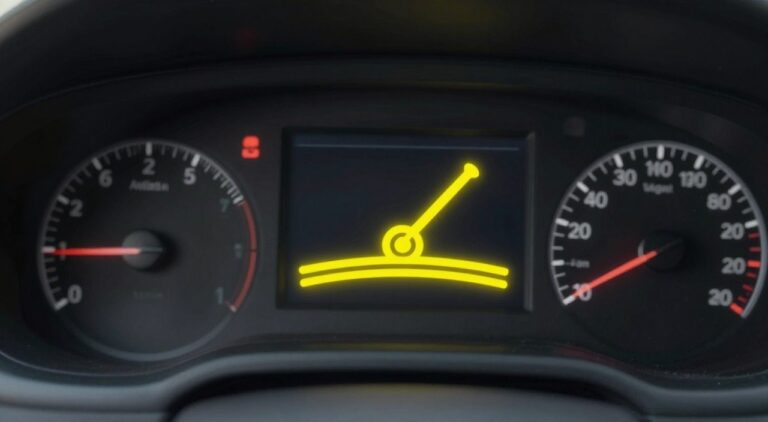
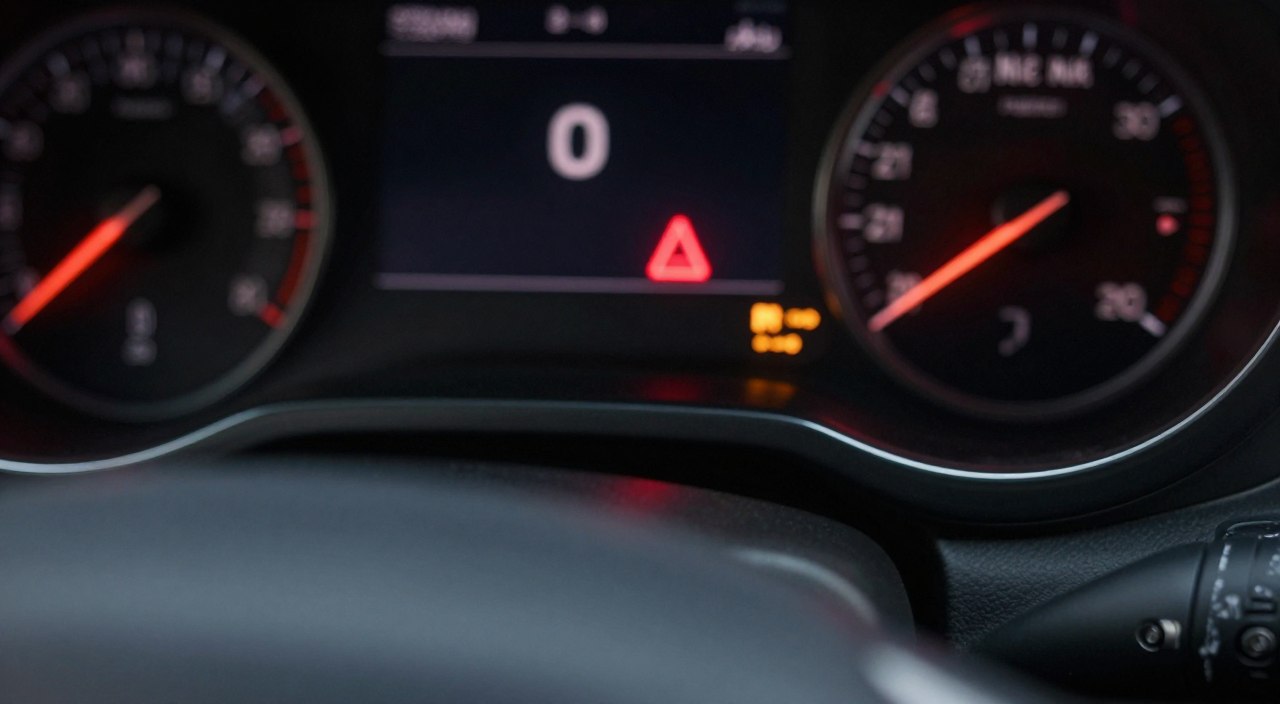
When I see the etc light on dashboard, I know my car is telling me something. It’s about the throttle system. Spotting this symbol early helps me stay calm and plan what to do next.
Visual Characteristics of the Warning Light
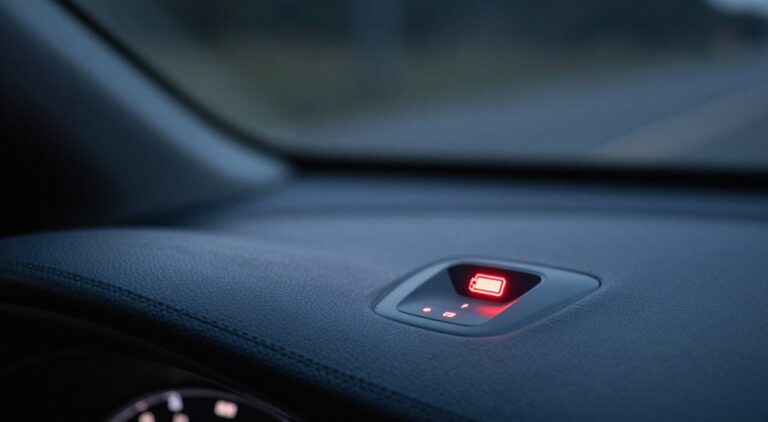
The etc light symbol is easy to spot once you know what it looks like. It’s a lightning bolt icon, surrounded by two backward-facing parentheses.

This light is usually yellow or red. It shows how serious the problem is. I always watch for this shape. It means the electronic throttle control system needs my attention.
Distinguishing ETC from Check Engine Lights
It’s easy to mix up the etc light meaning with the check engine light. But, they mean different things. The check engine light points to many issues. The etc light meaning is only about the throttle system.
«Knowledge is the best tool in any mechanic’s kit, when dealing with dashboard warnings.»
The check engine light is for many problems. But, the etc light on dashboard is just for the throttle. Knowing this helps me fix the problem faster. It makes sure I check the right parts.
Common Reasons Why the ETC Light Stays On
If the etc light stays on, it means there’s a problem. My car’s engine and pedal aren’t talking right. This is a warning that something is wrong with the electronic throttle control system.
Finding out what’s wrong is key to fixing my car.

Faulty Throttle Body Assemblies
The throttle body controls air to the engine. If it’s clogged or broken, it can’t work right. This makes the electronic throttle control warning light turn on.
Accelerator Pedal Position Sensor Failures
The pedal position sensor helps my car know when to speed up. If it doesn’t work right, the car goes into safe mode. This is why the light might stay on when I’m driving.
Wiring Harness and Electrical Connection Issues
At times, the issue is with the wires. Bad wiring or corroded connections can mess up signals. I need to check the wires to keep the system working right.
| Component | Primary Symptom | Impact on ETC |
|---|---|---|
| Throttle Body | Rough idling | Airflow restriction |
| Pedal Sensor | Unresponsive pedal | Signal disruption |
| Wiring Harness | Intermittent light | Communication failure |
What to Do When the ETC Light Starts Flashing
When I see the etc light flashing, I know my car has a big problem. This light means something serious is wrong with the throttle system. I need to act fast to keep my car safe.

Immediate Safety Precautions While Driving
If the etc light flashing happens while I’m driving, I stay calm. I look for a safe spot to pull over. This could be a wide shoulder or a parking lot.
Once I’m stopped, I turn off the engine. This resets the car’s systems and keeps it from getting worse.
I never ignore the warning or keep driving fast. Driving with a throttle fault can cause big problems. Stopping helps keep my car safe.
Understanding Limp Mode and Reduced Power
When the computer finds a big fault, it goes into Limp Mode. This mode makes the car go slow to protect the engine. My car feels slow, and the gas pedal doesn’t work well.
The car limits the gas pedal to keep me moving slowly. This helps me get to a safe place or a repair shop. It’s a safety feature, not a sign the engine has failed.
| Feature | Normal Operation | Limp Mode |
|---|---|---|
| Throttle Response | Immediate and sharp | Delayed or unresponsive |
| Engine Power | Full available output | Severely restricted |
| Dashboard Status | No warning lights | ETC light flashing |
| Driving Capability | Standard highway speeds | Low speed/Emergency only |
Step-by-Step Guide to Troubleshooting the ETC Light
When I see a warning on my dashboard, I don’t always need fancy tools or know-how. By being careful and methodical, I can often find simple problems. This saves me time and helps me know what’s wrong with my car before I get it fixed.
Performing a Visual Inspection of the Engine Bay
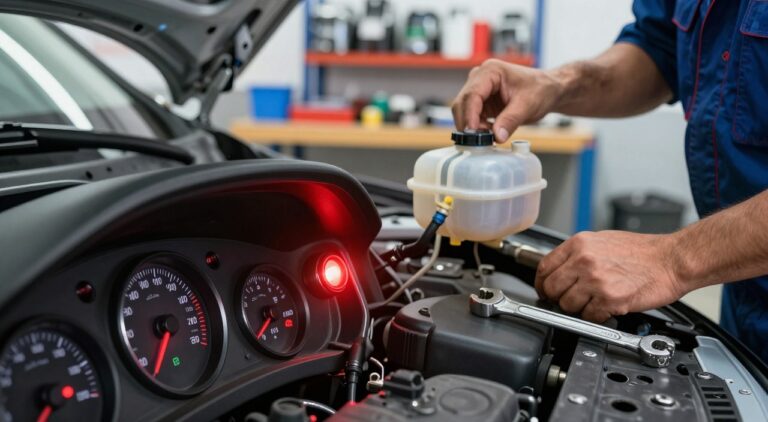
I start by opening the hood and looking closely at the engine parts. I search for any signs of wear or damage that might affect the throttle body. Careful observation is very important here.
I pay special attention to these areas:
- Frayed or damaged wiring: I check the wiring to the throttle body for heat damage or rodent bites.
- Disconnected sensors: I make sure all electrical plugs are securely in place.
- Vacuum leaks: I listen for hissing sounds or look for broken rubber hoses near the intake manifold.
Checking for Loose Battery Terminals and Voltage Drops
Many drivers forget about the electrical system, but unstable voltage can cause false warnings. If my battery terminals are loose or corroded, the computer might get mixed signals. I always check that my power connections are clean and tight.
To make sure my electrical system works right, I do these things:
- Look for white or blue corrosion buildup on the battery posts.
- Use a wrench to make sure both cables are securely attached.
- Check for any signs of melting or burning on the battery cables.
If I see a big voltage drop while the engine is running, it might mean a bad alternator or weak battery. Fixing these power problems first can often fix the warning without more work. By keeping my electrical system strong, I help my car’s sensors work best.
Using an OBD-II Scanner to Read Error Codes
I find that the quickest way to diagnose a throttle problem is by plugging in an OBD-II scanner. This digital approach lets me pinpoint the exact source of the failure. It is a vital step when troubleshooting etc light issues on modern vehicles.
Selecting the Right Diagnostic Tool for Your Vehicle
When shopping for a scanner, I always look for one that supports the CAN bus protocol. This is standard for all vehicles sold in the United States since 2008. You do not need a professional-grade shop tool to get started. A simple, handheld code reader is often enough to pull the basic diagnostic trouble codes (DTCs) from your car’s computer.
If you want more detailed data, consider a Bluetooth-enabled scanner that connects to a smartphone app. These tools often provide real-time sensor readings. They are incredibly helpful for troubleshooting etc light symptoms that only appear while driving. Always ensure the device is compatible with your specific vehicle make and model before purchasing.
Interpreting Common Throttle-Related Diagnostic Trouble Codes
Once the scanner is connected, it will display a series of alphanumeric codes. These codes act as a roadmap to the problem. For instance, codes starting with «P0» usually indicate a powertrain issue, while the following numbers narrow down the specific component. I have found that codes like P0120 or P0220 are classic indicators of a malfunctioning throttle position sensor.
Understanding these codes prevents unnecessary part replacements. By identifying the specific circuit or sensor failure, you can focus your repair efforts exactly where they are needed. The following table outlines some of the most frequent codes I encounter during my diagnostic process.
| Diagnostic Code | Primary Component | Common Meaning |
|---|---|---|
| P0120 | Throttle Position Sensor A | Circuit malfunction detected |
| P0220 | Throttle Position Sensor B | Sensor range or performance error |
| P0507 | Idle Control System | RPM higher than expected |
| P2135 | TPS Correlation | Voltage mismatch between sensors |
Using these codes is the most reliable method for troubleshooting etc light warnings. If you see these codes, you can confidently move forward with your repairs. Always remember to clear the codes after the fix to see if the system returns to normal operation.
Cleaning the Throttle Body to Resolve Performance Issues
When I see the etc light stays on, I think it’s because of carbon buildup. Cleaning the throttle body helps my engine breathe better. It also makes the warning lights go away.
Tools Required for Throttle Body Maintenance
Before I start cleaning, I make sure I have the right tools. The right tools help avoid breaking the throttle assembly.
- Specialized throttle body cleaner (make sure it’s safe for sensors).
- Lint-free microfiber cloths.
- Screwdrivers or socket wrenches for removing housing.
- Protective gloves and safety glasses.
- A soft-bristled brush for tough carbon spots.
Safe Cleaning Procedures for Electronic Components
I’m very careful when cleaning around electronic sensors. I never spray cleaner on the electrical connectors. This could damage the circuitry.
I put cleaner on a microfiber cloth and wipe the butterfly valve. If the etc light stays on after cleaning, I check if the throttle plate moves well. Patience is key to avoid getting debris stuck in the intake manifold.
After cleaning, I let everything dry before putting it back together. This careful cleaning keeps my car running well and my dashboard light-free.
Resetting the Electronic Throttle Control System
After fixing mechanical parts or cleaning, resetting the electronic throttle control system is key. This makes sure the engine computer (ECU) knows about the changes. Without this, your car might idle weirdly or not respond well to the throttle.
Manual Relearn Procedures for Common Vehicle Makes
Many cars today let you do a manual idle relearn without special software. The steps differ by car maker, but they usually involve certain key presses and pedal actions. Being consistent is important to help the computer update its info right.
«The idle relearn procedure is the bridge between physical maintenance and digital synchronization, allowing the engine to recalibrate its air-fuel mixture effectively.»
Here are some common steps:
- Turn the ignition to the «ON» position without starting the engine.
- Wait for 30 seconds to let the electronic throttle control system cycle.
- Turn the ignition off and wait for it to fully power down.
- Start the engine and let it warm up while idling.
When to Seek Professional Assistance from a Mechanic
While I like doing my own car work, some tasks are too hard. If the electronic throttle control system still shows warning lights after trying to reset it, it might have a bigger electrical problem. Mechanics have tools to do a «forced relearn» or find hidden issues in the CAN bus.
Go see a mechanic if you see these signs:
- The car stays in «limp mode» even after trying to reset it several times.
- You don’t have the special OBD-II software for your car.
- The throttle body needs a calibration that only dealer tools can do.
Knowing your limits is very important for car safety. If you’re not sure about the electronic parts, it’s safer to ask a skilled mechanic. This helps avoid harming your engine management system.
Preventative Maintenance to Avoid Future ETC Failures
Keeping my car in good shape helps me avoid sudden breakdowns. A proactive mindset is key in my garage. This way, my car stays reliable and safe.
Importance of Regular Air Filter Replacements
The air filter protects my engine’s intake system. A dirty filter lets bad stuff into the throttle body. This causes unnecessary friction and makes the butterfly valve stiff.
I check my air filter often. Replacing it keeps the throttle assembly safe. Clean air intake helps my car run well and keeps warning lights off.
«An ounce of prevention is worth a pound of cure, when it comes to modern engine sensors.»
— Automotive Maintenance Expert
Monitoring Electrical System Health
My car needs steady electricity to work right. A weak battery or alternator can cause problems. I clean my battery terminals to keep connections strong.
I also watch my charging system. A weak alternator can mess up sensor readings. Keeping these parts working well helps avoid dashboard warnings.
| Maintenance Task | Frequency | Primary Benefit |
|---|---|---|
| Air Filter Inspection | Every 5,000 miles | Prevents debris buildup |
| Battery Terminal Cleaning | Every 6 months | Ensures stable voltage |
| Alternator Output Test | Once per year | Avoids sensor errors |
| Throttle Body Cleaning | Every 30,000 miles | Maintains smooth response |
Safety Considerations and When to Stop Driving
When the electronic throttle control warning light comes on, your car is telling you something important. It’s very important to be safe when driving on busy roads. Not listening to these warnings can be very dangerous.
Recognizing Signs of Total Throttle Loss
Total throttle loss is scary and can happen fast. You might find your gas pedal doesn’t work, or your engine goes into limp mode. If your car slows down while you’re pressing the gas, pull over calmly.
Spotting these signs early helps avoid accidents. If your engine surges or stalls, stop right away. Don’t try to drive to your destination if you think there’s a problem with the throttle.
The Risks of Ignoring Dashboard Warning Indicators
Many people think the etc light on dashboard is just a small problem. But driving with a warning light on can cause more damage. You might get stuck in traffic if the system fails while you’re driving.
Ignoring these warnings can also cost a lot to fix. Fixing it early can save you money. Here’s a table to help you know what to do when you see certain signs.
| Warning Sign | Severity Level | Recommended Action |
|---|---|---|
| Intermittent Power Loss | Moderate | Schedule inspection immediately |
| Limp Mode Activation | High | Pull over and stop driving |
| Engine Stalling | Critical | Stop and call for assistance |
| ETC Light Flashing | Critical | Turn off engine and tow |
Conclusion
Managing the electronic throttle control system is important. I stay alert to my car’s dashboard alerts. This makes me feel more confident while driving.
Regular maintenance keeps my engine running well. It also stops unexpected power loss on the road.
I quickly fix warning lights to stay safe. Simple checks like the air filter or electrical connections save time and money. Quality diagnostic tools help me understand my car’s needs.
I want my car to stay in top shape for years. I suggest all drivers learn about their throttle system. This ensures a safe and reliable drive every time.
FAQ
What is the electronic throttle control light and why is it important?
The electronic throttle control light warns about the system that controls engine power. It’s important because it helps the engine get the right air and fuel. I fix it fast to keep my car safe and running well.
How does the electronic throttle control system actually work?
Modern cars use a system called drive-by-wire. It sends signals to the engine instead of old cables. This makes cars more fuel-efficient and smooth.
What does the etc light symbol look like on my dashboard?
The etc light looks like a lightning bolt between two parentheses. It’s different from the check engine light. It means there’s a problem with the throttle system.
Why does the etc light stays on while I am driving?
The light stays on for a few reasons. A dirty throttle body is common. Other issues include a bad sensor or damaged wiring.
What should I do if I notice the etc light flashing?
If the light flashes, it’s an emergency. It means the car is in limp mode to protect the engine. I pull over and turn off the engine to stay safe.
How can I begin troubleshooting etc light issues myself?
I start by checking the engine bay. Look for frayed wires or loose sensors. Also, check the battery for corrosion.
Can I use a diagnostic tool to identify the problem?
Yes, I use an OBD-II scanner to find error codes. Codes like P0120 or P0220 help me know where the problem is.
Will cleaning the throttle body resolve the warning light?
Cleaning the throttle body often fixes the issue. I use a special cleaner and cloth to remove carbon buildup. This helps the system work right again.
How do I reset the system after I complete a repair?
After fixing a problem, I do a relearn procedure. This calibrates the new parts. If the light still doesn’t go off, I need a mechanic’s help.
What preventative maintenance helps avoid electronic throttle failures?
Regular air filter changes and checking the alternator and battery are key. These steps keep the system working well.
Is it dangerous to ignore the electronic throttle control warning light?
Ignoring the light is very risky. It can cause a total loss of control, which is dangerous. I always fix it right away to stay safe.