Chirp Sound When Releasing Clutch Causes and Fixes
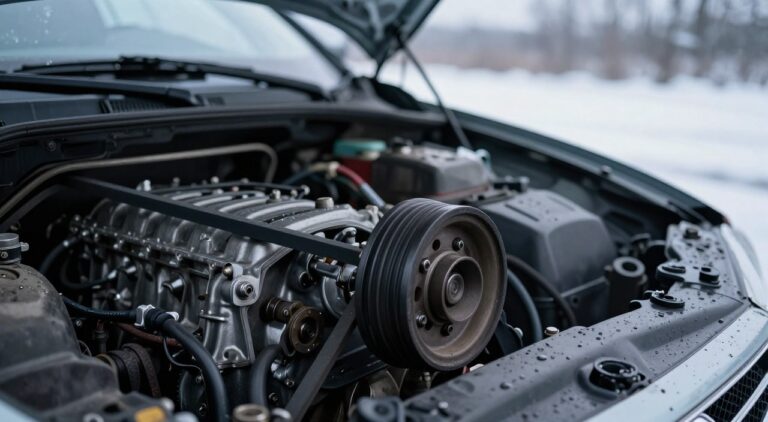
I know how annoying it is to hear strange noises from your car. I recently heard a chirp sound when releasing clutch pedals. At first, I ignored it, but then I realized it was a warning.
Spotting these signs early is essential to avoid big problems. Some noises are just a minor bother. But others mean serious wear that needs quick help from a pro.
In this guide, I’ll show you why this happens. My aim is to help you fix these issues before they cost a lot.
Key Takeaways
- Early detection of transmission noises prevents expensive future repairs.
- Minor squeaks can sometimes indicate failing throw-out bearings.
- Ignoring mechanical warnings often leads to complete system failure.
- Proper diagnosis saves time and reduces overall maintenance costs.
- Regular inspections help maintain the longevity of your vehicle’s drivetrain.
Understanding the Mechanics of Your Clutch System
Before we talk about fixing things, let’s learn about your clutch. It connects your engine to the transmission. This lets you change gears easily. If you hear a car clutch noise, it means something is not working right.

How the Clutch Assembly Functions
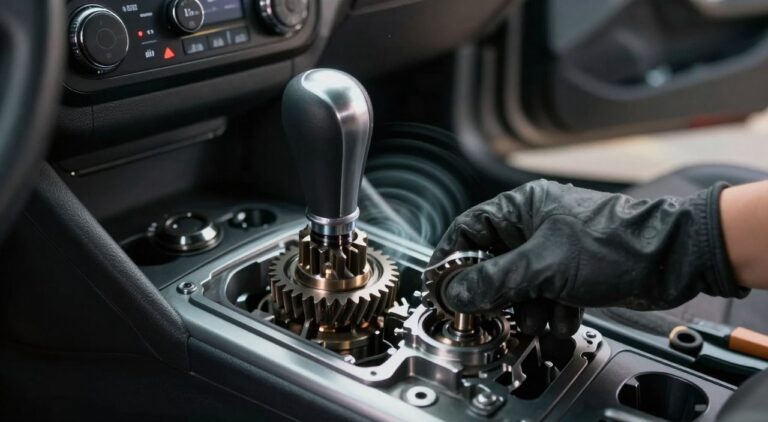
The clutch has three key parts: the pressure plate, the clutch disc, and the release bearing. When your foot is off the pedal, the pressure plate holds the clutch disc against the engine flywheel. This firm connection lets power go from the engine to the transmission.
When you press the pedal, the release bearing pushes the pressure plate. This lets the disc spin freely. It’s a dance of metal parts that needs oil to work without car clutch noise.
Identifying the Source of the Chirp
Most chirping sounds come from the bell housing. These parts move a lot to stay quiet. If they get dry or worn, they make a high-pitched sound.
| Component | Primary Function | Common Noise Issue |
|---|---|---|
| Release Bearing | Engages/Disengages clutch | Chirping when pedal moves |
| Clutch Disc | Transfers engine torque | Squealing or grinding |
| Pressure Plate | Provides clamping force | Rattling or clicking |
| Pilot Bearing | Supports input shaft | High-pitched car clutch noise |
Common Causes for a Chirp Sound When Releasing Clutch
When you hear a chirp sound when releasing clutch, it’s a sign of trouble. It means something mechanical in your car is not working right. Knowing what’s wrong helps you fix it before it gets worse.

Worn Release Bearing Issues
The release bearing helps your car shift smoothly. But if it gets dry or leaks, it can’t spin right. This makes a grinding sensation when it presses against other parts.
Pilot Bearing Friction and Wear
The pilot bearing helps the transmission shaft move. If it wears out or gets dry, you’ll hear a chirp sound when releasing clutch. This is because it can’t move smoothly anymore.
Clutch Fork Pivot Point Dryness
The clutch fork helps the release bearing move. If the pivot point gets dry or corroded, it won’t move well. This makes a chirp sound when releasing clutch every time you press the pedal.
| Component | Primary Symptom | Cause of Noise |
|---|---|---|
| Release Bearing | Grinding or chirping | Loss of internal grease |
| Pilot Bearing | High-pitched chirp | Friction under load |
| Clutch Fork | Squeaking or chirping | Lack of pivot lubrication |
| Pressure Plate | Metallic rattle | Worn contact fingers |
Safety Precautions Before You Begin Repairs
Before I start any work on my car, safety is my top priority. Working under a car is risky, with big parts like the transmission. I make sure my area is safe to protect me while I work.

Essential Personal Protective Equipment
I always wear the right gear for maintenance. The right equipment keeps me safe from dangers like falling parts and spills.
Here’s what I always have ready:
- Safety glasses: They protect my eyes from dirt and chemicals.
- Mechanic gloves: They help me grip and protect my hands.
- Long-sleeved clothing: It keeps my skin safe from hot parts and oil.
Securing the Vehicle Properly
Stabilizing the car is key before I get under it. I don’t just use a jack. I follow a strict plan to keep the car still.
Here’s how I keep the car stable:
- Level ground: I park on a flat surface to avoid the car moving.
- Jack stands: I use heavy stands under the car and make sure they’re locked.
- Battery disconnection: I disconnect the battery to avoid electrical problems.
«Safety is not just a suggestion; it is the foundation of every successful repair. Never compromise on your protection when working under a vehicle.»
Step One: Diagnosing the Clutch Pedal Chirping
The annoying clutch pedal chirping sounds often come from dry parts inside the car. Before worrying about your transmission, check the parts under your dashboard first.

Troubleshooting clutch chirping means finding the problem quickly. Starting with the inside parts can fix the issue fast. You might just need some lubricant, not a big repair.
Testing the Pedal Return Spring
The pedal return spring pulls the pedal back when you let go. It can make a noise over time because of wear.
Try moving the pedal by hand and listen. If it sounds off, a bit of high-quality silicone lubricant should fix it.
Checking the Clutch Master Cylinder Linkage
The linkage between your pedal and the clutch master cylinder can also make noise. It has moving parts that need oil to work right.
If these parts get dry or off, you’ll hear a clutch pedal chirping sound. Look for wear or rust on the clevis pin and rod. Make sure they’re well-lubricated and aligned for a quiet pedal.
Step Two: Inspecting the Clutch Release Bearing
A common problem is the clutch release bearing. It helps the clutch disc move away from the flywheel. When it wears out, you’ll hear a clutch release noise that changes with pedal pressure.
Symptoms of a Failing Release Bearing
A grinding or chirping sound when pressing the clutch pedal is a sign. If the sound goes away when the pedal is up, the bearing is the problem. You might also feel a strange vibration or resistance through the pedal.
Ignoring these signs can cause more damage. The bearing might seize, making the clutch not work right. Early detection helps avoid expensive repairs.
Visual Inspection Techniques
After removing the cover, you can see the bearing. Use a bright light to look for heat discoloration. This looks like a blue or dark tint on the metal.
Also, check if the bearing moves too much. If it feels loose or sounds gritty when you move it, it needs to be replaced. Here’s how a healthy and failing bearing differ.
| Feature | Healthy Bearing | Failing Bearing |
|---|---|---|
| Surface Color | Bright, uniform steel | Blue or burnt discoloration |
| Movement | Smooth rotation | Gritty or binding feel |
| Clutch release noise | Silent operation | Audible chirp or grind |
| Play | Minimal, firm fit | Excessive, loose movement |
Step Three: Lubricating the Clutch Fork Pivot
Fixing a clutch issue squeaking is easy. Just add fresh grease to the pivot point. Many think it’s a big problem, but it’s often just a lack of grease. Proper maintenance can prevent costly repairs.
Accessing the Clutch Fork
To get to the pivot point, find the inspection port on your bell housing. This small opening lets you see inside without taking out the whole transmission. Use a long-reach brush or a special tool to get to the spot.
«Regular lubrication of high-friction points is the secret to a long-lasting and quiet clutch assembly.»
Choosing the Right High-Temperature Grease
Choosing the right grease is key because the clutch gets very hot. Normal grease will melt and run off. This can cause clutch issue squeaking again or mess up your clutch disc. Always pick a high-temperature, heavy-duty synthetic grease made for cars.
Here are some best practices for applying grease:
- Apply sparingly: Use just a little to avoid getting grease on the clutch disc.
- Target the pivot: Only put grease on the metal-to-metal contact point of the fork.
- Check for debris: Remove old, hard grease before adding new grease.
By doing these steps, you can stop that annoying clutch issue squeaking. This keeps your car running smoothly. Taking care of your car this way keeps it reliable on the road.
Step Four: Addressing Pilot Bearing and Bushing Noise
When your car makes a clutch issue squeaking sound, it might be the pilot bearing. This small part helps the transmission shaft stay in place.
If the bearing gets worn or dry, it rubs against the shaft. This rubbing makes a loud squeal, mostly when you start to use the clutch.
Why Pilot Bearings Chirp Under Load
The pilot bearing gets stressed when the transmission and engine shafts move at different speeds. This stress is highest when you first press the clutch.
If the bearing is old, it can’t move smoothly. This causes metal to rub against metal, making a clutch issue squeaking sound. This is a sign that the bearing needs fixing to avoid damage to the shaft.
Determining if Transmission Removal is Necessary
Getting to the pilot bearing is hard work. It’s inside the crankshaft, so you need to take out the transmission to fix it.
Do a detailed check before starting this big job. If the noise only happens when you press the clutch a bit, it’s probably the pilot bearing.
| Symptom | Likely Component | Repair Difficulty |
|---|---|---|
| Chirp at idle (pedal up) | Input Shaft Bearing | High |
| Chirp during engagement | Pilot Bearing | High |
| Squeal when pedal pressed | Release Bearing | Medium |
| Clicking when pedal moves | Clutch Linkage | Low |
If you’re not sure about removing the transmission, get a pro to do it. Trying to fix it yourself can hurt your car’s parts.
Step Five: Evaluating Clutch Slipping Noise and Engagement
Drivers often mix up simple chirps with the serious clutch slipping noise. When you press the pedal, the clutch engagement sound should be smooth. If it’s not, you need to act fast to avoid damage.
Differentiating Between Chirps and Squeals
A light chirp might mean a dry pivot point or a small bearing issue. But a high-pitched squeal or grinding sound during engagement is a big problem. Listen to see if the noise happens only when the pedal moves or when the clutch is under load.
«The sound of your vehicle is its primary way of communicating mechanical distress; ignoring a persistent squeal during engagement is a gamble with your transmission’s longevity.»
— Automotive Maintenance Expert
Checking for Glazed Clutch Discs
Glazed clutch discs happen when the friction material gets too hot. This can be from «riding the clutch» or driving too hard. You might hear a clutch slipping noise when you try to speed up.
If your car feels slow or the engine RPMs go up but speed doesn’t, your disc is glazed. You’ll need a pro to check if it can be cleaned or if you need a new one.
| Sound Type | Likely Cause | Severity |
|---|---|---|
| Light Chirp | Dry Pivot Point | Low |
| Constant Squeal | Release Bearing | Medium |
| Clutch Slipping Noise | Glazed Disc | High |
| Grinding | Worn Pressure Plate | Critical |
Step Six: Troubleshooting Gearbox Chirping Sound
A gearbox chirping sound might come from inside the transmission, not just the clutch. If your outside parts look good, the problem is likely inside. Finding these noises needs a careful check to avoid missing any damage.
Input Shaft Bearing Considerations
The input shaft bearing can make a clutch release noise. When it starts to wear out, it chirps or whines. This sound gets louder when you move the clutch.
Listen to see if the sound happens in neutral or when in gear. If it’s there when the car is still but the clutch is up, it’s probably the bearing. Catching this early can stop bigger problems with your transmission.
Fluid Levels and Internal Gearbox Wear
Transmission fluid keeps things cool and moving. Low fluid means less lubrication, which can cause a gearbox chirping sound. Old or dirty fluid wears down parts faster.
To keep your transmission running well, do these things:
- Check your transmission fluid level often to make sure it’s right.
- Look for metal shavings in the fluid, which mean internal gearbox wear.
- Change the transmission fluid as your car’s manual says to keep things smooth.
- Notice if the sound changes when you shift gears. This means the fluid isn’t doing its job.
Fixing these inside problems is key when you can’t find the clutch release noise outside. Clean transmission fluid and watch for bearing wear to keep your car running long and save on repairs.
When to Seek Professional Mechanical Assistance
Knowing when to stop using your tools is as important as knowing how to use them. I like to do my own car work, but sometimes my car needs a pro. Troubleshooting clutch chirping can show problems that need special tools found in repair shops.
Recognizing Complex Transmission Failures
Some car problems are more than just oil or small fixes. If you hear grinding gears or smell burning, it might be serious. These big problems need a pro to fix, as they involve taking apart the gearbox.
Don’t try to fix a transmission without the right tools. It’s very dangerous and can hurt you badly. A pro will make sure it’s fixed right the first time.
The Risks of Ignoring Clutch Problems Chirping Sound
It’s easy to ignore a small noise, but a clutch problems chirping sound is a warning. Driving with this noise can cause big problems. A small noise can turn into a big failure.
Ignoring clutch problems chirping sound can cost a lot more later. Fixing it early can save your car from bigger damage. If you’re not sure, get a mechanic to help. This can save you money and trouble.
| Repair Type | DIY Feasibility | Professional Requirement |
|---|---|---|
| External Lubrication | High | Low |
| Pedal Adjustment | High | Low |
| Internal Bearing Replacement | Low | High |
| Transmission Overhaul | Very Low | Essential |
Preventative Maintenance for a Smooth Clutch
Keeping your clutch smooth needs regular effort. By fixing small problems early, you avoid big repairs. This keeps your car quiet and reliable for a long time.
Driving Habits That Extend Clutch Life
Your driving style affects your clutch’s life. Don’t rest your foot on the pedal while driving. This causes friction and heat. Always remove your foot completely from the pedal after shifting gears.
Don’t «ride the clutch» at lights or steep hills. Shift to neutral and use the parking brake. These steps reduce wear and keep car clutch noise low.
«An ounce of prevention is worth a pound of cure when it comes to the complex mechanics of a manual transmission.»
Regular Inspection Schedules
Regular checks are key to spotting problems early. Check your clutch fluid and linkage for dryness or corrosion with each oil change. If you hear odd car clutch noise, fix it right away.
Here are some maintenance tips:
- Listen closely for grinding or chirping sounds when shifting gears.
- Check the clutch pedal for any changes in resistance or «sponginess.»
- Look under your car for hydraulic fluid leaks.
By following these tips, you save money and enjoy smoother driving. Consistency is the key to avoiding costly repairs and keeping your car running well for years.
Conclusion
Fixing a chirp sound when you release the clutch takes patience. I showed you how to find and fix these sounds. This way, you can make your car run better and last longer.
Looking after your car’s parts stops small problems from getting big. Use good oil and check your car often. This keeps your clutch working great. I hope you use these tips to drive quietly and smoothly.
Being safe is the most important thing when fixing your car. Wear the right gear and use stands to protect yourself. Know what you can do and when to ask for help. If you’re not sure, get a pro from AAMCO or a local dealer.
I hope this guide helps you feel confident in fixing your car. Knowing how your car works means better driving and a car that lasts. Be precise and enjoy fixing your car.
FAQ
Why do I hear a persistent chirp sound when releasing clutch during gear changes?
A chirp sound when releasing the clutch often means a worn release bearing. This is also known as a throw-out bearing. When you release the pedal, these parts move against each other. If they’re dry or failing, you’ll hear a high-pitched noise.Spotting this noise early is key. Ignoring it can cause the pressure plate fingers to fail completely.
How can I tell if my clutch pedal chirping is coming from inside the cabin or the transmission?
I start by checking the pedal inside the car. If the sound is near your feet, it might be a dry pedal return spring. Or maybe the clutch master cylinder linkage needs lubrication.Try applying white lithium grease to these points. If the sound is still there, it’s likely in the transmission’s bell housing.
Is a clutch issue squeaking the same thing as a clutch slipping noise?
No, they’re not the same. Squeaking usually means mechanical friction. But slipping noise sounds like «whirring» or «grinding» and means power loss.If engine RPMs go up but speed doesn’t, your clutch disc is worn. Knowing the difference helps decide if you need a fix or a new clutch kit.
What should I do if I suspect a gearbox chirping sound instead of a clutch problem?
If the noise happens while driving in gear, it might be the gearbox. This could be due to a failing input shaft bearing or low fluid levels.Check the transmission fluid for metal shavings. If the sound changes with engine speed, it’s the gearbox.
Can I fix a clutch release noise by simply lubricating the system?
Sometimes, yes. A dry clutch fork can be fixed with high-temperature grease. But if it’s the pilot bearing or release bearing, you need to replace it.Ignoring this can lead to a total failure.
Are there specific driving habits that cause a clutch problems chirping sound?
Yes. Riding the clutch is a big no-no. It wears out the release bearing and causes heat. To avoid this, keep your foot on the dead pedal when not shifting.
When is it time to stop DIY repairs and seek professional help for a chirp sound when releasing clutch?
If lubricating and checking the pedal doesn’t fix it, get a pro. Replacing parts like a pilot bearing needs a lot of work. Without the right tools, it’s dangerous and can damage the gearbox.