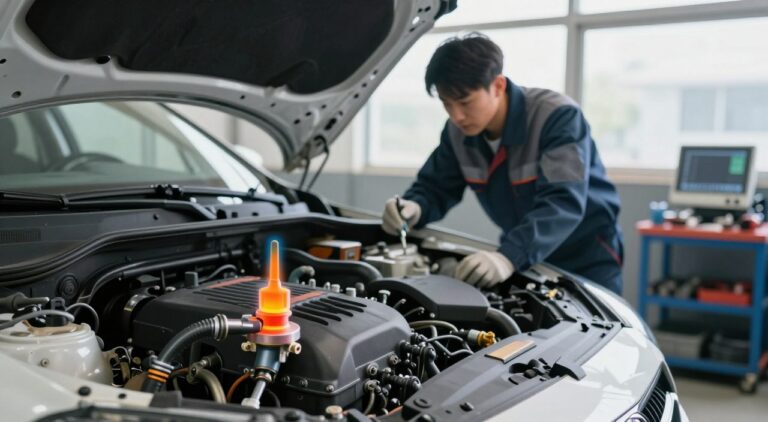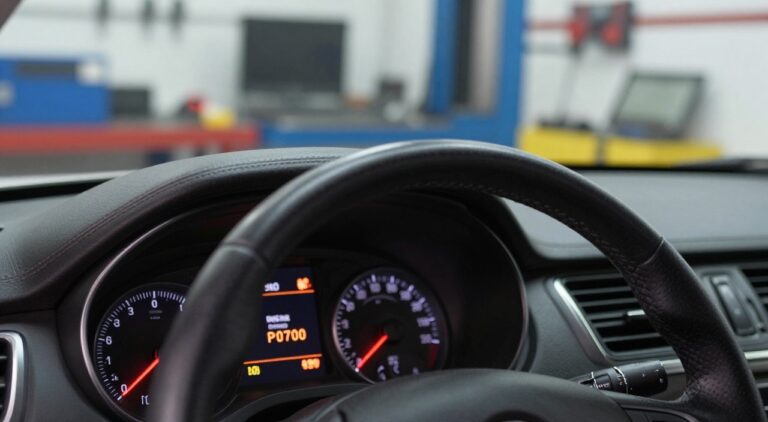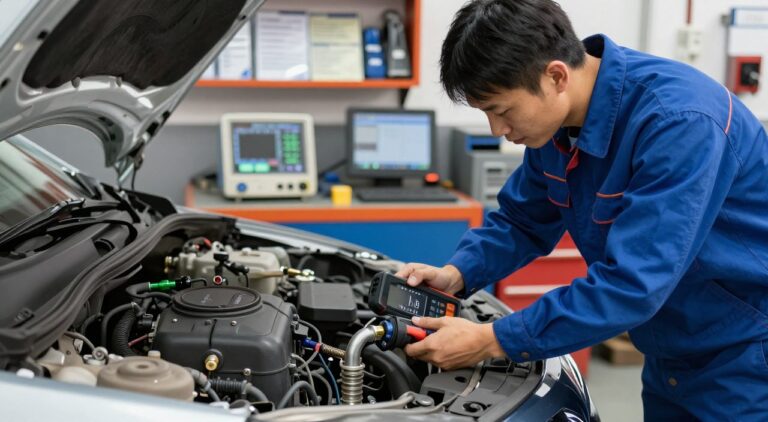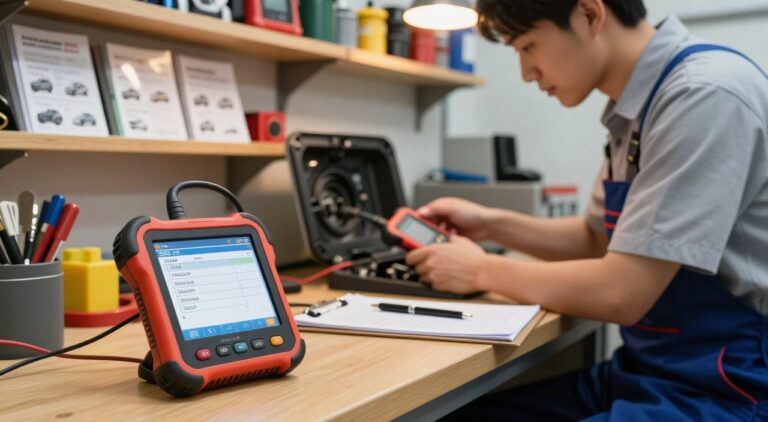
P0302 Cylinder 2 Misfire Fix Step-by-Step Solutions
Seeing a check engine light is stressful. It means your engine has trouble burning fuel in one spot. This guide will help you fix the P0302 cylinder 2 misfire by yourself.
Fixing these engine problems fast is very important. If you ignore it, your car could get worse and cost a lot to fix. By acting now, you keep your engine healthy and fuel efficient.
I want to make fixing your car easy for everyone. A systematic approach is best to fix your car. Follow these steps to find and fix the problem and make your car run well again.
Understanding the P0302 Error Code
Looking for a p0302 error code solution? First, know what it means. This code means your engine’s second cylinder isn’t burning fuel right.
What a Cylinder 2 Misfire Means for Your Engine
A misfire happens when fuel doesn’t light up in a cylinder. This is true for cylinder 2. Your engine then doesn’t run as well, feeling shaky or vibrating.

This makes other cylinders work harder. This can wear them out faster. Fixing the p0302 error code quickly helps your engine last longer.
Common Symptoms I Look For When the Check Engine Light Flashes
I look for signs like a rough idle and hesitation when you press the gas. You’ll also notice less power in your car.
| Symptom | Severity | Impact |
|---|---|---|
| Rough Idling | Moderate | Increased vibration |
| Acceleration Hesitation | High | Loss of power |
| Flashing Check Engine Light | Critical | Immediate damage risk |
Why Ignoring a Misfire Can Lead to Costly Catalytic Converter Damage
Ignoring a misfire can cost you a lot. Unburned fuel goes into the exhaust system. This can make the catalytic converter very hot.
«Neglecting a simple ignition fault often turns a minor repair into a major financial burden by destroying expensive exhaust components.»
— Automotive Diagnostic Expert
This heat can damage the converter. Replacing it is very expensive. Fixing the problem early can save you money.
Essential Tools for Cylinder 2 Misfire Troubleshooting
Fixing a cylinder 2 misfire needs the right tools. Without them, you’re just guessing. A few key tools will save you time and headaches.

Selecting the Right OBD-II Scanner for Accurate Diagnosis
A good OBD-II scanner is key for any DIY mechanic. Choose one that shows live data streams and freeze-frame info. This lets you see what the engine was doing when it misfired.
Find a scanner that shows graphs, not just error codes. This detail is crucial for fixing cylinder 2 misfire problems. It helps you find the real cause of the issue.
Safety Gear and Basic Hand Tools I Keep in My Garage
Before starting, make sure your workspace is safe and clean. I always wear heat-resistant gloves and eye protection. This keeps me safe from hot parts and splashes.
I have a set of metric sockets, a spark plug socket, and a torque wrench. These tools save me trips to the store. A clean, well-lit area is as important as the tools.
Using a Multimeter to Test Ignition Components
A digital multimeter is great for checking electrical signals. I use it to see if the ignition coil on cylinder 2 gets the correct voltage. If it doesn’t, the problem is with the wiring.
With the multimeter, I also check the ignition coils’ resistance. Comparing these to the specs helps find a bad part. This simple test often solves the problem.
Performing a Systematic P0302 Cylinder 2 Misfire Fix
When your engine light comes on, fixing the P0302 cylinder 2 misfire is smart. It saves time and money. Start with a plan to avoid replacing parts that work.
By following a logical sequence, you find the exact problem. This way, you don’t guess.

Step One: Verifying the Misfire with an OBD-II Scanner
First, I connect my OBD-II scanner to the car’s port. I look for misfire counts for each cylinder. This shows the problem is in cylinder two.
If the scanner shows a lot of misfires in cylinder two, I know where to start. This step is key when learning how to fix p0302 code. It helps avoid wasting time on the wrong parts.
Step Two: Inspecting the Ignition Coil on Cylinder 2
After confirming the misfire, I check the ignition coil. I remove the coil pack to look for damage or wear. A damaged boot can cause problems.
«Proper maintenance is the silent partner of engine longevity; ignoring small signs today leads to major repairs tomorrow.»
I also use a multimeter to check the coil’s resistance. If it’s off, the coil might be bad. Here’s a table to help spot common problems.
| Component | Visual Sign | Performance Impact |
|---|---|---|
| Ignition Coil | Cracked Housing | Weak Spark |
| Spark Plug | Heavy Carbon | Poor Combustion |
| Wiring Harness | Frayed Insulation | Intermittent Signal |
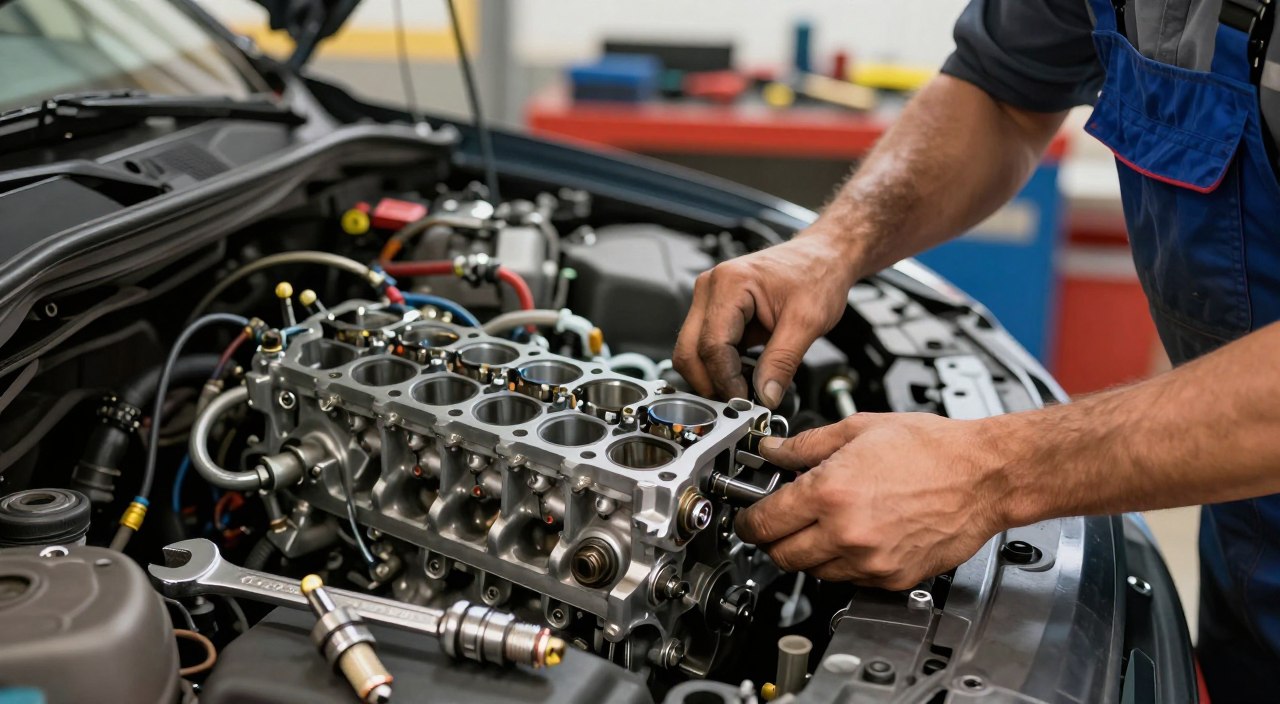
Step Three: Examining the Spark Plug for Signs of Wear or Fouling
The last step is to check the spark plug from cylinder two. Look for excessive carbon buildup or oil fouling. These can stop the plug from working right.
If the plug looks good but the gap is off, adjust it. Replacing a fouled plug is often the easiest P0302 cylinder 2 misfire fix. Make sure the threads are clean before putting in a new plug.
Advanced Diagnostic Techniques for Persistent Misfires
If you keep getting a misfire, these advanced methods can help find the problem. When simple fixes don’t work, I use these steps to check the engine’s health. Resolving cylinder 2 misfire needs a careful approach to avoid buying the wrong parts.

Swapping Components to Isolate the Faulty Part
The «swap test» is my top choice to find a faulty part. I move the ignition coil from cylinder 2 to a good one, like cylinder 4. If the misfire code shows up there, the coil is the problem.
- Mark the original position of the ignition coil clearly.
- Clear the diagnostic codes using your scanner.
- Run the engine until the check engine light returns to verify the shift.
Checking Fuel Injector Functionality for Cylinder 2
At times, the ignition system is okay, but fuel delivery is off. I use a noid light to check the fuel injector’s electrical pulse. If the light doesn’t flash, it might be a wire or engine control module issue.
If the electrical signal is strong, the injector might be clogged or stuck. Resolving cylinder 2 misfire here often means cleaning or replacing the injector to fix fuel flow.
Performing a Compression Test to Rule Out Internal Engine Damage
When ignition and fuel parts are fine, I do a compression test. This checks the engine’s inside. Low compression in cylinder 2 can mean serious engine problems that can’t be fixed by just replacing parts. These problems might include:
- Worn piston rings letting pressure out.
- Burnt or damaged valves not sealing right.
- A blown head gasket between cylinders.
Consistency is key in this test. I always compare cylinder 2’s results with the others to spot big differences. If compression is way lower, it’s likely a major engine problem that needs a pro to fix.
Addressing Ignition System Failures
Ignition system failures often cause cylinder 2 misfires. When I’m fixing misfire on cylinder 2, I check the spark-making parts. A weak spark can hurt engine performance.
Replacing Spark Plugs and Ensuring Correct Gap Specifications
The spark plug is key in ignition. I use a feeler gauge to check the plug gap. The gap must match the exact specifications from the car maker. A wrong gap can cause incomplete burning and a check engine light.
When putting in new plugs, I make sure they’re tightened right. Too tight can harm the threads, too loose can make the plug vibrate. Getting it right is crucial for fixing misfire on cylinder 2.
Testing and Replacing Ignition Coils or Coil-on-Plug Boots
Modern cars have coils right on the spark plug. The rubber boot connecting them can get old and crack. This lets electricity arc to the cylinder head instead of firing the plug.
If I see carbon or white streaks on the boot, it’s time to change it. Replacing the boot or coil fixes the problem fast. Make sure the electrical connector clicks in well for a solid connection.
Inspecting Wiring Harnesses for Corrosion or Breaks
Even with new parts, a bad signal can stop the ignition system. I check the wiring to cylinder 2 for damage or frayed insulation. Corrosion in the connector pins is another problem I look for.
If the wires look bad, I use a multimeter to check for breaks. A broken wire or corroded pin can stop the signal. Keeping these connections clean and tight is key for engine health.
Resolving Fuel Delivery and Air Intake Issues
If the spark is strong but the engine still stumbles, the issue often hides within the fuel or air intake systems. These components are key for smooth combustion. When one cylinder gets too little fuel or too much air, the engine management system struggles. This leads to a noticeable misfire.
Cleaning or Replacing a Clogged Fuel Injector
A clogged fuel injector is a common culprit when a single cylinder misfires. If the injector nozzle is blocked by carbon deposits, it can’t spray the right amount of fuel. I use a fuel pressure gauge to check if the injector is working right.
If the flow is blocked, I try to clean the injector with special additives or an ultrasonic cleaning kit. But if the internal solenoid is broken, replacing the injector is the only good fix. Making sure the O-rings fit right during installation is key to avoid leaks.
Checking for Vacuum Leaks Near the Intake Manifold
Vacuum leaks near the intake manifold often cause a lean misfire condition, where too much air enters the cylinder. I look for cracks or dry rot in all rubber vacuum lines. I also listen for a hissing sound while the engine is idling, which often means a leak.
Proper combustion relies entirely on the precise ratio of air to fuel; even a minor vacuum leak can disrupt the delicate balance required for a smooth idle.
— Automotive Diagnostic Manual
If I suspect a leak but can’t hear it, I use a smoke machine to find it. Once found, I replace the damaged gasket or hose right away to fix the air-fuel mixture.
Evaluating Fuel Pressure Regulator Performance
The fuel pressure regulator makes sure the injectors get the right amount of fuel, no matter the engine load. If it fails, fuel pressure can drop, causing a lean condition in the affected cylinder. I watch the fuel rail pressure while the engine is running to make sure it’s right.
If the pressure goes up and down a lot or is too low, the regulator needs to be replaced. Keeping the fuel system clean helps prevent these parts from failing early.
| Component | Common Symptom | Diagnostic Method |
|---|---|---|
| Fuel Injector | Rough Idle | Flow Rate Test |
| Intake Gasket | Hissing Sound | Smoke Test |
| Pressure Regulator | Hard Starting | Pressure Gauge |
Tips for Repairing P0302 Code on Specific Vehicle Types
Knowing your engine is key to fixing the tips for repairing p0302 code. The main problem is a misfire in cylinder 2. But, the real cause can change based on the car’s design. Adjusting your checks to fit these differences can save time and avoid wrong part swaps.
Handling Misfires in High-Mileage Domestic Sedans
Older domestic sedans often have worn-out rubber parts. Heat makes vacuum hoses and intake gaskets crack. These leaks can make one cylinder run lean, causing the P0302 error.
First, check all vacuum lines near the intake manifold. Replacing these parts can fix the problem without touching the ignition system. Many DIYers miss this simple step.
Special Considerations for Turbocharged Engines
Turbocharged engines face more stress than regular ones. The high boost pressure makes the ignition system work harder. A small spark plug gap can lead to a blown spark and misfire.
Heat is also a big issue with turbochargers. They can damage ignition coils and wiring insulation. When fixing a P0302 code on these engines, check the coil-on-plug boots for heat damage.
When to Seek Professional Help for Complex Electrical Gremlins
Some problems are deep in the engine control unit (ECU) or wiring. If you’ve tried everything and the code still shows, it might be an electrical issue. You’ll need advanced tools to diagnose this.
If you think it’s a faulty ECU driver or wiring short, get a pro. Trying to fix it without the right tools can cause more harm. Knowing when to ask for help is as important as knowing how to fix things.
| Vehicle Type | Primary Focus Area | Common Failure Point |
|---|---|---|
| High-Mileage Sedan | Vacuum System | Brittle intake gaskets |
| Turbocharged Engine | Ignition Stability | Spark plug gap/Heat damage |
| Modern Luxury Vehicle | Electrical/ECU | Wiring harness shorts |
Post-Repair Procedures and Clearing the Error Code
Fixing the car is just the start. I do extra checks to make sure the car’s computer knows about the new parts. This makes me sure the car is safe to drive.
Clearing the Diagnostic Trouble Code with Your Scanner
After putting in new parts, I use my OBD-II scanner to clear fault codes. It’s essential to clear the memory. This lets the engine control unit start fresh.
This action turns off the «Check Engine» light. It also lets the system start a new check cycle.
Performing a Drive Cycle to Ensure the Fix Holds
Then, I drive the car in a special way to reset monitors. Most cars need a mix of city and highway driving. This checks if all sensors are working right.
If the light stays off, I know the fix worked.
Monitoring Long-Term Fuel Trim Data for Engine Health
I also watch the long-term fuel trim data with my scanner. This data shows if the engine is still trying to adjust. If the numbers get back to normal, it means the engine has successfully adapted to the new parts.
This is the last step to make sure the repair is permanent.
| Verification Step | Action Required | Expected Outcome |
|---|---|---|
| Clear Codes | Use OBD-II Scanner | Light turns off |
| Drive Cycle | Vary speed and load | Monitors set to ready |
| Fuel Trim Check | Observe live data | Values near zero |
Conclusion
Fixing a P0302 error code needs a careful plan to get your car running well again. Keeping things organized saves time and money. By doing the steps yourself, you learn a lot about your engine.
Make sure to keep up with regular car service to avoid future problems. This keeps your car running smoothly. It also helps you catch small issues before they become big ones.
Being patient is key when dealing with car repairs. Using good tools from brands like Bosch or Snap-on helps a lot. You can take care of your car with the right tools and knowledge. If you get stuck, don’t hesitate to ask for help from car communities or forums.
FAQ
What exactly does a P0302 error code indicate regarding my engine’s health?
A P0302 code means your engine’s computer found misfires in cylinder 2. This is bad news for your car’s power and how clean it runs. It’s like a warning light for your engine.
How to fix p0302 code symptoms like rough idling and hesitation?
First, check the ignition coil and spark plug for cylinder 2. Swapping the coil might fix it. If not, look at the spark plug for problems.
Can a faulty fuel injector be the reason for addressing p0302 issue alerts?
Yes, a bad fuel injector can cause problems. Use a multimeter to check it. Or, do a balance test to see if it’s working right.
Is it safe to continue driving while I am performing cylinder 2 misfire troubleshooting?
No, don’t drive with a misfire. It can damage your car’s exhaust system. Fixing the problem now saves you money later.
What are some professional tips for repairing p0302 code issues that won’t go away?
For tough problems, try a compression test or leak-down test. These tests can find hidden damage. Also, check for vacuum leaks around the intake manifold.
How do I ensure the p0302 cylinder 2 misfire fix is permanent?
After fixing parts, clear the code with your tool. Then, drive the car to test it. Watch the fuel trims and misfire counters to make sure everything is okay.